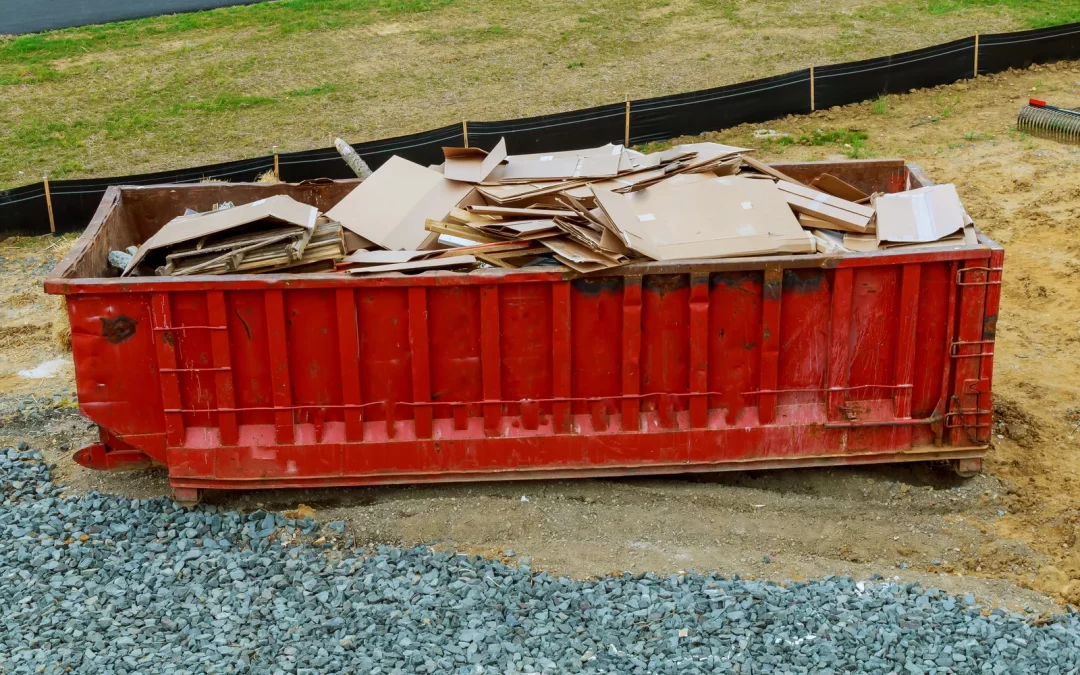
Bin rental services have become an essential solution for homeowners, businesses, and contractors who need a reliable way to manage waste. Whether you’re doing a home renovation, yard cleanup, or handling construction debris, a rental bin can simplify the process by giving you one central place to dispose of unwanted materials.
But before renting, it’s important to understand what items are accepted in bin rentals. Not everything can go inside a bin, as certain materials are restricted by local regulations, safety concerns, or recycling requirements. This guide will help residents know exactly what they can (and cannot) toss into a rental bin.
General Household Waste
For day-to-day cleanup projects or larger decluttering tasks, most general household items are accepted in bin rentals. These include:
- Furniture (couches, tables, chairs, mattresses in some cases)
- Old clothing, toys, and other non-hazardous personal items
- Household décor, carpets, and small appliances
- Non-recyclable plastics and packaging
When working with Bin Rental Services Richmond, residents can easily manage household junk removal in a safe and environmentally responsible way.
Yard Waste
Richmond’s beautiful green spaces mean many residents regularly deal with garden waste. Most bin rentals accept:
- Grass clippings
- Leaves and branches
- Shrubs, hedge trimmings, and small tree stumps
- Soil, sod, and other organic matter (in specific bins depending on the provider)
Yard waste is often taken to recycling or composting facilities, helping to reduce landfill use. Always check with your bin provider, as some may require green waste to be separated from general garbage.
Renovation and Construction Debris
One of the most common uses for bin rentals is during home improvement projects. Accepted materials usually include:
- Drywall (must be tested or asbestos-free)
- Wood and lumber scraps
- Flooring materials such as tile, vinyl, or laminate
- Roofing shingles
- Insulation (non-hazardous)
- Concrete, bricks, and asphalt
Since construction materials can be heavy, bin rental companies often provide specific container sizes for debris to ensure safety during hauling.
Appliances and Electronics
Some bins allow small appliances such as toasters, microwaves, or fans. Larger appliances (fridges, stoves, washers) may be accepted but usually require advance notice. Electronics like TVs, computers, and printers are often recyclable but cannot always go into regular bins due to environmental regulations. Residents may need to arrange a separate drop-off or request a specialized bin for e-waste.
Metals and Recyclables
Many items made of metal, such as pipes, fixtures, or siding, are accepted in dumpster rentals. Metals are often separated and sent to recycling facilities where they can be reused. Cardboard, paper, and certain plastics are also allowed, though some companies prefer these items to be set aside for dedicated recycling.
Restricted or Prohibited Items
It’s equally important to know what cannot go into a rental . Commonly restricted materials include:
- Hazardous waste (paint, solvents, oils, chemicals)
- Asbestos-containing materials
- Batteries
- Tires
- Medical or biohazard waste
- Propane tanks and fuel containers
In such cases, you’ll need specialized services for Hazardous Waste Disposal Richmond, ensuring dangerous materials are handled safely and legally.
Household Hazardous Waste
Items like old paints, pesticides, cleaning products, and automotive fluids cannot be tossed in a standard dumpster. These fall under Household Hazardous Waste Disposal Richmond regulations, which require them to be dropped at specific depots or collected through specialized services. Disposing of these properly helps keep the environment safe and prevents harmful chemicals from entering landfills.
Tips for Maximizing Your Bin Rental
- Sort items beforehand – Separate recyclables, yard waste, and general junk to save space and possibly reduce costs.
- Know the weight limits – Overloading a dumpster with heavy materials like concrete may lead to additional fees.
- Check local bylaws – Richmond has specific disposal regulations, so always confirm with your provider.
- Plan the rental period – Schedule delivery and pickup around your project timeline to avoid rush charges.
- Ask about specialty bins – Some providers offer a separate dumpster for drywall, yard waste, or metals.
Bin Rentals: Convenient Waste Solutions
For residents handling big cleanups, home renovations, or yard projects, dumpster rentals are a convenient and efficient option. They save time, reduce trips to the landfill, and ensure waste is disposed of responsibly.
Local companies, like Canadian Empire Recycling, provide dumpster rental services that accept a wide range of materials while guiding customers on what can and cannot be included. Working with professionals ensures your waste management project is smooth, eco-friendly, and compliant with city regulations.
Bin rentals are a versatile solution for residents tackling projects large and small. From household junk and yard trimmings to construction debris and recyclable metals, most items can be disposed of safely and efficiently in a rental dumpster. By knowing what’s accepted and which items are prohibited, you can avoid unnecessary fees, ensure proper recycling, and make your cleanup project stress-free.
If you’re planning a project, contact Canadian Empire Recycling for reliable dumpster rental services. Their team can recommend the right bin size, explain what’s allowed, and help you manage your waste responsibly.