Construction projects generate more than concrete, wood, and metal. Hidden waste streams—such as contaminated packaging, mixed debris, treated materials, insulation, adhesives, and damaged products—often go unnoticed until they increase recycling costs and reduce operational efficiency. For contractors, property managers, and commercial businesses, these overlooked materials can turn a recyclable load into an expensive disposal problem.
Businesses investing in the Commercial Waste Recycling Port Coquitlam can significantly improve recycling outcomes by identifying hidden waste before it reaches the collection stage. A proactive recycling strategy not only reduces costs but also supports environmental compliance and sustainable construction practices.
Why Hidden Construction Waste Is Often Missed
Most construction sites focus on large, visible materials like lumber, drywall, and concrete. However, smaller waste streams are frequently mixed into recycling bins without proper sorting.
Examples include:
- Plastic wrapping and shrink film
- Contaminated cardboard
- Adhesives and sealant containers
- Insulation offcuts
- Treated or painted wood
- Damaged packaging
- Mixed fasteners and hardware
Although these items appear insignificant individually, together they can reduce the value of recyclable materials and increase processing costs.
Mixed Waste Creates Expensive Recycling Challenges
One contaminated container can affect an entire load.
When recyclable materials are mixed with non-recyclable or hazardous items, recycling facilities often need additional sorting, specialized handling, or even rejection of the load altogether.
This results in:
- Higher processing fees
- Additional transportation costs
- Delayed project timelines
- Reduced recycling efficiency
Businesses using professional Commercial Waste Recycling Port Coquitlam services benefit from proper waste segregation before materials leave the site.
Waste Planning Should Start Before Construction Begins
Successful recycling starts during project planning—not after demolition or construction is complete.
An effective waste management plan should identify:
- Expected waste materials
- Dedicated recycling containers
- Collection schedules
- Material separation procedures
- Employee responsibilities
Planning minimizes contamination while improving recycling performance throughout the project.
Material Separation Improves Recycling Rates
Separating materials at the source is one of the simplest ways to improve recycling efficiency.
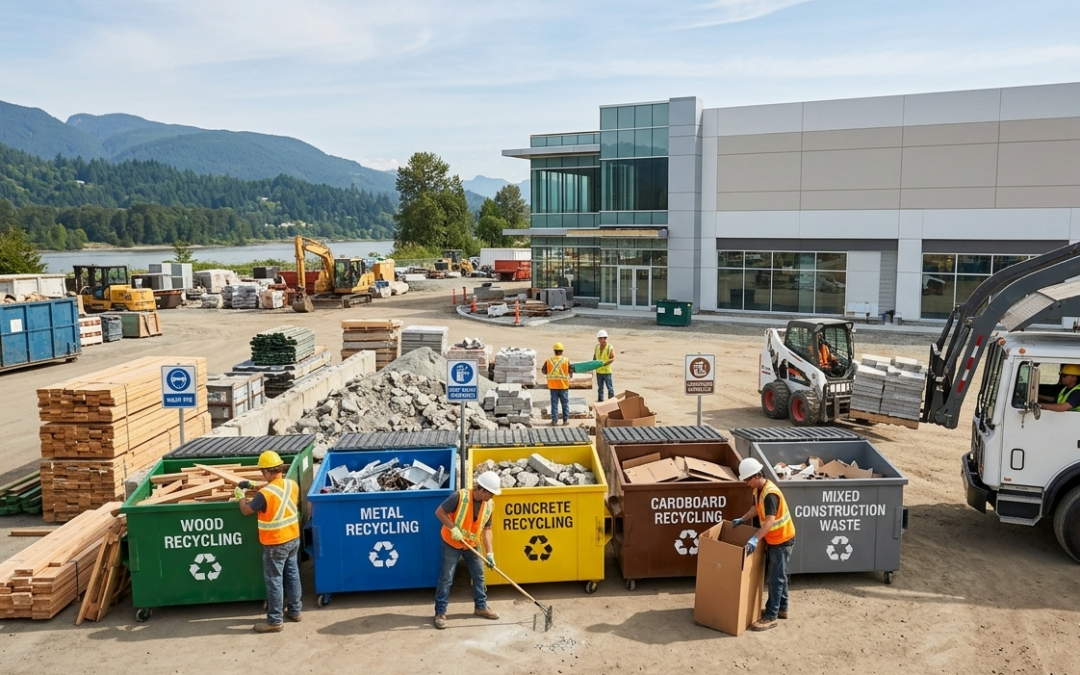
Construction sites should keep separate containers for:
- Clean wood
- Concrete and masonry
- Scrap metal
- Cardboard
- Plastics
- Mixed construction debris
Proper separation reduces labour at recycling facilities and increases the likelihood that materials can be successfully recovered instead of discarded.
Train Every Crew Member
Even the best recycling program can fail if workers are unsure where materials belong.
Regular site training helps employees understand:
- Which materials are recyclable
- What causes contamination
- How to use designated containers
- Why proper sorting matters
Simple signage near collection areas also helps maintain consistency across larger commercial projects.
Small Contaminants Have a Big Financial Impact
Construction managers often focus on large waste volumes while overlooking smaller contaminants.
Items such as food waste, coffee cups, oily rags, or partially filled chemical containers can contaminate recyclable materials and increase handling requirements.
Preventing contamination early helps protect recycling quality and control project costs.
Technology Is Improving Commercial Recycling
Modern recycling facilities now use advanced sorting technologies to recover more reusable materials than ever before.
These may include:
- Optical sorting systems
- Magnetic separation
- Automated screening equipment
- Material tracking systems
While technology improves recovery rates, clean and properly sorted materials still produce the best recycling results.
Construction Waste Should Be Viewed as a Resource
Many construction materials retain value when managed correctly.
Common recyclable materials include:
- Structural steel
- Aluminum
- Copper wiring
- Untreated lumber
- Concrete
- Asphalt
- Cardboard packaging
Professional Construction Waste Recycling Port Coquitlam solutions help businesses recover these materials while reducing landfill dependence.
Environmental Compliance Is Becoming More Important
Commercial construction projects face increasing expectations regarding sustainability and waste reduction.
Responsible recycling helps businesses:
- Support environmental goals
- Improve ESG initiatives
- Reduce landfill contributions
- Meet project sustainability requirements
- Strengthen corporate reputation
A structured recycling program delivers both environmental and operational benefits.
Choosing the Right Recycling Partner
Commercial recycling requires more than collecting waste containers.
An experienced recycling provider understands:
- Construction material handling
- Recycling regulations
- Collection logistics
- Waste stream optimization
- Documentation and reporting
Working with professionals ensures recyclable materials are managed efficiently from collection through processing.
Build Smarter Recycling Practices with Canadian Empire Recycling & Disposal
Reducing commercial recycling costs begins with identifying hidden construction waste before it becomes a problem. Better planning, material separation, and responsible recycling practices help businesses improve efficiency while supporting sustainable construction projects. Whether you’re managing a renovation, commercial development, or industrial site, the right recycling strategy can make a measurable difference.
Canadian Empire Recycling & Disposal provides dependable recycling solutions tailored to commercial and construction projects throughout Port Coquitlam. Contact Canadian Empire Recycling & Disposal today to learn how a smarter recycling program can help your business reduce waste, improve efficiency, and support long-term sustainability.