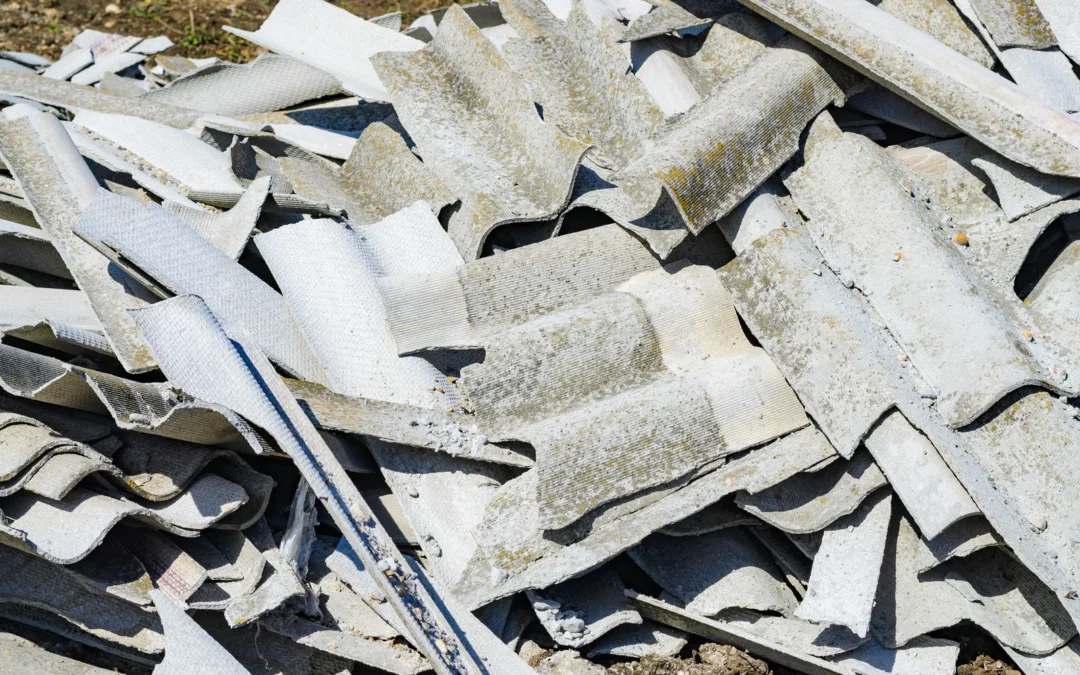
Commercial renovation and demolition projects often uncover hazardous materials hidden within older buildings, and asbestos remains one of the most serious concerns. Many commercial structures built before the 1990s still contain asbestos in insulation, flooring, roofing, ceiling materials, pipe wraps, and fireproofing systems. When these materials are disturbed during renovations or demolition, microscopic asbestos fibers can become airborne and create major health and environmental risks.
Because asbestos exposure can lead to severe long-term illnesses, commercial asbestos waste disposal is heavily regulated and requires strict handling procedures. Businesses, contractors, and property managers in Port Coquitlam must understand how professional asbestos disposal works to ensure projects remain safe, compliant, and environmentally responsible.
Commercial asbestos waste disposal involves far more than simply removing contaminated debris from a job site. It is a highly controlled process that includes inspection, containment, removal, transportation, and final disposal at approved facilities.
Step 1: Identifying Asbestos-Containing Materials
The first stage of any asbestos disposal project begins with a professional inspection. Before renovation or demolition work starts, certified asbestos inspectors conduct detailed assessments to identify potentially hazardous materials throughout the building.
Common asbestos-containing materials found in commercial properties include:
- Pipe insulation
- Vinyl floor tiles
- Drywall compounds
- Ceiling textures
- Roofing materials
- Cement boards
- Boiler insulation
- Fire-resistant coatings
- HVAC insulation systems
Samples are collected and sent to specialized laboratories for testing and analysis. These tests confirm whether asbestos fibers are present and determine the level of risk involved.
This step is critical because disturbing unidentified asbestos during construction can contaminate large areas of the building.
Step 2: Risk Assessment and Project Planning
Once asbestos materials are identified, professionals create a detailed removal and disposal plan. Every commercial property presents unique challenges depending on the building’s age, structure, ventilation systems, occupancy levels, and renovation scope.
The project planning stage typically includes:
- Hazard assessments
- Air quality evaluations
- Work zone planning
- Safety protocol development
- Containment strategy preparation
- Regulatory compliance checks
Contractors also determine the safest removal methods based on the condition and location of asbestos-containing materials.
Careful planning reduces contamination risks and helps projects proceed efficiently.
Step 3: Establishing Containment Zones
Containment is one of the most important aspects of asbestos waste management. Before removal begins, specialized containment systems are installed to prevent asbestos fibers from spreading into occupied areas.
Professional containment procedures may include:
- Sealed plastic barriers
- Negative air pressure systems
- HEPA filtration units
- Restricted access zones
- Worker decontamination chambers
- Air monitoring systems
Containment areas are designed to isolate hazardous materials and maintain safe air quality throughout the property.
Without proper containment, airborne asbestos fibers can travel through ventilation systems and contaminate surrounding spaces.
Step 4: Safe Removal of Asbestos Materials
Once containment systems are in place, trained asbestos removal professionals begin carefully removing contaminated materials. Specialized protective equipment is required during this phase to minimize worker exposure.
Workers typically wear:
- Full-body protective suits
- Respirators
- Gloves
- Safety goggles
- Disposable footwear coverings
Removal techniques are carefully controlled to avoid breaking or damaging asbestos materials unnecessarily. In many cases, wet removal methods are used to reduce airborne dust and fiber release.
Commercial asbestos removal may involve dismantling walls, ceilings, insulation systems, flooring, or mechanical components, depending on the project.
Step 5: Packaging and Securing Hazardous Waste
After asbestos materials are removed, they must be packaged according to strict hazardous waste regulations. Improper packaging can result in contamination during transportation and disposal.
Asbestos waste is typically:
- Double-bagged in heavy-duty sealed containers
- Clearly labeled as hazardous material
- Secured to prevent tearing or leakage
- Isolated from non-hazardous waste streams
Professional crews follow regulated handling procedures throughout the packaging process to ensure workplace safety and environmental protection.
Using professional Asbestos Waste Disposal Port Coquitlam services helps businesses avoid improper handling and potential legal penalties.
Step 6: Air Quality Testing and Site Decontamination
After removal is completed, additional cleaning and air quality testing are performed before containment systems are dismantled.
This process may include:
- HEPA vacuum cleaning
- Surface decontamination
- Airborne fiber testing
- Clearance inspections
- Final safety verification
Air quality monitoring ensures asbestos fiber levels meet approved safety standards before workers or occupants re-enter the area.
If contamination levels remain too high, additional cleaning and remediation may be required.
Step 7: Transportation to Approved Disposal Facilities
Asbestos waste cannot be disposed of like standard construction debris. Specialized transportation procedures are required to safely move hazardous materials to authorized disposal facilities.
Licensed hazardous waste carriers use regulated transport methods designed to prevent leaks, spills, or airborne contamination during transit.
Improper transportation practices can result in:
- Environmental violations
- Public health risks
- Regulatory fines
- Contamination incidents
This is why asbestos waste transportation should always be handled by experienced professionals familiar with provincial disposal regulations.
Step 8: Final Disposal and Environmental Compliance
The final stage involves disposing of asbestos waste at approved hazardous material facilities. These disposal sites are specifically designed to safely contain hazardous materials and prevent environmental contamination.
Strict documentation is often maintained throughout the disposal process, including:
- Waste tracking records
- Transportation manifests
- Disposal confirmations
- Regulatory compliance reports
Businesses must ensure all asbestos waste is handled according to provincial environmental and occupational safety regulations.
Professional Commercial Waste Disposal Port Coquitlam help companies meet these compliance requirements while protecting employees, contractors, and the surrounding community.
Why Professional Asbestos Disposal Matters
Commercial asbestos disposal projects involve significant health, legal, and environmental responsibilities. Attempting to manage asbestos waste without proper expertise can expose workers and building occupants to dangerous airborne fibers while creating serious liability risks for property owners.
Professional asbestos disposal teams understand:
- Hazard containment procedures
- Air quality control systems
- Provincial disposal regulations
- Worker safety standards
- Hazardous material transportation laws
- Environmental compliance requirements
Their experience helps reduce contamination risks while ensuring projects remain safe and efficient.
Long-Term Safety for Commercial Properties
Even after asbestos removal is completed, commercial property owners should continue monitoring building conditions during future renovations or maintenance work. Older structures may still contain hidden asbestos materials in previously inaccessible areas.
Regular inspections and proactive asbestos management help businesses reduce long-term health and financial risks while maintaining safer commercial environments.
Professional Commercial Asbestos Waste Disposal
Managing asbestos waste in commercial properties requires specialized knowledge, certified handling procedures, and strict regulatory compliance. Whether you are renovating an office building, demolishing an industrial facility, or upgrading a retail property, professional asbestos waste disposal services are essential for protecting workers and the environment.
Canadian Empire Recycling & Disposal provides dependable asbestos waste management and hazardous material disposal services for commercial projects throughout Port Coquitlam. Their experienced team follows industry-approved safety procedures to ensure asbestos materials are handled, transported, and disposed of responsibly. Contact Canadian Empire Recycling & Disposal for professional support with commercial asbestos waste disposal and hazardous cleanup services.