Proper waste management is no longer optional for businesses—it’s a responsibility that directly impacts environmental sustainability, regulatory compliance, and brand reputation. One area that often gets overlooked is paint disposal. Whether you’re a contractor, property manager, or industrial business owner, understanding paint recycling is essential. If your business operates in Port Coquitlam, knowing how to handle leftover paint safely and responsibly can make a significant difference.
Why Paint Recycling Matters for Businesses
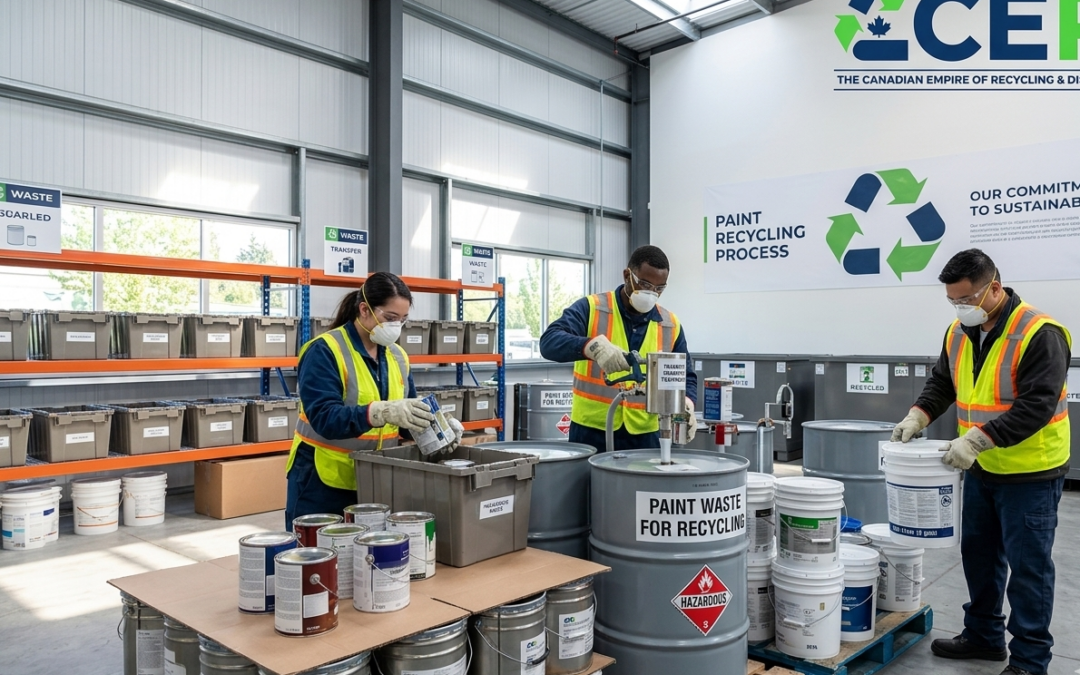
Paint products often contain chemicals that can harm the environment and human health if not disposed of properly. Improper disposal—such as pouring paint down drains or throwing it in regular garbage—can contaminate water systems and soil.
Recycling paint allows it to be repurposed, reducing landfill waste and minimizing the need for new raw materials. For businesses, this not only supports sustainability goals but also demonstrates environmental responsibility to clients and stakeholders.
Understanding Paint Waste Categories
Before recycling paint, it’s important to understand the types of paint waste your business may generate:
- Latex (water-based) paint – Easier to recycle and less hazardous
- Oil-based paint – Considered hazardous and requires specialized handling
- Solvents and thinners – Highly flammable and toxic
- Empty paint containers – May still contain residue and require proper disposal
Each category requires a different approach, which is why professional recycling services are often the safest and most efficient option.
Regulations Businesses Must Follow
In British Columbia, businesses must adhere to strict environmental regulations when disposing of paint. Paint is often classified as a hazardous material, especially oil-based products, so improper disposal can lead to fines and legal issues.
Using certified recycling and disposal services ensures compliance with local and provincial laws. It also helps maintain proper documentation, which is often required during inspections or audits.
Benefits of Commercial Paint Recycling
Adopting Commercial Paint Recycling practices offers several advantages for businesses:
- Environmental Protection
Recycling reduces pollution and conserves natural resources by reusing paint materials. - Cost Savings
Proper waste management can reduce disposal costs and prevent fines associated with non-compliance. - Improved Brand Image
Customers and partners increasingly prefer eco-conscious businesses. Recycling initiatives can enhance your reputation. - Workplace Safety
Removing hazardous materials from your premises reduces risks for employees and improves overall safety.
Common Challenges Businesses Face
Despite the benefits, many businesses struggle with paint recycling due to:
- Lack of awareness about proper disposal methods
- Limited storage space for leftover paint
- Confusion about regulations
- Difficulty transporting hazardous materials
This is where professional recycling services become invaluable. They handle collection, sorting, and safe disposal, allowing businesses to focus on their operations.
Best Practices for Paint Recycling
To manage paint waste effectively, businesses should follow these best practices:
- Store paint properly in sealed containers to prevent leaks or contamination
- Label all materials clearly for easy identification
- Separate hazardous and non-hazardous waste
- Schedule regular pickups to avoid accumulation
- Train staff on safe handling and disposal procedures
Incorporating these practices into your workflow can streamline waste management and ensure compliance.
The Role of Hazardous Waste Disposal
When dealing with oil-based paints and solvents, proper Hazardous Waste Disposal Port Coquitlam services are crucial. These materials require specialized handling, transportation, and treatment to prevent environmental damage.
Certified providers use approved methods to neutralize or safely dispose of hazardous substances. This not only protects the environment but also shields your business from potential liabilities.
Industries That Benefit Most
Several industries in Port Coquitlam generate significant paint waste and can benefit from recycling services:
- Construction and renovation companies
- Manufacturing facilities
- Property management firms
- Automotive and marine businesses
- Commercial painters and contractors
For these industries, implementing a structured recycling plan can significantly improve operational efficiency and sustainability.
Choosing the Right Recycling Partner
Not all recycling services are created equal. When selecting a provider, consider:
- Experience in handling commercial paint waste
- Compliance with local regulations
- Availability of pickup and transportation services
- Transparent pricing
- Positive customer reviews
A reliable partner will guide you through the entire process and ensure your business meets all environmental standards.
Moving Toward a Greener Future
Sustainability is becoming a core part of business strategy across industries. By adopting responsible paint recycling practices, companies in Port Coquitlam can reduce their environmental footprint and contribute to a cleaner, healthier community.
Small steps—like proper storage and working with certified recyclers—can lead to significant long-term benefits for both your business and the environment.
Managing paint waste doesn’t have to be complicated, but it does require the right approach and expertise. From understanding regulations to implementing best practices, businesses must take proactive steps to ensure safe and efficient disposal.
For reliable and professional support, contact Canadian Empire Recycling & Disposal. Their team specializes in handling commercial waste, including paint recycling, ensuring compliance, safety, and environmental responsibility. Partnering with experts like them makes it easier to maintain sustainable operations while focusing on what your business does best.