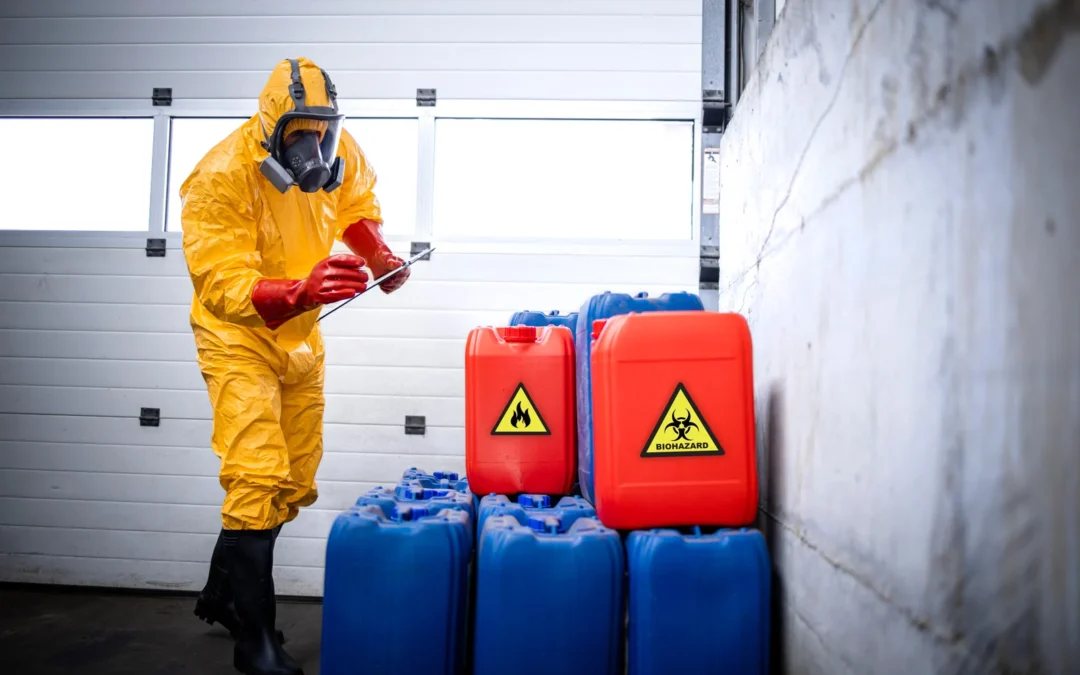
Hazardous waste management requires more than arranging a pickup when containers become full. Businesses must understand what materials they generate, how those materials should be identified, where they can be stored, and what conditions must be met before collection. Poor preparation can lead to incompatible materials being mixed, damaged containers, delayed pickups, and unnecessary workplace risks.
For businesses in Mission, these considerations become especially important during facility maintenance, equipment upgrades, manufacturing activities, construction, and commercial renovations. Different waste materials may have different handling and disposal requirements, so preparing them properly before collection helps keep operations organized and supports safer waste management.
A well-planned Hazardous Waste Disposal process starts with identifying waste streams and continues through segregation, storage, documentation, and collection coordination.
1. Identify Hazardous Waste Before Scheduling Collection
The first step is understanding exactly what materials need to be removed. Businesses should not rely only on container appearance or product names to determine whether waste is hazardous. Its composition, contamination, concentration, and intended disposal route may affect its classification.
Depending on the business activity, hazardous waste may include:
- Used oils, lubricants, and oily residues
- Chemical cleaners, solvents, and degreasers
- Paints, coatings, and related residues
- Certain batteries and electronic components
- Contaminated absorbents, filters, and materials
- Industrial chemicals and process-related waste
Businesses should review product labels, Safety Data Sheets (SDS), purchasing records, and available waste records. Where the classification is uncertain, they should obtain appropriate technical guidance before arranging disposal.
Why this matters: Accurate identification helps determine the appropriate packaging, storage, transportation, and receiving-facility requirements.
2. Separate Incompatible Materials Before Collection
One of the most important preparation steps is keeping incompatible hazardous materials separate. Combining different waste streams simply because they are being collected at the same time can create dangerous reactions, leaks, or additional disposal complications.
For example, certain acids and alkaline materials can react when mixed. Oxidizers may also react dangerously with oils, solvents, or other combustible substances.
Businesses should:
- Keep different waste types in separate, suitable containers.
- Never combine unidentified chemicals.
- Separate materials according to their compatibility.
- Maintain clear identification for each waste stream.
- Prevent unauthorized staff from transferring waste between containers.
For Commercial Waste Disposal Mission, this separation is also important when a business generates both ordinary operational waste and regulated hazardous materials. Cardboard, packaging, general renovation debris, and recyclable materials should not be mixed with hazardous waste.
3. Select Containers Suitable for the Waste Material
The condition and suitability of waste containers can directly affect collection safety. A container that is damaged, incompatible with its contents, or improperly closed may increase the risk of leaks, spills, or exposure.
Before collection, businesses should check:
- Whether the container material is compatible with the waste.
- Whether lids, caps, and closures are secure.
- Whether there are signs of corrosion, cracks, or leakage.
- Whether containers are overfilled or unstable.
- Whether secondary containment is needed for liquid waste.
Hazardous materials should be kept in appropriate, clearly identified containers. Businesses should also avoid reusing containers without confirming that they are suitable for the new material and its handling requirements.
4. Maintain Clear Labels and Waste Identification Records
Unidentified containers can create significant problems during collection because workers may not know what they contain or how they should be handled.
Each waste stream should have appropriate identification based on its classification and applicable requirements. Depending on the material, records may include:
- Waste or product name
- Relevant hazard information
- Date the waste was generated or accumulated
- Container identification
- Available SDS or supporting documentation
- Estimated quantity and physical state
Businesses should ensure that labels remain readable and that records match the actual contents. If a container’s contents are unknown, it should not be treated as ordinary waste or handled based on assumptions.
5. Prepare a Safe and Organized Temporary Storage Area
Where hazardous waste is stored before collection, the storage area should be selected and maintained according to the material’s risks and applicable regulatory requirements.
A suitable area should help prevent accidental contact, unauthorized access, environmental releases, and damage to containers.
Mission businesses should consider:
Access control: Restrict access to authorized personnel and make sure employees understand the storage procedures.
Weather protection: Protect containers from conditions that could damage packaging or compromise their contents.
Spill prevention: Use appropriate secondary containment and keep suitable spill-response materials accessible where required.
Clear separation: Keep incompatible waste streams apart and maintain separation from general commercial waste.
Routine inspections: Check containers for leaks, corrosion, damage, and changes in condition.
These precautions are particularly important for businesses that accumulate hazardous materials over several weeks or generate different waste streams across multiple departments.
6. Confirm Collection Requirements Before Pickup
Preparing hazardous waste also means confirming how it will be collected and where it can be accepted. Not every waste collection provider or receiving facility handles every type of hazardous material.
Before scheduling a pickup, businesses should confirm:
- The waste types and quantities accepted by the provider.
- Whether materials require special packaging or preparation.
- Whether separate collection arrangements are needed.
- What documentation or waste classification information is required.
- Whether the proposed receiving facility can accept the materials.
This preparation helps avoid last-minute changes and supports a smoother collection process. Businesses arranging Hazardous Waste Disposal Mission should communicate accurate information about their waste before confirming collection.
7. Coordinate Waste Collection Around Business Operations
Hazardous waste collection can become more complicated when loading areas are busy, multiple contractors are working onsite, or several departments generate waste simultaneously.
A collection plan should account for:
- Vehicle access and loading space.
- Site operating hours and delivery schedules.
- Safe movement of containers through the property.
- Separation between collection activities and routine operations.
- A designated contact person for collection coordination.
For larger commercial facilities, assigning responsibility to a specific employee or site supervisor can help ensure that containers are ready, records are available, and access arrangements are confirmed.
8. Train Employees to Follow Consistent Waste Preparation Procedures
Even a well-designed waste management plan can fail if employees do not understand how to follow it. Staff members who handle maintenance products, chemicals, equipment, or production materials should know how to identify waste streams and follow established procedures.
Training should explain:
- Which materials must be kept separate.
- How to identify and report damaged containers.
- Where hazardous waste should be stored.
- What to do if a spill or unexpected material is discovered.
- Who is responsible for arranging collection.
Employees should never attempt to identify unknown chemicals by smell, touch, or mixing. Suspected hazardous materials should be reported and assessed through appropriate procedures.
A Practical Hazardous Waste Collection Checklist for Mission Businesses
Before arranging collection, businesses can use the following checklist to review their preparation:
| Preparation step | What to verify |
| Waste identification | Materials have been identified and appropriately classified |
| Segregation | Incompatible waste streams are kept separate |
| Containers | Packaging is suitable, secure, and in good condition |
| Labelling | Containers have appropriate and readable identification |
| Storage | The designated area meets applicable storage requirements |
| Documentation | Relevant waste information and records are available |
| Collection arrangements | Provider acceptance and handling requirements are confirmed |
| Site access | Loading areas and collection schedules are coordinated |
Following these steps helps businesses identify potential problems before collection day rather than dealing with them during pickup.
Arrange Hazardous Waste Collection in Mission
Preparing hazardous waste for collection involves more than placing containers in a designated area. Businesses need to identify their materials, maintain proper separation, use suitable packaging, organize storage, and confirm collection requirements before removal.
A consistent preparation process can help Mission businesses reduce handling risks, avoid preventable collection delays, and manage their waste responsibilities more effectively.
For assistance with commercial waste management and collection arrangements, contact Canadian Empire Recycling & Disposal to discuss your business’s waste requirements and suitable disposal arrangements in Mission.