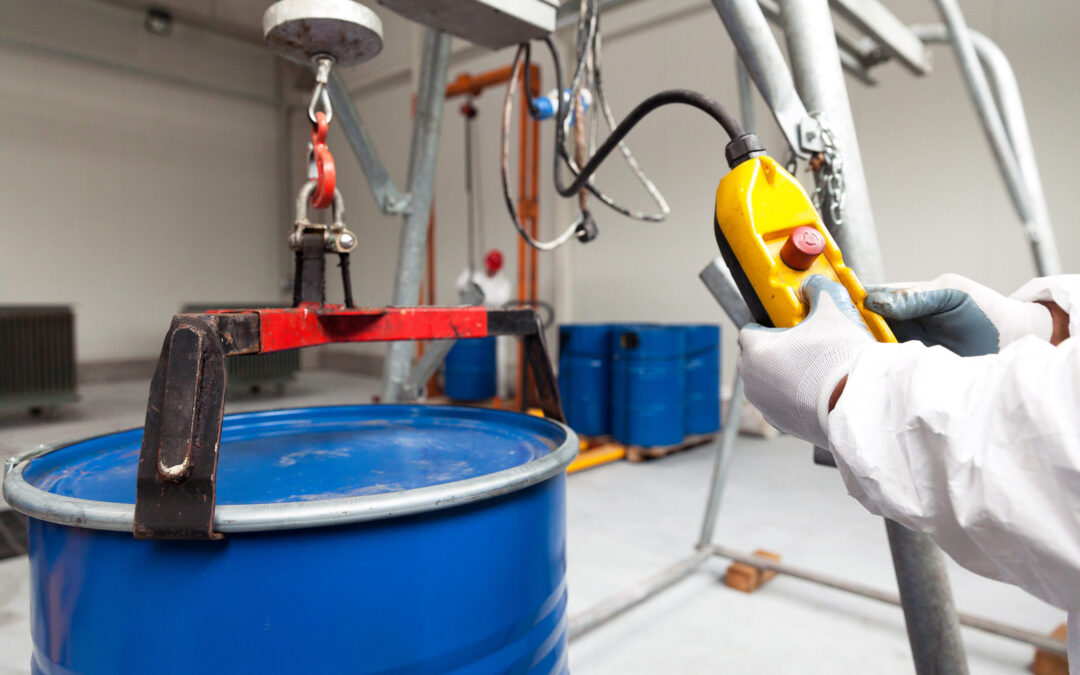
A commercial storage room can look like an ordinary cleanup job until someone starts opening old cabinets, moving forgotten containers, or clearing out equipment that has been sitting untouched for years.
Behind those boxes and shelves, businesses may find old chemicals, paint, batteries, oils, solvents, electronic equipment, or contaminated materials that shouldn’t be handled like ordinary garbage.
For businesses planning a storage-room cleanout in Mission, identifying these materials before everything goes into a general waste container can make the disposal process much more organized.
Why Storage-Room Cleanouts Need a Closer Look
Commercial storage areas often accumulate waste gradually.
A business may keep leftover products from an old project, maintenance supplies, damaged equipment, cleaning chemicals, or materials that were no longer needed but were never properly removed.
Over time, labels can fade, containers can deteriorate, and employees may not know exactly what is inside them.
That makes the first step of a cleanout important: identify what you’re dealing with before moving or disposing of it.
Not every item in a storage room is hazardous, but some materials require separate handling and disposal.
1. Old Chemicals and Cleaning Products
Commercial facilities can accumulate a surprising range of chemical products.
These may include:
- Industrial cleaners
- Degreasers
- Solvents
- Chemical concentrates
- Adhesives
- Treatment products
- Maintenance chemicals
- Unused or expired chemical products
Even if a container looks small, its contents may still require appropriate management.
Businesses should avoid assuming that an old chemical can be poured down a drain, placed in regular garbage, or mixed with another product simply because it has been sitting unused for a long time.
2. Paint, Thinners and Solvents
Renovation, maintenance, manufacturing, and property-management businesses may have leftover paint and related products stored away.
Look for:
- Paint cans
- Paint thinners
- Solvents
- Strippers
- Coatings
- Adhesive removers
Old containers can become difficult to identify, particularly when labels are damaged.
Rather than combining unknown liquids or placing them with ordinary commercial debris, separate them and determine the appropriate disposal route.
3. Batteries and Electronic Equipment
A storage-room cleanout can also uncover batteries and outdated electronics.
Examples include:
- Rechargeable batteries
- Lead-acid batteries
- Power supplies
- Computers
- Printers
- Electronic components
- Outdated electrical equipment
Some electronic items contain components or materials that require specialized recycling or disposal.
Separating e-waste and batteries from general commercial waste can also help businesses recover recyclable materials while keeping potentially problematic items out of the regular waste stream.
4. Used Oil and Oil-Contaminated Materials
Businesses involved in vehicle maintenance, equipment servicing, construction, or industrial work may find old oil containers, used filters, absorbents, and other contaminated materials during a cleanout.
These materials shouldn’t automatically be treated as ordinary garbage.
A storage area may also contain partially filled containers of lubricants, hydraulic fluids, or other maintenance products.
Before disposing of them, identify the material and keep potentially hazardous liquids separated from general waste.
5. Aerosols and Pressurized Containers
Old aerosol cans are another item worth checking before a commercial storage room is cleared.
They may include:
- Lubricants
- Cleaning products
- Paint products
- Maintenance sprays
- Other pressurized products
Even when a container appears empty, businesses shouldn’t automatically assume it belongs in the same waste stream as cardboard or general garbage.
A proper waste assessment can help determine how these materials should be managed.
6. Contaminated Absorbents and Cleanup Materials
Hazardous materials aren’t always stored in bottles or drums.
Businesses may also discover rags, absorbent pads, filters, or other materials that became contaminated during maintenance or cleanup activities.
For example, absorbents used to clean up oil or chemical spills may require different handling from ordinary paper or shop waste.
This is one reason a storage-room cleanout should involve more than simply emptying shelves into one container.
Don’t Mix Hazardous Materials With General Commercial Waste
One of the biggest problems during a large cleanout is treating everything as the same type of waste.
Cardboard, packaging, metal, furniture, old equipment, and hazardous materials may all be sitting in the same room—but they don’t necessarily belong in the same disposal stream.
Separating materials at the beginning can make the rest of the cleanup easier.
It also reduces the chance of accidentally placing chemicals, batteries, contaminated materials, or other hazardous items into a general commercial waste container.
What Should Businesses Do Before the Cleanout?
A simple preparation process can help.
Start With an Inventory
Walk through the storage area before moving everything.
Make a list of containers, chemicals, batteries, oils, electronics, paints, and other materials that may require special handling.
Keep Unknown Materials Separate
If you don’t know what a container contains, don’t mix it with another product just to save space.
Keep questionable materials separated until they can be properly identified.
Check Containers Before Moving Them
Look for leaks, damaged packaging, missing labels, corrosion, or other signs that a container may require additional care.
Separate General Waste
Create different groups for recyclable materials, general commercial waste, equipment, and potentially hazardous materials.
This makes it easier to arrange the correct disposal solution for each category.
How Commercial Waste Disposal Fits Into the Cleanout
A storage-room cleanout can generate much more than hazardous material.
There may be cardboard, shelving, packaging, furniture, scrap metal, equipment, and other general debris alongside the hazardous items.
That means businesses need to think about the entire waste stream rather than focusing on one material.
Commercial Waste Disposal Mission can involve coordinating different types of material generated during a business cleanout, while hazardous items may require their own handling and disposal arrangements.
Planning these streams separately can help prevent recyclable or general materials from becoming mixed with waste that requires specialized management.
When Should You Arrange Hazardous Waste Disposal?
Ideally, before the cleanout begins.
Waiting until workers have already removed everything can make sorting more difficult and may create temporary storage problems.
If a business knows it has old chemicals, oils, paint, batteries, contaminated materials, or other potentially hazardous products, it is better to discuss the disposal requirements before the cleanup starts.
Proper planning also allows the business to determine what information may be needed about the materials, quantities, containers, and condition of the waste.
A Cleaner Storage Room Starts With Better Waste Sorting
Clearing an old commercial storage room isn’t simply about making more space.
It is an opportunity to identify materials that have been forgotten, separate recyclable items from general waste, and make sure potentially hazardous products aren’t handled like ordinary garbage.
For Mission businesses, taking a few extra steps before the cleanout can make the disposal process safer, more organized, and easier to manage.
If your business has chemicals, paint, batteries, oils, contaminated materials, or other potentially hazardous waste disposal Mission to clear from a storage area, Contact Canadian Empire Recycling & Disposal for help you plan the appropriate waste-management solution for your Mission project. Contact the team to discuss your requirements.