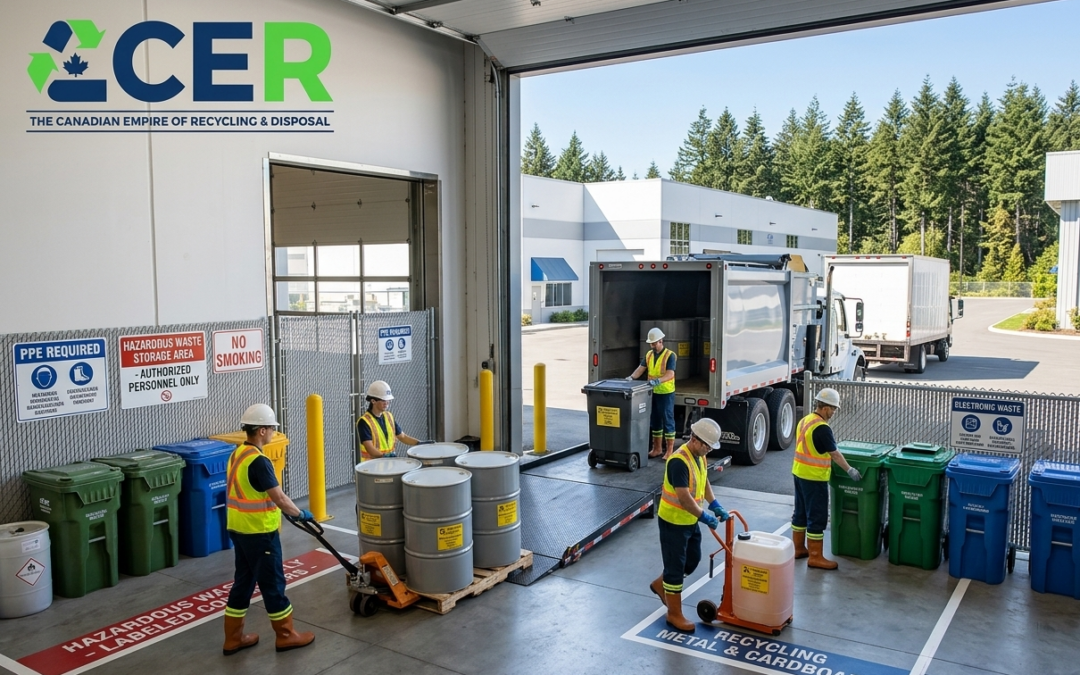
Managing hazardous waste is a critical responsibility for businesses across Mission, British Columbia. Whether operating a manufacturing facility, automotive shop, warehouse, construction site, healthcare clinic, or retail business, companies often generate materials that require special handling and disposal. Improper management of hazardous waste can lead to environmental contamination, workplace safety risks, regulatory penalties, and damage to a company’s reputation.
As environmental regulations continue to evolve, businesses must develop effective waste management strategies that prioritize safety, compliance, and sustainability. Understanding the common challenges associated with hazardous waste disposal can help organizations minimize risks while protecting employees, customers, and the environment.
Understanding Hazardous Waste in Commercial Operations
Hazardous waste includes substances that may be harmful to human health or the environment due to their chemical, physical, or biological properties. These materials often require specialized storage, transportation, treatment, and disposal procedures.
Common examples of hazardous waste generated by commercial businesses include:
- Paints and solvents
- Industrial chemicals
- Cleaning agents
- Automotive fluids
- Oils and lubricants
- Batteries
- Aerosol containers
- Pesticides and herbicides
- Fluorescent light bulbs
- Electronic waste containing hazardous components
Even small quantities of improperly handled hazardous materials can create significant environmental and legal issues for businesses.
Challenge 1: Identifying Hazardous Waste Materials
One of the most common problems businesses face is accurately identifying hazardous waste. Many organizations unknowingly store or dispose of materials without recognizing their hazardous characteristics.
Certain products may appear harmless but contain chemicals that require specialized disposal methods. Without proper identification, businesses risk non-compliance and environmental damage.
Solution
Develop a comprehensive inventory of all chemicals and waste streams generated within the facility. Maintain updated Safety Data Sheets (SDS) for all products and train employees to recognize hazardous materials. Conduct regular waste audits to identify potential hazards before they become problems.
Challenge 2: Regulatory Compliance
Environmental regulations governing hazardous waste management can be complex. Businesses must comply with federal, provincial, and local requirements regarding storage, labeling, transportation, and disposal.
Failure to comply may result in:
- Financial penalties
- Legal action
- Operational disruptions
- Increased liability
- Reputational damage
Solution
Stay informed about current waste management regulations and establish clear compliance procedures. Working with experienced waste management professionals can help businesses navigate regulatory requirements and maintain proper documentation.
Challenge 3: Safe Storage of Hazardous Materials
Improper storage is a leading cause of spills, leaks, fires, and workplace accidents. Hazardous substances stored in unsuitable containers or locations can pose serious risks to employees and surrounding communities.
Examples of storage-related issues include:
- Leaking containers
- Incompatible chemical storage
- Lack of secondary containment
- Inadequate ventilation
- Improper labeling
Solution
Implement proper storage practices by using approved containers, maintaining clear labels, and separating incompatible materials. Storage areas should be secure, well-ventilated, and inspected regularly for signs of deterioration or leaks.
Challenge 4: Employee Safety and Training
Employees who handle hazardous materials without adequate training face increased risks of injury and exposure. Lack of awareness can contribute to accidents, spills, and improper disposal practices.
Solution
Provide ongoing training programs covering:
- Hazard recognition
- Safe handling procedures
- Emergency response protocols
- Personal protective equipment (PPE) requirements
- Spill prevention measures
Well-trained employees are essential for maintaining a safe and compliant workplace.
Challenge 5: Disposal Costs
Many businesses view hazardous waste disposal as an unavoidable expense. However, improper disposal can ultimately cost far more due to fines, cleanup costs, and liability issues.
Organizations often struggle to balance cost control with environmental responsibility.
Solution
Develop a waste reduction strategy focused on minimizing hazardous waste generation. Recycling eligible materials, improving inventory management, and selecting environmentally friendly products can significantly reduce disposal costs over time.
Businesses seeking Commercial Waste Disposal Mission services should prioritize providers that emphasize waste reduction and recycling opportunities whenever possible.
Challenge 6: Transportation Risks
Moving hazardous materials from a commercial site to a disposal facility presents additional challenges. Transportation accidents, leaks, or improper handling during transit can create serious environmental and safety concerns.
Solution
Partner with qualified disposal providers that follow established transportation protocols and comply with all applicable regulations. Proper packaging, documentation, and handling procedures help minimize transportation-related risks.
Challenge 7: Environmental Impact
Improper hazardous waste disposal can negatively affect local ecosystems, waterways, wildlife, and soil quality. Businesses are increasingly expected to demonstrate environmental responsibility and sustainable practices.
Environmental stewardship is no longer just a regulatory requirement—it has become a competitive advantage for many organizations.
Solution
Implement sustainability-focused waste management programs that prioritize:
- Recycling
- Resource recovery
- Waste reduction
- Pollution prevention
- Responsible disposal practices
These initiatives can improve environmental performance while strengthening customer trust and corporate reputation.
Challenge 8: Managing Hazardous Waste During Renovations and Construction Projects
Commercial renovation and construction projects often generate substantial quantities of hazardous waste, including:
- Paint residues
- Adhesives
- Solvents
- Contaminated materials
- Treated wood
- Asbestos-containing materials (where applicable)
Without proper planning, these materials can delay projects and create compliance issues.
Solution
Develop a project-specific waste management plan before work begins. Identify potential hazardous materials, arrange proper containment measures, and coordinate disposal services to ensure safe handling throughout the project.
The Importance of Professional Waste Management Services
Managing hazardous waste internally can be overwhelming for many businesses. Professional service providers offer valuable expertise and resources that help organizations improve safety, compliance, and efficiency.
Benefits of working with experienced waste management professionals include:
- Regulatory guidance
- Safe collection and transportation
- Proper documentation
- Environmental compliance support
- Recycling opportunities
- Reduced liability
Professional services allow businesses to focus on their operations while ensuring hazardous materials are handled responsibly.
Building a Long-Term Hazardous Waste Strategy
Successful hazardous waste management requires more than occasional disposal services. Businesses should establish long-term strategies that include:
- Regular waste assessments
- Employee training programs
- Compliance monitoring
- Waste reduction initiatives
- Emergency response planning
- Continuous process improvement
Organizations that proactively manage hazardous waste often experience lower costs, improved safety performance, and stronger environmental outcomes.
When planning a comprehensive Hazardous Waste Disposal Mission strategy, businesses should evaluate current practices and identify opportunities for improvement across all stages of waste generation, storage, transportation, and disposal.
Businesses looking for reliable hazardous waste management solutions can turn to Canadian Empire Recycling & Disposal for professional support. Their experienced team helps commercial clients manage waste safely, efficiently, and in compliance with environmental regulations. Whether you need assistance with hazardous material removal, recycling programs, or commercial waste management services, Canadian Empire Recycling & Disposal provides dependable solutions tailored to your business needs. Contact Canadian Empire Recycling & Disposal team to learn more about responsible waste disposal options in Mission.