Asbestos remains one of the most dangerous building materials still found in older commercial and industrial properties throughout Mission. For decades, asbestos was widely used in insulation, flooring, ceiling tiles, roofing materials, drywall compounds, pipe coverings, and industrial construction products because of its heat resistance and durability. However, once asbestos-containing materials become damaged or disturbed, they can release microscopic fibers into the air that pose serious health risks.
Commercial renovations, demolitions, tenant improvements, and aging infrastructure have increased the need for safe asbestos cleanup and disposal services in Mission. Businesses, contractors, warehouse operators, and property managers must now follow strict safety procedures when handling asbestos-containing materials to protect workers, tenants, and surrounding communities.
Proper asbestos cleanup is not simply a matter of removing debris. It requires specialized containment, careful handling, approved transportation methods, and environmentally responsible disposal practices.
Why Asbestos Is Dangerous
Asbestos fibers are extremely small and can remain airborne for long periods of time. When inhaled, these fibers may become trapped inside the lungs, potentially leading to severe respiratory illnesses over time.
Asbestos exposure has been linked to serious health conditions such as:
- Mesothelioma
- Lung cancer
- Asbestosis
- Chronic respiratory problems
- Pleural diseases
One of the greatest dangers of asbestos exposure is that symptoms may not appear for decades. This is why strict regulations exist for asbestos removal and disposal in commercial environments.
Common Commercial Buildings That May Contain Asbestos
Many commercial structures built before the 1990s may still contain asbestos materials. Common properties at risk include:
- Warehouses
- Office buildings
- Retail stores
- Schools and institutions
- Manufacturing facilities
- Apartment complexes
- Restaurants
- Industrial plants
Asbestos may be hidden behind walls, inside ceilings, under flooring, or around old piping systems. Renovation work often exposes these materials unexpectedly, creating major safety concerns if proper precautions are not followed.
The Importance of Professional Asbestos Cleanup
Improper asbestos handling can contaminate entire buildings and create dangerous airborne exposure. Commercial asbestos cleanup requires specialized safety procedures that help minimize contamination risks.
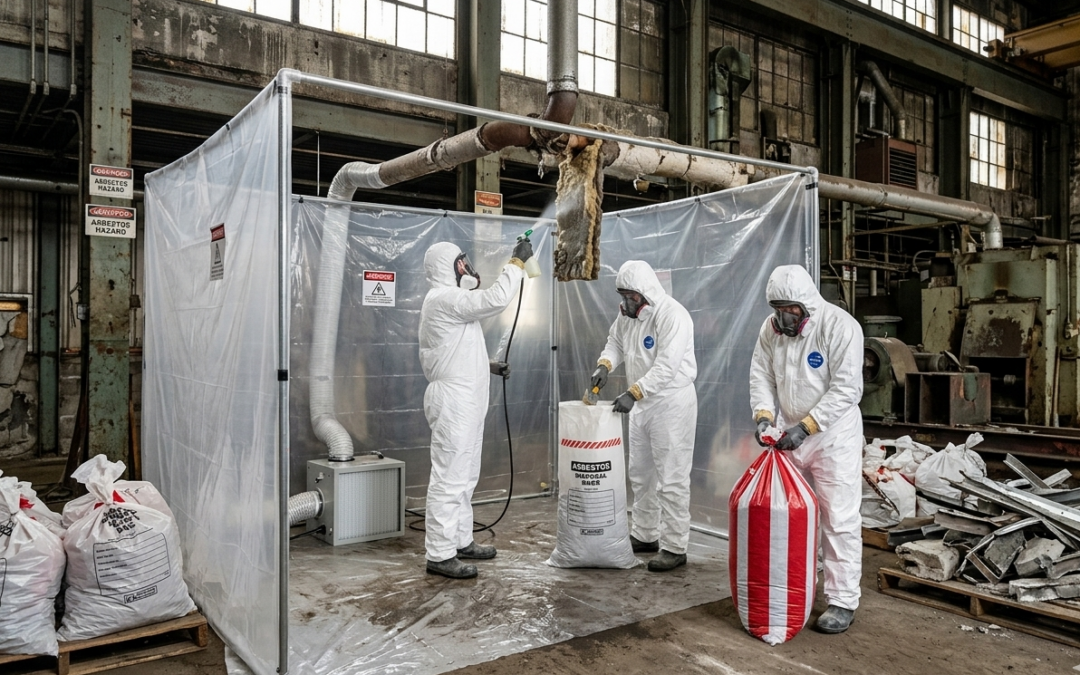
Professional cleanup processes typically involve:
- Site inspections and material testing
- Sealed containment areas
- Negative air pressure systems
- Protective safety equipment
- Controlled material removal
- Safe packaging and transportation
- Approved disposal methods
Attempting to remove asbestos without proper training or equipment can significantly increase health risks for workers and building occupants.
Growing Demand for Safe Disposal in Mission
As older buildings across Mission undergo redevelopment and modernization, the volume of asbestos-containing waste continues to rise. Renovation projects often uncover hidden asbestos in insulation, drywall compounds, floor adhesives, and ceiling materials.
Construction companies and commercial property owners are now prioritizing safer waste management practices to meet environmental standards and reduce liability risks. Professional Asbestos Waste Disposal Mission plays a critical role in ensuring contaminated materials are handled responsibly from removal to final disposal.
Safe disposal protects not only workers on-site but also nearby communities and local ecosystems from airborne contamination.
Common Mistakes During Asbestos Removal
Many asbestos-related safety incidents occur because of improper handling practices. Common mistakes include:
Breaking Materials Apart
Damaging asbestos-containing materials releases fibers into the air more easily.
Using Standard Vacuums
Regular cleaning equipment can spread asbestos fibers instead of containing them.
Improper Waste Storage
Unsealed debris bags or containers may leak hazardous fibers during transportation.
Lack of Protective Equipment
Workers without proper respirators and protective clothing face serious exposure risks.
Illegal Dumping
Unauthorized disposal creates environmental contamination and legal consequences.
Avoiding these mistakes is essential for maintaining safe commercial worksites.
Why Commercial Properties Require Specialized Disposal Plans
Commercial asbestos projects are often more complex than residential removals due to larger building sizes, higher occupancy levels, and stricter workplace safety standards.
A customized disposal strategy helps businesses:
- Reduce operational disruptions
- Maintain worker safety
- Meet environmental regulations
- Prevent contamination spread
- Minimize cleanup delays
- Protect surrounding tenants and customers
Careful planning ensures asbestos materials are removed and disposed of as safely and efficiently as possible.
Environmental Impact of Improper Asbestos Disposal
Improper disposal practices can create long-term environmental hazards. Once asbestos fibers enter the environment, they may remain dangerous for many years.
Unsafe disposal can lead to:
- Soil contamination
- Airborne fiber exposure
- Water pollution risks
- Public health concerns
- Expensive remediation projects
Using licensed disposal facilities helps ensure hazardous materials are isolated and managed according to environmental safety guidelines.
Commercial Waste Management and Site Safety
Construction debris, demolition materials, and contaminated waste often accumulate quickly during asbestos removal projects. Organized waste management plays an important role in maintaining safe and productive worksites.
Professional Commercial Waste Disposal Mission solutions help contractors and businesses manage contaminated materials, renovation debris, damaged fixtures, and construction waste efficiently. Clean and organized job sites reduce safety hazards while improving project efficiency.
Proper waste segregation also helps prevent cross-contamination between hazardous and non-hazardous materials.
How Businesses Can Reduce Asbestos Risks
Commercial property owners can reduce asbestos-related risks through proactive planning and inspections.
Recommended safety measures include:
- Conducting asbestos surveys before renovations
- Hiring trained professionals for inspections
- Avoiding disturbance of suspicious materials
- Following containment procedures during demolition
- Using approved disposal services
- Educating workers about asbestos hazards
Early identification of asbestos materials helps prevent accidental exposure and project delays.
The Future of Commercial Asbestos Management
As environmental regulations continue to evolve, asbestos disposal standards are becoming increasingly strict. Businesses are now expected to prioritize workplace safety, environmental responsibility, and compliant disposal practices throughout renovation and demolition projects.
Modern asbestos management focuses on minimizing exposure risks while improving containment, transportation, and disposal methods. Advanced cleanup procedures and specialized equipment continue to improve the safety of asbestos removal operations across commercial industries.
Responsible asbestos disposal not only protects current workers and building occupants but also helps create safer communities for future generations.
For reliable asbestos cleanup and disposal support, Canadian Empire Recycling & Disposal provides professional waste management solutions for commercial properties, construction projects, renovations, and industrial facilities. Their experienced team helps ensure hazardous materials are handled safely, responsibly, and according to environmental standards. Whether you need cleanup assistance, contaminated waste removal, or large-scale disposal services, contact Canadian Empire Recycling & Disposal for dependable solutions tailored to commercial project needs in Mission and surrounding areas.