Managing food waste is a growing challenge for businesses in the hospitality, retail, and food production sectors. From restaurants and cafés to hotels and grocery stores, improper handling of food waste can lead to serious consequences—ranging from health risks and environmental damage to regulatory fines and increased operational costs.
While many businesses are making efforts to improve their waste management practices, common mistakes still occur. Understanding and avoiding these errors can help you streamline operations, stay compliant, and contribute to a more sustainable future.
Why Proper Food Waste Disposal Matters
Food waste is more than just leftover scraps—it often includes organic matter that decomposes quickly, producing odors, attracting pests, and releasing harmful greenhouse gases like methane.
Effective food waste disposal helps businesses:
- Maintain hygiene and cleanliness
- Comply with local waste regulations
- Reduce environmental impact
- Improve operational efficiency
- Enhance brand reputation
However, achieving these benefits requires avoiding some key mistakes that many businesses still make.
Mistake #1: Mixing Food Waste with General Waste
One of the most common mistakes is failing to separate food waste from other types of waste. When food waste is mixed with plastics, metals, or hazardous materials, it becomes difficult to recycle or compost.
Why It’s a Problem:
- Contaminates recyclable materials
- Increases landfill waste
- Raises disposal costs
Solution:
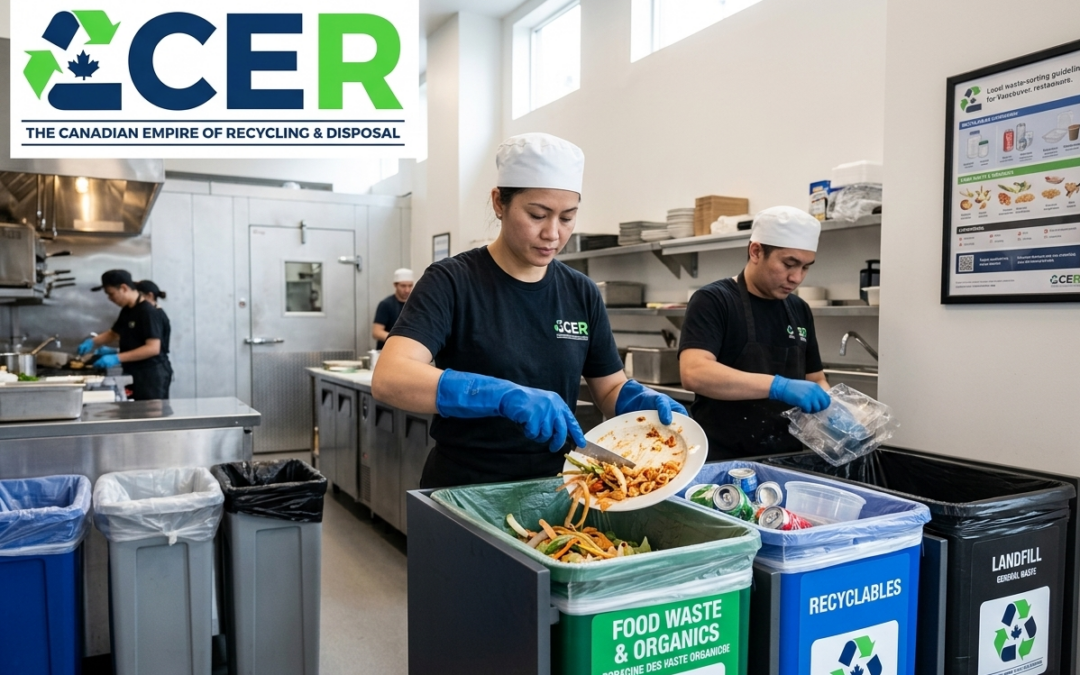
Implement a clear waste segregation system with labeled bins for organic and non-organic materials. Train staff to follow proper sorting procedures consistently.
Mistake #2: Ignoring Local Regulations
Every region has specific rules regarding waste disposal, and businesses must comply with them. Ignoring these regulations can result in fines, penalties, or even business shutdowns.
Common Oversights:
- Not following disposal guidelines
- Using unauthorized disposal methods
- Failing to document waste handling processes
Solution:
Stay informed about local waste management laws and work with certified disposal providers to ensure compliance.
Mistake #3: Poor Storage and Handling Practices
Improper storage of food waste can quickly lead to hygiene issues. Open containers, lack of refrigeration, and delayed disposal can create unpleasant conditions.
Risks Include:
- Strong odors
- Pest infestations
- Health hazards for staff and customers
Solution:
Use sealed, leak-proof containers and schedule regular pickups to prevent accumulation.
Mistake #4: Not Using Professional Services
Many businesses attempt to handle food waste internally without professional support. While this might seem cost-effective initially, it often leads to inefficiencies and compliance issues.
For example, services like Junk Removal Services Mission can help businesses manage large volumes of waste efficiently, especially during renovations or major cleanouts. Professional services ensure proper handling, transportation, and disposal.
Mistake #5: Overlooking Recycling and Composting Opportunities
Food waste doesn’t always have to end up in landfills. Composting and recycling can turn organic waste into valuable resources like fertilizer and energy.
Missed Opportunities:
- Composting organic waste
- Partnering with recycling facilities
- Reducing overall waste footprint
Solution:
Incorporate sustainable practices into your waste management plan and explore eco-friendly disposal options.
Mistake #6: Lack of Staff Training
Even the best waste management plan can fail without proper staff training. Employees play a crucial role in ensuring waste is handled correctly.
Common Issues:
- Improper sorting
- Neglecting safety procedures
- Lack of awareness about waste policies
Solution:
Provide regular training sessions and clear guidelines to ensure everyone understands their responsibilities.
Mistake #7: Underestimating Waste Volume
Many businesses fail to accurately estimate the amount of food waste they generate. This can lead to inadequate storage, infrequent pickups, and operational disruptions.
Consequences:
- Overflowing bins
- Increased odors and pests
- Inefficient waste management
Solution:
Monitor waste generation patterns and adjust your disposal schedule accordingly.
Mistake #8: Choosing the Wrong Disposal Partner
Not all waste disposal services offer the same level of expertise or reliability. Choosing an unqualified provider can result in improper handling and compliance issues.
Working with professionals who specialize in Food Waste Disposal ensures that your waste is managed responsibly and in accordance with environmental standards.
Mistake #9: Ignoring Broader Waste Management Needs
Food waste is often just one part of a business’s overall waste stream. Ignoring other types of waste can create inefficiencies and missed opportunities for improvement.
For instance, combining food waste management with Commercial Waste Disposal Mission allows businesses to streamline operations and handle multiple waste types more effectively.
Benefits of Avoiding These Mistakes
By addressing these common errors, businesses can enjoy several advantages:
- Improved Hygiene: Cleaner and safer work environments
- Cost Savings: Reduced disposal and operational costs
- Regulatory Compliance: Avoid fines and legal issues
- Sustainability: Lower environmental impact
- Operational Efficiency: Streamlined waste management processes
Practical Tips for Better Food Waste Management
- Conduct regular waste audits
- Implement a clear waste segregation system
- Partner with reliable disposal services
- Schedule consistent waste pickups
- Train staff on proper handling procedures
- Explore composting and recycling options
Commercial food waste disposal is a critical aspect of running a responsible and efficient business. While it may seem like a routine task, the way you handle food waste can have far-reaching impacts on your operations, finances, and environmental footprint.
Avoiding common mistakes—such as improper sorting, ignoring regulations, and neglecting professional services—can help you build a more effective waste management strategy.
For businesses looking for reliable and compliant waste solutions, contact Canadian Empire Recycling & Disposal for professional support tailored to your needs. Their experienced team can help manage food waste and other materials safely and efficiently, ensuring your business stays clean, compliant, and environmentally responsible.