
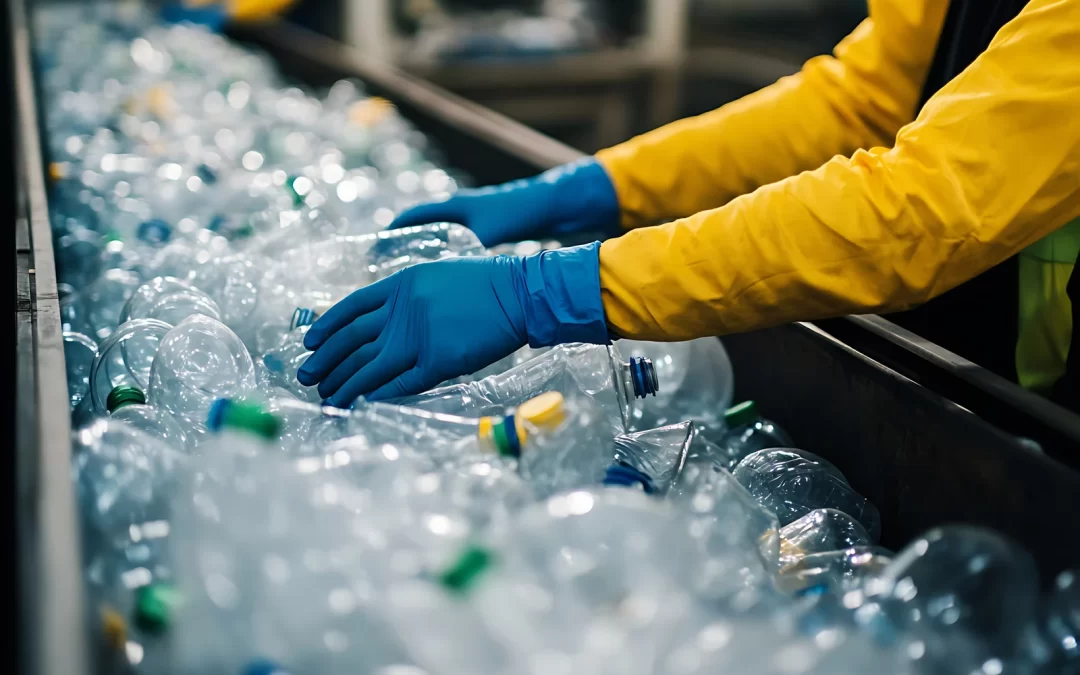
Plastic waste is a major by-product of modern commercial operations. Offices, retail stores, warehouses, restaurants, and manufacturing facilities generate large quantities of plastic through packaging, shipping materials, containers, and daily operational supplies. Understanding what types of plastics can be recycled by commercial facilities helps businesses reduce landfill use, lower disposal costs, and meet sustainability and compliance goals.
Unlike residential recycling, commercial recycling programs are designed to handle higher volumes, cleaner material streams, and more specialized plastic types. When businesses know what rubber is accepted and how to prepare it correctly, recycling becomes more efficient and reliable.
Why Commercial Plastic Recycling Matters
Plastic sent to landfills can take hundreds of years to break down, contributing to long-term environmental damage. For businesses, excessive landfill waste also leads to higher disposal costs and missed recycling opportunities.
A structured recycling program helps commercial operations:
- Improve waste diversion rates
- Reduce contamination in recycling streams
- Support environmental responsibility goals
- Enhance corporate reputation
- Comply with local and regional waste regulations
By identifying recyclables at the source, businesses can make meaningful improvements to their waste management systems.
Common Plastics Accepted by Commercial Recycling Facilities
Commercial recycling facilities typically accept a wide range of plastics when they are clean, sorted, and generated in consistent volumes. Below are the most common types of plastics recycled in commercial settings.
Clear and Rigid Plastics
- Beverage bottles
- Food containers and clamshell packaging
- Vending machine and office pantry bottles
These plastics are widely accepted because they are easy to process and have strong market demand. Containers should be empty and free from food or liquid residue before recycling.
Durable Plastic Containers
- Cleaning product bottles
- Milk and water jugs
- Industrial chemical containers
These plastics are commonly recycled and reused to create items such as piping, outdoor furniture, and plastic lumber. Consistent sorting improves recycling efficiency.
Flexible Plastic Wrap and Film
- Pallet wrap is used in warehouses
- Shrink wrap from shipping operations
- Clear plastic packaging film
Although flexible plastics are often rejected in residential programs, commercial facilities are better equipped to recycle them when collected in bulk and kept clean.
Rigid Industrial Plastics
- Food service containers and lids
- Plastic strapping and packaging bands
- Manufacturing and automotive components
These materials are increasingly recycled due to the growing demand for reused industrial plastics. Keeping them separate from other materials reduces processing issues.
Construction and Specialty Plastics
- Plastic pipes and fittings
- Vinyl flooring and trim
- Window frames and renovation materials
These plastics may be accepted under specific conditions, particularly when generated during construction or renovation projects. Acceptance requirements vary by facility.
Foam and Protective Packaging
- Protective shipping inserts
- Rigid foam packaging
- Insulation-related plastics
Some commercial facilities accept these materials when densified or generated in large quantities. Businesses should confirm acceptance guidelines before including them.
Mixed and Specialty Plastics
- Polycarbonate sheets
- Specialty packaging materials
- Plastic blends from industrial processes
These plastics are often reviewed on a case-by-case basis. Clear communication with recycling providers helps prevent rejected loads.
Importance of Proper Sorting and Preparation
Even recyclable plastics can be rejected if they are contaminated with food waste, liquids, or non-recyclable materials. Proper sorting at the source is essential for successful recycling.
Businesses managing Commercial Waste Disposal Mission services benefit from:
- Clearly labeled recycling bins
- Employee training on acceptable materials
- Regular waste audits to reduce contamination
- Separate collection for plastic film and rigid plastics
Clean and consistent material streams help commercial recycling facilities process rubber efficiently and cost-effectively.
Benefits of Partnering With a Professional Recycler
Commercial recycling programs require planning, monitoring, and expertise. Professional recycling partners help businesses identify recyclable materials, set up proper collection systems, and remain compliant with waste regulations.
Canadian Empire Recycling supports commercial operations by offering guidance on plastic sorting, recycling best practices, and waste reduction strategies. Their experience across commercial and industrial sectors helps businesses improve recycling performance without disrupting daily operations.
Long-Term Value of Commercial Plastic Recycling
Implementing a strong Commercial Plastic Recycling program supports long-term environmental and operational goals. Businesses that recycle effectively often see improved waste organization, reduced disposal costs, and stronger sustainability reporting.
Recycling also supports manufacturers that rely on recycled materials, contributing to a more circular economy and reducing dependence on virgin plastics.
Knowing what types of rubber can be recycled by commercial facilities allows businesses to make informed waste management decisions. From rigid containers and flexible wrap to industrial plastics, many materials can be recycled when handled correctly.
If your business is looking to improve plastic recycling or manage commercial waste more efficiently, Canadian Empire Recycling offers reliable support and customized recycling solutions. Contact Canadian Empire Recycling to build a compliant, efficient, and sustainable recycling program tailored to your operations.