When it’s time to clean out your garage, workshop, or under-the-sink storage, you’ll likely find a few bottles, cans, or containers filled with old paint, cleaners, or motor oil. While it might be tempting to toss them into the regular garbage or pour them down the drain, that’s not just unsafe, it’s also illegal.
So, can you drop off household chemicals anywhere? The short answer is no, these products must be handled through specific Drop Off Mission programs designed to keep you, your community, and the environment safe.
Here’s everything you need to know about how to dispose of household chemicals properly and why it’s so important to do it the right way.
What Counts as Hazardous Household Waste?
Hazardous waste includes any material that can harm people, animals, or the environment when disposed of improperly. Many everyday products you use at home fall into this category. Common examples include:
- Paints, varnishes, and stains
- Cleaning sprays and solvents
- Pesticides, herbicides, and fertilizers
- Automotive fluids (motor oil, antifreeze, brake fluid)
- Batteries and fluorescent bulbs
- Propane tanks and aerosol cans
- Pool or spa chemicals
Even a small amount of these substances can cause serious damage if they leak into soil or water systems. That’s why it’s important to take them to the right disposal facility instead of dumping or storing them indefinitely.
Why You Can’t Dispose of Household Chemicals Anywhere
Unlike regular garbage or recyclables, hazardous waste can’t go to local landfills or be picked up with your weekly trash. These materials can:
- Leak toxins into the soil and groundwater, polluting drinking water sources.
- Release harmful fumes that endanger sanitation workers and residents.
- Cause fires or chemical reactions if mixed with other waste.
Mission’s waste management system follows strict provincial environmental regulations to ensure hazardous materials are handled safely from start to finish. This includes the use of designated drop-off depots and licensed handlers who know how to contain, transport, and treat such waste properly.
Where to Take Hazardous Waste
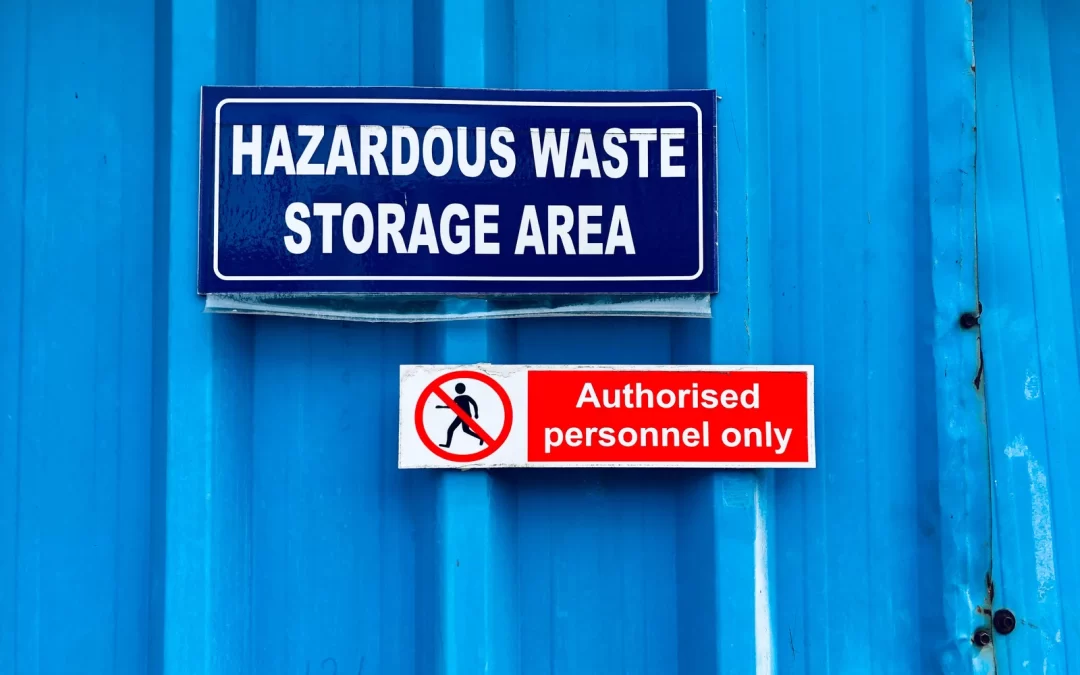
Residents are encouraged to use authorized collection points and special disposal events designed for hazardous materials. These Hazardous Waste Drop Off programs accept a wide range of household chemicals and ensure they’re processed safely.
At these depots, trained staff sort and separate your waste, ensuring that:
- Reusable materials are recycled properly.
- Chemicals are neutralized or treated before disposal.
- Dangerous substances never enter landfills or waterways.
It’s important to note that not all facilities accept every type of waste, so always check ahead to confirm which items are allowed and if there are any limits or fees.
How to Prepare Household Chemicals for Drop Off
Before heading to a drop-off depot, take a few precautions to make the process smooth and safe:
- Keep products in their original containers with labels intact. Never mix chemicals.
- Seal lids tightly to prevent leaks during transport.
- Store containers upright in a sturdy box or plastic bin.
- Avoid overfilling your vehicle — handle small loads if possible.
- Wear gloves if containers are corroded or sticky.
If you come across unmarked or leaking containers, place them inside a sealed plastic bag and inform staff at the drop-off location so they can handle them safely.
Environmental Benefits of Proper Drop Off
When residents use designated depots for hazardous waste, the impact on environment is significant. Safe disposal helps:
- Prevent contamination of soil and water systems.
- Protect fish and wildlife from toxic exposure.
- Keep the community’s air and water clean.
- Reduce the risk of fires or explosions caused by improper storage.
Additionally, some materials collected at hazardous waste depots, like paint, oil, and batteries, are recyclable. By disposing of them correctly, you’re helping conserve resources and reduce the need for new raw materials.
How Businesses in Mission Should Handle Hazardous Waste
It’s not just homeowners who generate hazardous materials. Auto repair shops, cleaning companies, and contractors also produce waste that can’t go into standard bins. These businesses are legally required to use certified waste management providers to dispose of such materials safely.
Hiring a professional Hazardous Waste Disposal Maple Ridge ensures compliance with British Columbia’s environmental laws. It also helps businesses maintain a clean reputation while protecting employees and customers from harmful exposure.
The Dangers of Improper Disposal
Throwing hazardous waste into the regular trash might seem convenient, but the consequences can be severe. Chemicals poured into drains can corrode pipes, damage treatment systems, and eventually reach rivers or groundwater. Flammable or reactive substances can also cause explosions or fires at collection sites.
These risks can be avoided easily by following local waste disposal guidelines and using official drop-off points. It’s a small effort that leads to a big difference for safety and sustainability.
Choose the Smart Way to Work with the Experts
If you’re not sure where or how to dispose of certain materials, it’s always best to consult professionals. Waste management experts know how to identify, collect, and transport hazardous waste safely and legally.
By partnering with a reliable disposal service, you avoid fines, protect your health, and ensure every material ends up where it belongs. It’s an easy, stress-free solution for responsible waste handling.
For safe and certified hazardous waste collection and drop-off solutions, contact Canadian Empire Recycling. Their team provides eco-friendly, legal, and efficient waste management services for homes, businesses, construction projects, and surrounding areas.
They ensure all materials are handled with care, protecting your family, property, and the local environment.