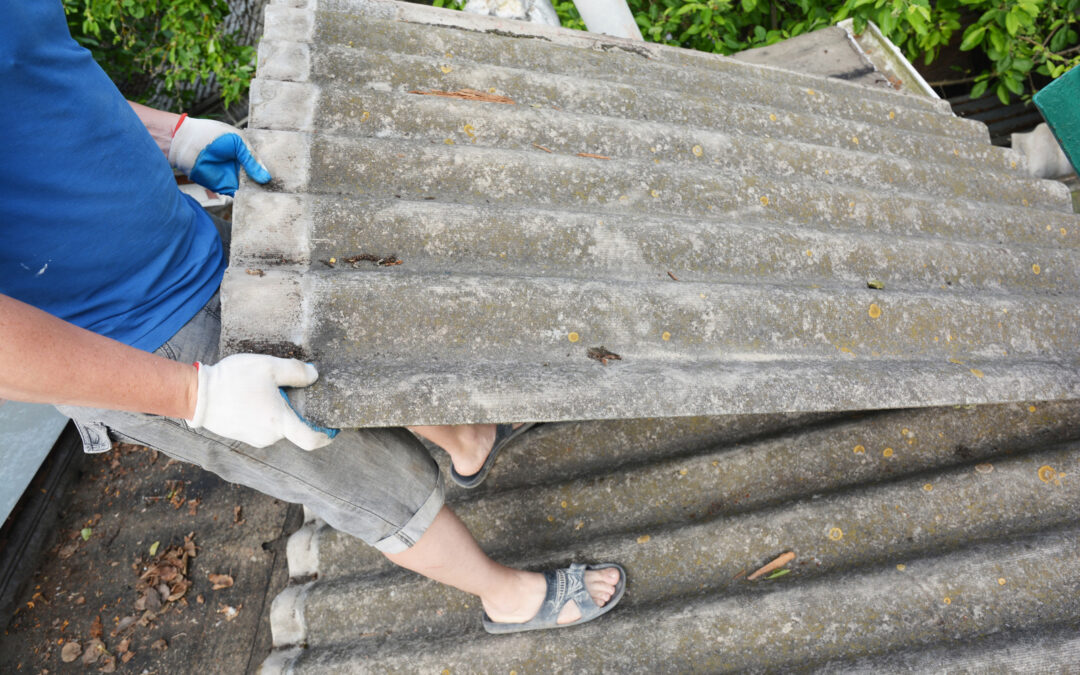
Asbestos was once a popular building material thanks to its heat resistance, durability, and insulating properties. However, today we know it comes with serious health risks. When asbestos-containing materials are disturbed, tiny fibers are released into the air. Breathing in these fibers can cause life-threatening illnesses, including lung cancer, mesothelioma, and asbestosis.
Because of these risks, asbestos is classified as a hazardous material and requires careful handling and disposal. In a community , where older homes and buildings are common, proper management is essential. Unfortunately, not everyone understands the dangers of improper disposal, and the consequences can be severe for both people and the environment.
Why Improper Disposal is So Dangerous
Improper asbestos disposal usually happens when homeowners or contractors attempt DIY removal, cut corners to save costs, or dump waste in unauthorized areas. Here’s why this is so risky:
- Airborne Exposure: Even small amounts of asbestos dust can spread quickly through the air, putting anyone nearby at risk.
- Environmental Contamination: When waste is left in landfills not equipped to handle it, fibers can contaminate soil and water.
- Legal Consequences: Dumping illegally can lead to heavy fines, liability for damages, and criminal charges.
- Health Risks for Workers: Sanitation crews and landfill workers may be unknowingly exposed when waste is hidden in regular garbage loads.
In Mission, regulations strictly prohibit disposing of regular trash. That’s why responsible Asbestos Waste Mission management is so important.
Common Sources of Asbestos
Many older properties still contain materials. Some of the most common places asbestos can be found include:
- Insulation around pipes, boilers, and attics
- Vinyl floor tiles and adhesives
- Roofing shingles and felt
- Siding materials
- Popcorn ceilings and textured paints
- Drywall joint compounds
If you suspect asbestos in your home, never attempt to remove it on your own. Always hire trained professionals who know how to handle and dispose of asbestos safely.
The Health Risks of Improper Disposal
Exposure to asbestos fibers doesn’t cause immediate symptoms, but over time, it can lead to chronic illnesses. Some of the long-term health risks include:
- Mesothelioma: A rare but aggressive cancer affecting the lining of the lungs or abdomen.
- Asbestosis: Scarring of the lung tissue that causes shortness of breath and reduced lung capacity.
- Lung Cancer: Prolonged exposure greatly increases the risk, especially for smokers.
- Other Respiratory Issues: Persistent coughing, chest tightness, and difficulty breathing.
These conditions often develop decades after exposure, which is why safe disposal today is vital for the future health of Mission residents.
Legal Requirements
In British Columbia, disposal is tightly regulated. The Waste Management Act and WorkSafeBC guidelines require:
- Materials containing asbestos are to be properly identified, packaged, and labeled.
- Disposal only at designated facilities authorized to handle.
- Workers handling asbestos are to wear protective equipment and follow safety protocols.
Attempting to cut costs by dumping household garbage is not only dangerous but also illegal. Failing to follow these rules can lead to hefty penalties. For anyone dealing with hazardous waste Mission guidelines, working with certified professionals is the safest choice.
Safe Asbestos Disposal Practices
When it comes to asbestos, safety is everything. Here are key practices followed by certified disposal services:
- Assessment: Suspected materials are tested to confirm content.
- Containment: The area is sealed to prevent fibers from spreading.
- Removal: Professionals use specialized tools and wear protective equipment.
- Packaging: Waste is sealed in approved, clearly labeled containers.
- Transport & Disposal: Materials are delivered to licensed facilities equipped to handle them safely.
These steps ensure that asbestos is removed without risking exposure to residents, workers, or the wider community.
The Role of Professional Services
For both homeowners and contractors, working with a professional disposal service is the best way to stay safe and compliant. Experts not only handle the physical removal but also provide documentation that confirms materials were disposed of legally.
Companies like Canadian Empire Recycling are committed to helping Mission residents manage and other hazardous waste responsibly. With professional support, you can have peace of mind knowing your property, family, and community are protected.
Improper disposal is more than just a mistake; it’s a serious health hazard and a violation of environmental laws. From long-term respiratory illnesses to soil and water contamination, the risks of cutting corners far outweigh any short-term savings.
If you suspect in your home or on your job site, don’t take chances. Call certified professionals who know how to handle, package, and dispose of asbestos safely. For reliable and compliant management, contact Canadian Empire Recycling. We are here to help Mission residents protect both their health and their environment.