
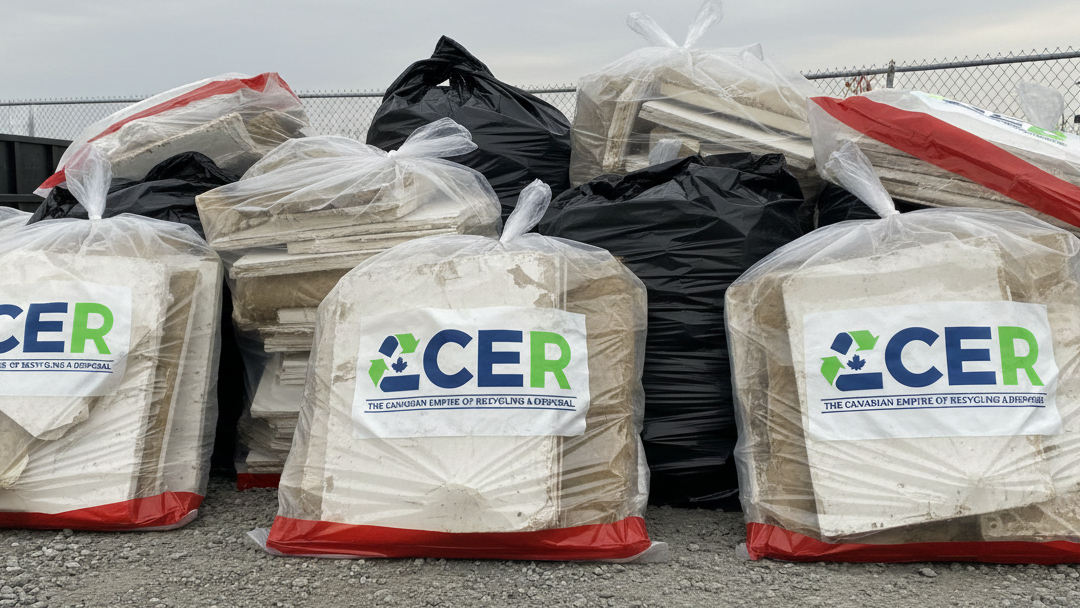
Asbestos remains one of the most tightly regulated construction materials in British Columbia—and for good reason. Despite being banned in new construction, asbestos still exists in many older buildings across Maple Ridge. Contractors, developers, and property managers must know which construction materials are prohibited due to asbestos and how to handle them legally and safely.
Failing to identify and properly dispose of asbestos-containing materials can lead to serious health risks, costly project delays, and heavy fines. This guide explains which construction materials are prohibited due to asbestos, where they are commonly found, and what to do when asbestos is discovered on a job site.
Why Asbestos Is Strictly Regulated in Maple Ridge
Asbestos is a group of naturally occurring minerals once praised for fire resistance and durability. Unfortunately, inhaling asbestos fibres can cause severe illnesses such as asbestosis, lung cancer, and mesothelioma. Because of these risks, asbestos use has been banned in Canada since 2018, and strict disposal rules apply to existing asbestos materials.
In Maple Ridge, asbestos regulations follow WorkSafeBC and provincial environmental standards. Any construction material that contains asbestos—whether intact or damaged—is considered hazardous waste and is prohibited from being mixed with regular construction debris.
Common Construction Materials Prohibited Due to Asbestos
Many prohibited materials are found in buildings constructed before the 1990s. Contractors working on renovations, demolitions, or tenant improvements must stay alert for these materials.
1. Asbestos-Containing Drywall and Joint Compound
Drywall itself may be asbestos-free, but older joint compounds, drywall mud, and tape often contain asbestos. These materials are especially dangerous when sanded or disturbed, releasing microscopic fibres into the air.
2. Vinyl Floor Tiles and Adhesives
One of the most common asbestos-containing materials found on construction sites is vinyl floor tile (typically 9×9 inches) and the black mastic adhesive beneath it. These materials are prohibited from disposal in standard bins due to high asbestos content.
3. Insulation Materials
Pipe insulation, boiler insulation, attic insulation, and duct wrap in older buildings often contain asbestos. These materials are friable, meaning they crumble easily and release fibres, making them especially hazardous during construction activities.
Roofing and Exterior Materials Containing Asbestos
4. Roofing Shingles and Felt
Asphalt roofing shingles, roof felt, and flashing materials manufactured before asbestos bans may contain asbestos. Roofing debris with asbestos cannot be disposed of with standard construction waste in Maple Ridge.
5. Siding and Cement Board
Cement siding, soffits, and exterior panels often contain asbestos fibres. These materials were widely used in residential and commercial buildings for durability and fire resistance.
Mechanical and Electrical Materials with Asbestos
6. HVAC Components
Older HVAC systems may include asbestos in duct insulation, vibration dampers, and fireproofing materials. These components must be carefully removed by trained personnel.
7. Electrical Panels and Wiring Insulation
Asbestos was commonly used in electrical panels, fuse boxes, and wire insulation. These materials are prohibited from standard disposal due to contamination risks.
Why These Materials Are Prohibited from Regular Disposal
Construction materials containing asbestos cannot be disposed of in general waste or mixed construction bins. This includes landfill disposal without proper authorization. These materials require specialized handling, packaging, labelling, and transport under approved hazardous waste procedures.
This is where Commercial Waste Disposal Maple Ridge services play a critical role. Licensed waste providers ensure asbestos materials are separated, documented, and delivered to approved disposal facilities in compliance with provincial laws.
What Happens If Asbestos Is Found During Construction?
If asbestos is discovered during a project in Maple Ridge:
- Stop work immediately in the affected area
- Arrange asbestos testing by certified professionals
- Develop an abatement plan if asbestos is confirmed
- Use licensed removal and disposal services
Attempting to continue work without addressing asbestos can result in fines, stop-work orders, and liability issues.
This is why many contractors partner with specialists experienced in Asbestos Waste Disposal Maple Ridge to ensure compliance from start to finish.
Safe Handling and Disposal Best Practices
- Never break, cut, or grind suspected asbestos materials
- Keep asbestos waste sealed in approved, labelled containers
- Use dedicated asbestos-approved bins only
- Maintain waste tracking documentation
- Follow WorkSafeBC exposure control plans
Mid-project waste planning is essential, and companies like Canadian Empire Recycling help contractors manage asbestos waste streams properly while keeping job sites compliant and safe.
Penalties for Improper Asbestos Disposal
Improper handling or disposal of asbestos-containing materials can result in:
- WorkSafeBC penalties
- Environmental fines
- Project shutdowns
- Lawsuits from worker exposure
- Reputational damage
Understanding which construction materials are prohibited due to asbestos helps avoid these costly consequences.
Asbestos may be hidden, but the risks are very real. From drywall compounds and flooring to insulation and roofing materials, asbestos-containing construction waste requires special attention. Contractors who stay informed and proactive protect their workers, clients, and projects.
For reliable, compliant, and professional asbestos and construction waste solutions, contact Canadian Empire Recycling, which offers trusted services tailored to commercial and construction needs. Their team ensures safe handling, proper documentation, and environmentally responsible disposal so you can focus on completing your project with confidence.