
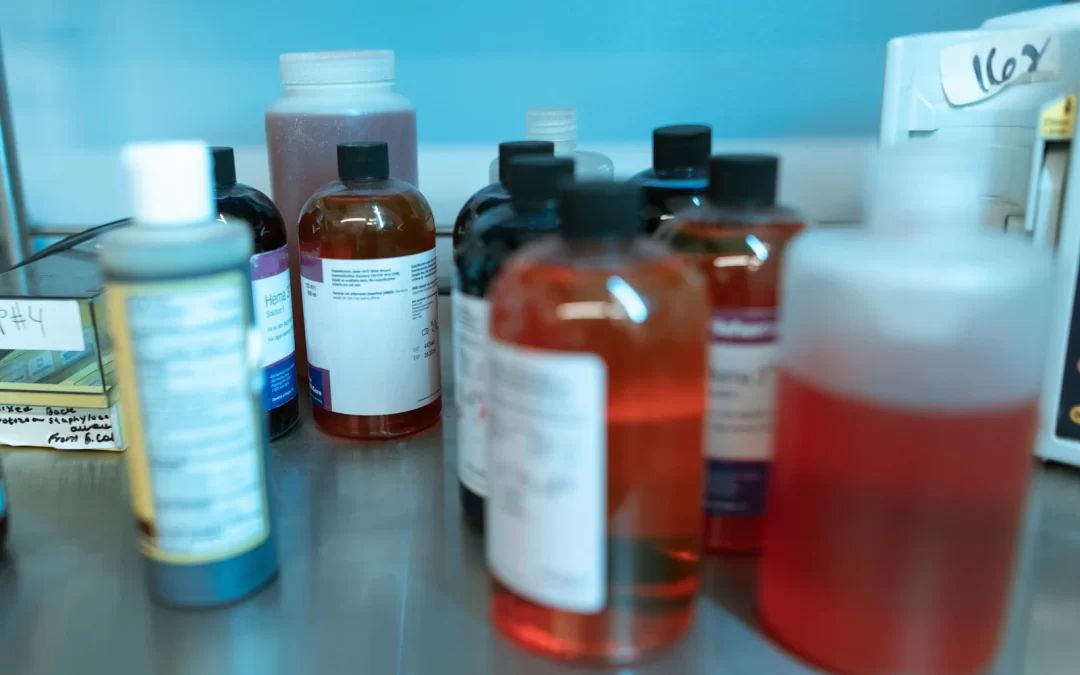
Laboratories are essential to research, education, and innovation in communities across British Columbia. From high school science classrooms to advanced medical and industrial facilities, experiments and testing take place daily. But along with valuable discoveries comes chemical waste, which must be handled responsibly.
When it comes to lab chemicals, disposal is not as simple as pouring substances down the drain or tossing them into the trash. Doing so can cause serious risks to health, safety, and the environment. Professional disposal ensures that these risks are minimized while keeping labs compliant with strict regulations.
The Risks of Improper Chemical Disposal
Lab chemicals may include solvents, acids, bases, heavy metals, and reactive compounds. If handled incorrectly, they can lead to:
- Environmental contamination – Hazardous waste concerns are growing as improper dumping pollutes local soil and water sources. Even small amounts of chemicals can disrupt ecosystems.
- Health hazards – Exposure to toxic chemicals can cause burns, poisoning, lung issues, or even long-term illnesses.
- Fire or explosion risks – Reactive chemicals can ignite or explode if not stored and disposed of properly.
- Legal penalties – Strict provincial and federal regulations govern hazardous waste. Failure to comply can result in fines or loss of operating licenses.
Clearly, professional services are needed to reduce these risks.
Why Professional Disposal Is Necessary
Professional disposal services play a crucial role in safely handling lab chemicals. In areas, Chemical Waste Disposal Delta services ensure that waste is identified, packaged, transported, and treated according to regulations.
Key benefits of professional disposal include:
- Specialized knowledge – Certified technicians understand chemical compatibility and proper handling.
- Safe transport – Chemicals are contained, labeled, and moved in compliance with hazardous materials laws.
- Eco-friendly methods – Solvents may be incinerated, acids neutralized, and heavy metals stabilized to prevent long-term pollution.
- Regulatory compliance – Labs receive disposal manifests and certificates that confirm safe and legal management of chemical waste.
Common Types of Lab Chemical Waste
Laboratories generate a wide variety of waste, each requiring unique handling. Examples include:
- Organic solvents (flammable, toxic)
- Acids and bases (highly corrosive)
- Heavy metals like lead or mercury
- Cytotoxic drugs used in medical research
- Compressed gases
- Unknown or unlabeled substances
Each of these must be disposed of differently, something only professionals can do safely.
The Role of Local Facilities
Many municipalities provide access to waste drop-off locations, but these are not always suitable for lab chemicals. A Drop-off Depot, for example, may accept certain household chemicals, but laboratory waste requires specialized management. Professional services bridge this gap, ensuring that dangerous compounds are safely handled without risk to staff or the public.
Labs’ Responsibility in the Disposal Process
While professional companies do the disposal, labs also carry responsibility for safe handling before pickup:
- Segregating chemicals – Keeping incompatible substances apart.
- Labeling containers – Ensuring all chemicals are clearly identified.
- Storing safely – Using correct containers away from heat or sunlight.
- Reducing waste – Minimizing chemical use wherever possible.
These practices make disposal safer and more efficient.
Case Example
Improper disposal has proven costly for many institutions. In one case, a research facility in Canada faced massive cleanup costs after decades of poor waste management. The incident highlighted how improper handling not only endangers people but also creates financial burdens. Professional disposal could have prevented these problems entirely.
Benefits of Working With Professionals
Choosing a certified hazardous waste disposal company benefits labs by:
- Protecting staff and community health
- Avoiding fines and legal issues
- Reducing liability risks
- Supporting eco-friendly disposal methods
- Building a reputation for responsibility and compliance
For laboratories in Delta, this means safer workplaces and peace of mind knowing that waste is handled properly.
Professional disposal of lab chemicals is not optional; it is a necessity. From protecting public health to preventing environmental harm, safe handling is critical for every laboratory. While municipal facilities, such as a Hazardous Waste Drop-off Depot, may cover basic household waste, labs require specialized services to manage chemical risks responsibly.
If you are operating a facility that generates hazardous waste in Delta, professional assistance is the safest route forward. For reliable solutions in chemical and hazardous waste management, contact Canadian Empire Recycling. Their team ensures compliance, environmental protection, and safe disposal every step of the way.