
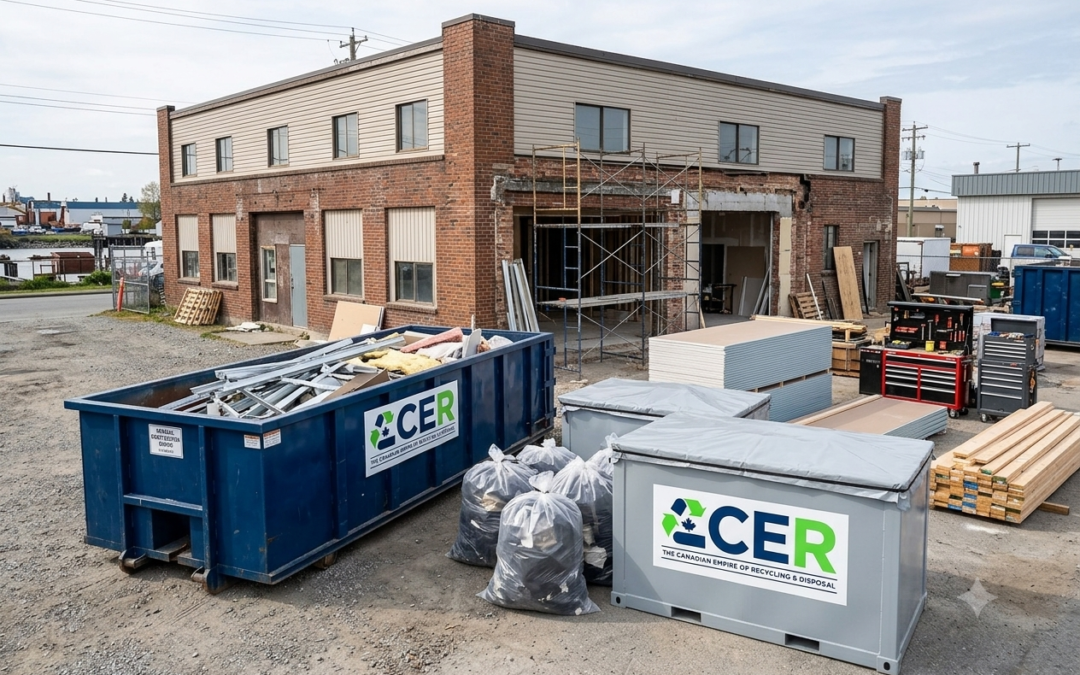
Commercial renovations can generate a wide range of waste, from drywall and flooring to insulation, roofing materials, pipes, and old building components. Most of this material can be handled through standard waste management processes. However, when certain materials contain asbestos, the waste requires a completely different approach.
For businesses carrying out renovations, upgrades, or demolition work in Delta, understanding when ordinary renovation debris becomes asbestos waste is essential. Identifying asbestos-containing materials before they are disturbed can help prevent unnecessary exposure risks, improper disposal, and potential compliance problems.
What Makes Renovation Waste Asbestos Waste?
Renovation waste becomes asbestos waste when discarded materials are known or suspected to contain asbestos and have been removed, damaged, or disturbed during a project.
Asbestos was widely used in many construction materials because of its heat resistance, durability, and insulating properties. Older commercial buildings may therefore contain asbestos in materials that are not immediately recognizable.
Potential asbestos-containing materials can include:
- Insulation and pipe coverings
- Vinyl floor tiles and related adhesives
- Roofing materials
- Cement products
- Drywall joint compounds
- Textured wall or ceiling materials
- Insulation boards
- Some older building panels and construction materials
The appearance of a material alone is generally not enough to confirm whether it contains asbestos. If a building was constructed or renovated during a period when asbestos-containing products were commonly used, professional assessment may be appropriate before renovation work begins.
Why Is Asbestos a Concern During Commercial Renovations?
The main concern is not simply the presence of asbestos-containing material. The greater risk can arise when those materials are disturbed.
Cutting, drilling, breaking, sanding, grinding, or demolishing certain asbestos-containing materials can release asbestos fibres into the surrounding environment. Once airborne, these microscopic fibres can present serious health hazards if inhaled.
This is particularly important on commercial renovation and demolition sites, where multiple workers, contractors, building occupants, and visitors may be present.
For this reason, businesses should not treat suspected asbestos-containing debris in the same way as ordinary construction or renovation waste.
When Should Delta Businesses Suspect Asbestos in Renovation Waste?
There are several situations where additional caution may be necessary.
Renovating an Older Commercial Building
Age is an important consideration when planning renovation work. Older commercial properties may contain building materials installed decades ago, including products that are no longer commonly used.
Before removing walls, ceilings, flooring, insulation, or other older materials, businesses should determine whether asbestos may be present.
Demolishing Existing Structures
Partial or complete demolition can disturb numerous building components at once. Materials that were previously intact may become broken or damaged during demolition.
If asbestos-containing materials are present, demolition debris may require specialized handling rather than being placed into a regular construction waste stream.
Removing Old Flooring
Some older flooring systems may contain asbestos in tiles, backing, or adhesives. Removing these materials without first determining their composition can create unnecessary risks.
Working Around Insulation or Pipes
Older insulation, pipe coverings, and mechanical-system components can potentially contain asbestos. Renovation work involving mechanical rooms, pipes, boilers, or older insulation should therefore be approached carefully.
Can Businesses Simply Put Suspected Asbestos in a Regular Waste Bin?
No. Businesses should not assume that suspected asbestos-containing material can be mixed with ordinary renovation debris.
Regular commercial waste streams are designed for materials that can be safely handled through standard collection, transportation, processing, recycling, or disposal procedures. Asbestos-containing waste requires different controls because of the potential risks associated with fibre release.
Mixing asbestos-containing debris with general construction waste can also make an entire load more difficult to manage and may create additional handling and disposal complications.
Before placing potentially contaminated materials into a waste container, businesses should determine the appropriate requirements for identification, removal, containment, transportation, and disposal.
How Can Businesses Prevent Asbestos Waste From Becoming a Renovation Problem?
Planning is one of the most effective ways to manage asbestos-related waste.
1. Assess the Building Before Work Starts
If asbestos may be present, businesses should consider an appropriate assessment before renovation or demolition begins. Identifying materials early can help determine how the project should proceed.
2. Avoid Disturbing Suspected Materials
Workers should not cut, break, drill, sand, or otherwise disturb materials simply to determine what they are. Suspected asbestos-containing materials should be managed through appropriate professional procedures.
3. Separate Asbestos Waste From Other Debris
Once asbestos-containing materials are identified and removed, they should not be mixed with ordinary renovation waste. Keeping waste streams properly separated can help reduce contamination and simplify subsequent handling.
4. Plan Waste Management Before Demolition
Waste planning should be part of the renovation process rather than something considered after materials have already been removed. Businesses can identify potential waste categories and determine which materials require specialized handling before work begins.
5. Use Appropriate Disposal Services
Asbestos-containing waste should be directed through suitable disposal processes. Businesses should confirm that their chosen waste provider can handle the specific type of asbestos waste generated by their project.
How Is Asbestos Waste Different From Other Commercial Renovation Waste?
Ordinary renovation waste may include materials such as clean wood, metal, cardboard, concrete, and other construction debris. Depending on the material, some of these items may be suitable for recycling or conventional disposal.
Asbestos waste is different because the priority is safe containment and handling rather than simply removing the material from the job site.
This distinction is particularly important for businesses looking for Commercial Waste Disposal Delta services. Not every commercial waste provider is equipped or authorized to manage asbestos-containing materials, so businesses should identify their requirements before scheduling waste collection.
What Should Contractors and Property Managers Do With Asbestos-Containing Debris?
Contractors and property managers should establish a clear waste management plan before asbestos-related renovation work begins.
The plan may need to address:
- Identification of suspected asbestos-containing materials
- Appropriate assessment before disturbance
- Safe removal procedures
- Separation and containment of asbestos waste
- Transportation requirements
- Proper disposal
- Documentation and site coordination
Clear communication between property owners, contractors, workers, and waste service providers can help prevent asbestos waste from accidentally entering the regular commercial waste stream.
Why Proper Asbestos Waste Disposal Matters in Delta
For Delta businesses, proper waste management is about more than keeping a renovation site clean. Incorrectly handling asbestos-containing debris can create health, environmental, and regulatory concerns.
Businesses should also remember that asbestos waste generated during renovation is not simply another category of construction debris. It needs to be managed according to the applicable requirements for asbestos-containing materials and waste.
Choosing the right waste management approach before renovation begins can help businesses avoid last-minute disposal problems and keep asbestos-containing materials appropriately separated from other waste.
How Can Delta Businesses Plan Better for Asbestos Waste?
The best time to address Asbestos Waste Disposal Delta is before renovation or demolition begins.
A business planning work on an older commercial property can start by identifying the age and history of the building, determining whether asbestos-containing materials may be present, and arranging appropriate assessment where necessary. Waste requirements can then be incorporated into the project plan.
This proactive approach can make it easier to distinguish recyclable materials, general renovation debris, and hazardous waste materials that require specialized handling.
For businesses that need help managing commercial renovation debris, Canadian Empire Recycling & Disposal can help you plan appropriate waste management solutions for your project. Contact Canadian Empire Recycling & Disposal to discuss your commercial waste requirements and asbestos-related disposal needs in Delta.