
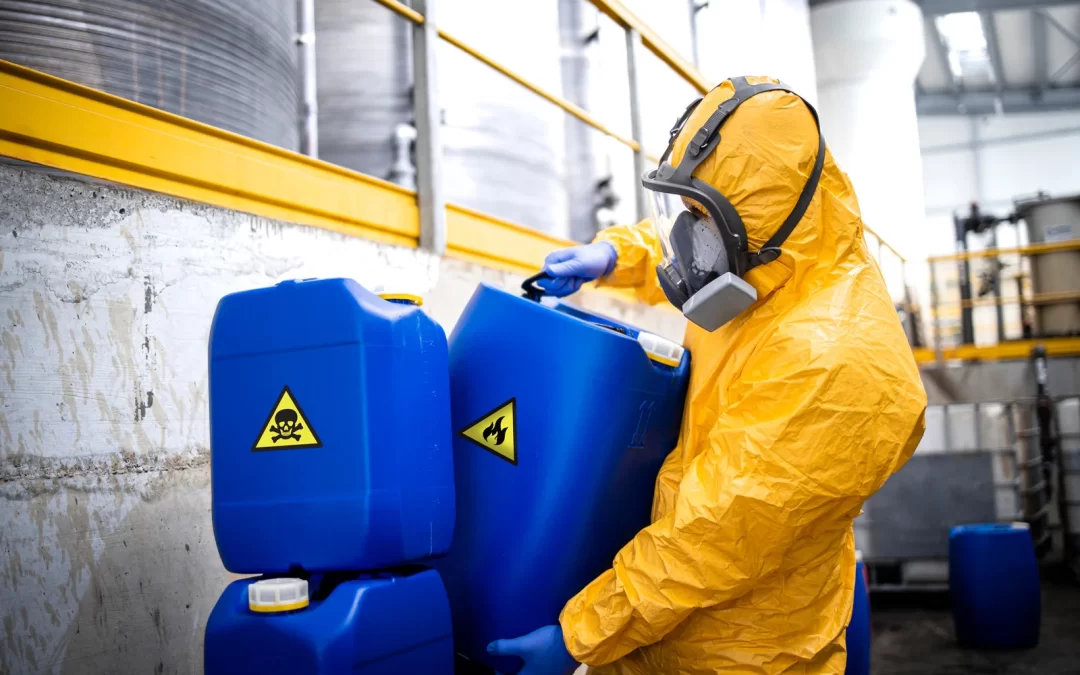
Proper hazardous waste handling is not just an environmental responsibility—it’s a legal requirement for businesses, contractors, and property managers in Delta, BC. Misplacing a single restricted item in the wrong bin can lead to safety hazards, regulatory fines, and costly cleanup issues. Understanding what materials are allowed—and which are strictly prohibited in hazardous waste disposal bins helps you stay compliant and protect both people and the environment.
Why Hazardous Waste Rules Matter
Hazardous waste contains materials that are flammable, corrosive, toxic, or reactive. When disposed of improperly, these substances can contaminate soil and water, cause fires or chemical reactions, and expose workers to serious health risks.
Delta follows provincial and federal regulations that require waste materials to be:
- Identified correctly
- Stored in approved containers
- Transported by licensed carriers
- Disposed of at authorized facilities
Failure to follow these guidelines can result in inspection violations, stop-work orders, and environmental penalties.
What Can Go in Hazardous Waste Disposal Bins
Hazardous waste bins are designed to safely contain specific regulated materials. When handled correctly, they reduce risks during storage, transport, and processing.
1. Chemical Waste
Approved hazardous bins can contain:
- Industrial chemicals
- Cleaning solvents
- Degreasers
- Laboratory chemicals
- Chemical residues from manufacturing or maintenance
All chemicals should remain in sealed, labeled containers to prevent leaks and reactions.
2. Paints, Coatings, and Adhesives
Many liquid coatings qualify as hazardous waste, including:
- Oil-based paints
- Stains and varnishes
- Paint thinners
- Epoxies and industrial adhesives
These materials must never be poured down drains or mixed with general waste due to their toxicity and flammability.
3. Automotive and Mechanical Fluids
Hazardous waste bins commonly accept:
- Used motor oil
- Brake fluid
- Transmission fluid
- Antifreeze
- Fuel-contaminated absorbents
Automotive businesses and contractors often generate these materials during routine maintenance and repairs.
4. Batteries and Electrical Waste
Certain battery types are considered hazardous, including:
- Lead-acid batteries
- Lithium-ion batteries
- Industrial battery packs
When improperly discarded, batteries pose fire and chemical leakage risks, making regulated disposal essential.
5. Contaminated Solids
Some solid materials become hazardous once contaminated, such as:
- Rags soaked with chemicals or oil
- Absorbent pads
- Filters used in industrial processes
- Protective gear exposed to hazardous substances
These items must be segregated from non-hazardous debris.
What Can’t Go in Hazardous Waste Disposal Bins
Not everything dangerous belongs in a standard waste bin. Certain materials require specialized handling or separate disposal methods.
1. Explosives and Pressurized Containers
Items that are strictly prohibited include:
- Aerosol cans with contents remaining
- Gas cylinders
- Propane tanks
- Fireworks or explosive materials
These items pose extreme risks during transport and must be managed through specialized programs.
2. Biomedical and Biohazard Waste
Medical-related waste is regulated separately and must never be mixed with toxic materials, including:
- Sharps
- Medical waste
- Biological samples
- Pharmaceutical waste
Healthcare facilities must use licensed biomedical disposal services.
3. Asbestos-Containing Materials
Asbestos waste requires its own sealed containment and disposal protocols. It cannot be mixed with general waste due to airborne health risks.
4. Radioactive Materials
Radioactive waste follows federal-level regulations and cannot be placed in standard bins under any circumstances.
5. Household Garbage or Construction Debris
General waste such as:
- Wood
- Drywall
- Packaging
- Food waste
should never be placed in waste bins, as it contaminates the load and increases disposal costs.
Common Mistakes That Lead to Violations
Many violations occur due to misunderstanding, not negligence. Common errors include:
- Mixing incompatible chemicals
- Using unlabelled containers
- Overfilling bins
- Placing prohibited items inside containers
- Assuming all “dangerous-looking” waste qualifies as hazardous
Proper training and clear signage help prevent these costly mistakes.
Understanding Hazardous Waste Disposal in Delta
Hazardous Waste Disposal Delta services are structured to ensure waste is collected, transported, and processed in line with provincial environmental standards. Businesses are responsible for identifying waste types accurately and ensuring proper segregation before pickup.
Using licensed providers ensures documentation, manifests, and compliance records are handled correctly, critical during audits or inspections.
When to Use a Hazardous Waste Drop-Off Location
Some small businesses and individuals may qualify for Hazardous Waste Drop Off Delta programs rather than scheduled pickups. These facilities accept limited quantities of approved materials and often require preparation and documentation.
Drop-off services are ideal for:
- Small renovation projects
- Limited chemical disposal
- Automotive maintenance waste
- One-time cleanup jobs
Always confirm accepted materials before arriving to avoid refusal.
Best Practices for Safe Hazardous Waste Disposal
To stay compliant and safe:
- Clearly label all waste containers
- Keep incompatible materials separate
- Use approved containers only
- Train staff on disposal procedures
- Schedule regular waste audits
- Work with licensed disposal providers
These steps protect workers, reduce liability, and support environmental responsibility.
Why Professional Disposal Services Matter
Professional waste disposal companies do more than haul waste; they provide:
- Waste classification support
- Proper container selection
- Regulatory compliance
- Safe transportation
- Documentation and tracking
Canadian Empire Recycling works with commercial and industrial clients to ensure waste is handled safely and responsibly across the region.
Get Compliant Hazardous Waste Disposal Support
Whether you manage a construction site, industrial facility, or commercial property, working with a licensed provider is essential. Canadian Empire Recycling offers compliant waste disposal solutions designed to meet Delta’s regulatory requirements while minimizing risk and environmental impact.
Contact Canadian Empire Recycling to schedule waste pickup, get expert guidance, and ensure your waste is disposed of safely and legally.