
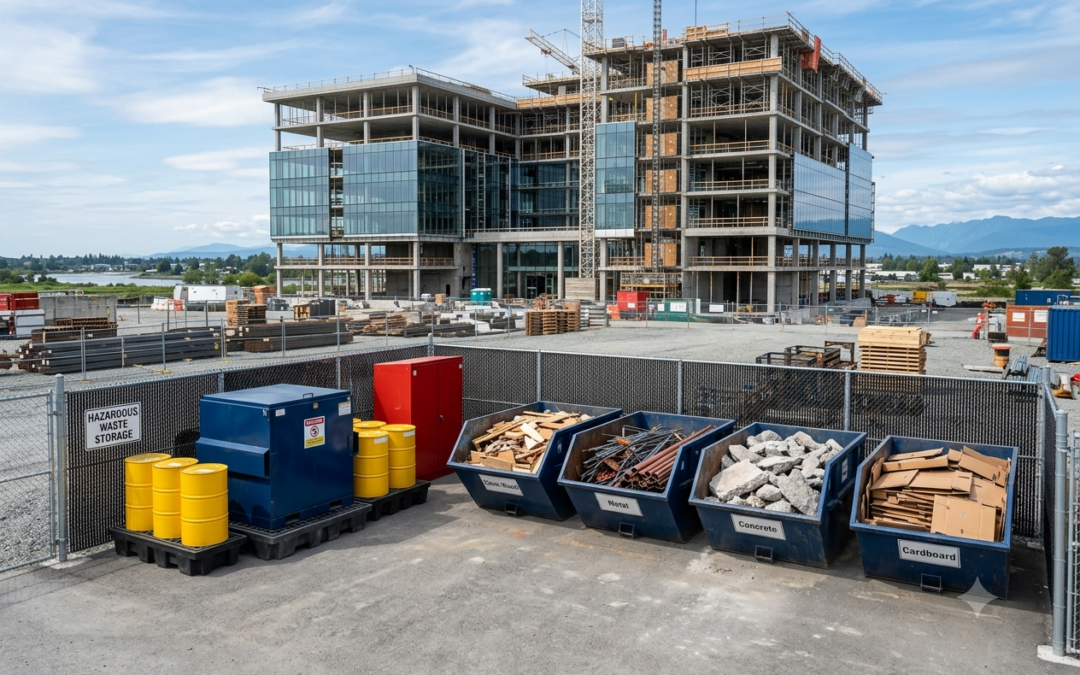
Construction and demolition projects generate a wide variety of waste materials, from concrete and wood to paints, solvents, and chemicals. While many materials can be recycled, hazardous waste requires specialized handling. Mixing hazardous materials with general construction debris can create serious safety, environmental, and financial consequences.
Whether you’re managing a commercial renovation, demolition project, or new development, understanding why waste separation matters can help protect your workers, reduce disposal costs, and support responsible Commercial Waste Disposal Delta practices.
Why Waste Separation Matters
Construction waste is not all the same. Materials such as clean wood, scrap metal, cardboard, and concrete can often be recycled, while hazardous materials require specialized collection and disposal.
Keeping these waste streams separate improves recycling efficiency and ensures dangerous materials are handled through professional Hazardous Waste Disposal Delta services.
What Counts as Hazardous Waste?
Construction sites commonly produce hazardous materials that should never be mixed with general waste.
Examples include:
- Paints and paint thinners
- Solvents and adhesives
- Oils and lubricants
- Chemical containers
- Batteries
- Aerosol cans
- Fluorescent light tubes
- Lead-based paint debris
- Asbestos-containing materials
- Contaminated absorbent materials
Proper identification of these materials is essential before disposal begins.
The Risks of Mixing Hazardous Waste with Construction Waste
Increased Safety Hazards
Workers handling mixed waste may unknowingly come into contact with toxic substances. This increases the risk of chemical exposure, injuries, and contamination during collection and transportation.
Contaminated Recyclable Materials
When hazardous materials are mixed with recyclable construction debris, clean materials often become unusable. This reduces recycling opportunities and limits the effectiveness of Commercial Waste Recycling Delta programs.
Higher Disposal Costs
Contaminated loads usually require additional sorting or specialized disposal methods. Businesses may face higher transportation costs, increased landfill fees, and unexpected project expenses.
Environmental Damage
Hazardous substances can leak into soil, groundwater, or nearby storm drains if waste is not properly contained. Responsible waste separation helps reduce environmental risks and supports sustainable construction practices.
How Proper Waste Separation Benefits Construction Projects
Separating hazardous materials from general Construction Waste Delta provides several advantages.
These include:
- Improved worker safety
- Cleaner recycling streams
- Lower disposal costs
- Better site organization
- Reduced contamination risks
- More efficient waste collection
- Improved project planning
A structured waste management plan keeps construction sites running more efficiently from start to finish.
Best Practices for Managing Construction Waste
Construction companies can reduce risks by following a few simple waste management practices.
- Identify hazardous materials before demolition begins.
- Use clearly labeled containers for different waste streams.
- Store hazardous waste in designated secure areas.
- Train workers on proper waste segregation procedures.
- Schedule waste pickups before containers become overloaded.
- Keep recyclable materials separate from hazardous substances at all times.
These practices help improve both project efficiency and environmental responsibility.
Why Early Planning Saves Time and Money
Waiting until demolition is underway to deal with hazardous materials often creates unnecessary delays. Identifying hazardous waste during the planning stage allows contractors to organize collection schedules, prepare storage areas, and avoid costly contamination issues later in the project.
A proactive approach also makes waste handling more efficient throughout the construction process.
Choose the Right Waste Management Partner
Construction projects require reliable waste management solutions that protect both people and the environment. Working with an experienced provider helps ensure hazardous materials are handled safely while maximizing recycling opportunities for non-hazardous construction debris.
Proper planning and waste separation not only improve project efficiency but also support cleaner, safer construction sites across Delta.
Keep Your Delta Construction Project on Track
If your construction or renovation project requires dependable waste management support, Canadian Empire Recycling & Disposal is here to help. Our experienced team provides safe, reliable solutions that help businesses manage construction-related waste efficiently while maintaining a clean, compliant, and environmentally responsible job site. Contact Canadian Empire Recycling & Disposal today to discuss the right waste management solution for your Delta project.