
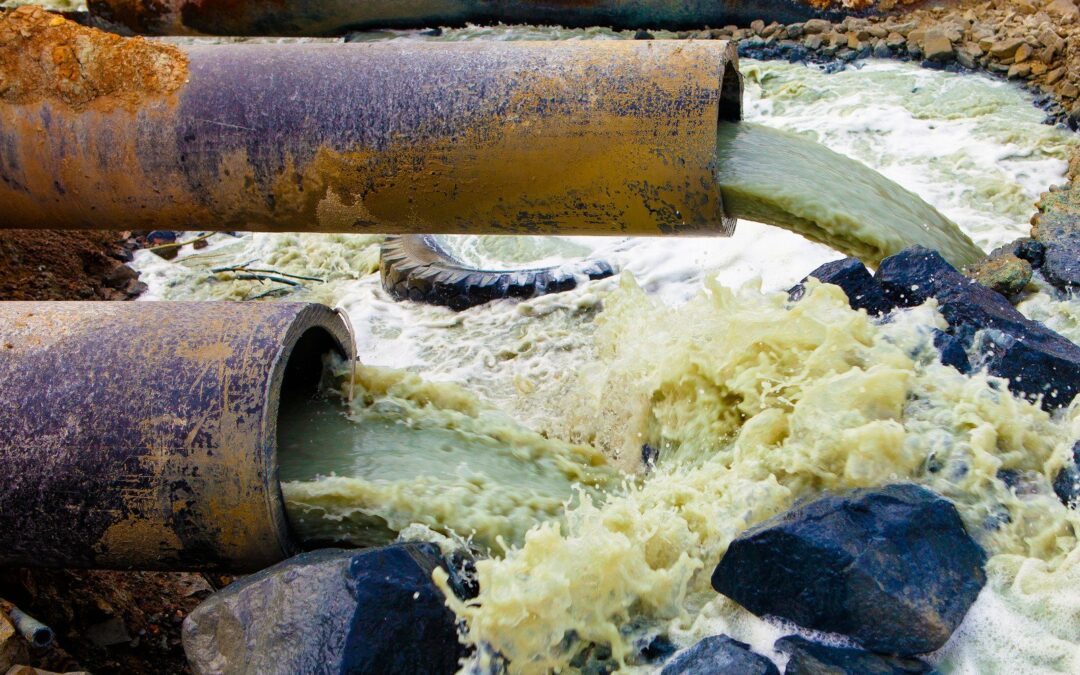
Proper chemical waste disposal is a serious responsibility for homeowners, businesses, contractors, and industrial operators in Delta. Chemical products are widely used in cleaning, construction, manufacturing, automotive work, landscaping, and even everyday household maintenance. When these substances are discarded incorrectly, they can contaminate soil, water systems, and air, posing risks to public health and the environment. Understanding what qualifies as chemical waste and knowing what can and can’t go into approved disposal streams is essential for staying compliant and protecting the community.
What Is Chemical Waste?
Chemical waste refers to discarded substances that contain hazardous or potentially harmful chemicals. These materials may be corrosive, toxic, flammable, reactive, or environmentally damaging. Chemical waste can exist in liquid, solid, gas, or sludge form and may come from homes, commercial sites, laboratories, workshops, or construction projects.
Chemical waste is often regulated because improper handling can result in chemical burns, fires, groundwater contamination, and long-term ecological damage.
What CAN Go in Chemical Waste Disposal?
Approved chemical waste disposal programs are designed to safely handle a wide range of materials. Items typically accepted include:
Household Chemicals
Many common household products become chemical waste when they are no longer usable. These include:
- Paints, stains, and varnishes
- Paint thinners and solvents
- Pesticides, herbicides, and insecticides
- Pool chemicals
- Strong cleaning agents such as bleach, ammonia, or drain cleaners
Automotive and Mechanical Chemicals
Auto-related chemicals must never be poured down drains or tossed in regular garbage. Acceptable items include:
- Motor oil and transmission fluid
- Brake fluid and power steering fluid
- Fuel additives and degreasers
- Antifreeze and coolants
Construction and Renovation Chemicals
Contractors and renovators often generate chemical waste through:
- Adhesives, epoxies, and sealants
- Roofing tar and asphalt-based products
- Concrete additives and curing agents
- Solvent-based coatings
Industrial and Commercial Chemicals
Businesses may need approved disposal for:
- Manufacturing byproducts
- Chemical cleaners and disinfectants
- Laboratory reagents
- Process chemicals and residues
Managing these materials properly is essential for compliance with Chemical Waste Delta regulations and environmental safety standards.
What CANNOT Go in Chemical Waste Disposal?
While chemical waste programs handle many hazardous materials, some items are restricted or require specialized disposal methods.
Explosive or Highly Reactive Materials
These materials pose extreme safety risks and are usually prohibited without special arrangements:
- Explosives and fireworks
- Pressurized gas cylinders
- Peroxide-forming chemicals
Radioactive and Biomedical Waste
These require licensed facilities and are not accepted in standard chemical waste streams:
- Radioactive materials
- Medical sharps and biohazards
- Pathological or infectious waste
Asbestos and Certain Construction Materials
Asbestos-containing materials, lead-based products, and mercury devices often fall under separate hazardous waste categories and must be handled by trained professionals.
Unknown or Unlabeled Chemicals
Unidentified substances create safety hazards. Facilities may refuse acceptance unless the contents are tested and properly labeled.
Why Proper Chemical Waste Disposal Matters
Improper disposal doesn’t just harm the environment it can lead to serious legal and financial consequences. Dumping chemicals into drains, soil, or general garbage can result in fines, cleanup costs, and liability claims.
For residents and businesses, using approved Hazardous Waste Disposal Delta services helps ensure chemicals are neutralized, recycled, or treated according to provincial and federal standards. It also reduces the risk of chemical exposure to sanitation workers and the general public.
Chemical Waste vs Other Hazardous Waste
Chemical waste is one category within the broader hazardous waste classification. While chemical waste focuses on reactive or toxic substances, hazardous waste can also include:
- Batteries
- Electronics
- Flammable solids
- Corrosive materials
Knowing the difference helps ensure materials are routed to the correct disposal stream and accepted without delay. When in doubt, professional waste management providers can help identify the proper category.
How to Prepare Chemical Waste for Disposal
To ensure safe handling and acceptance:
- Keep chemicals in original containers whenever possible
- Clearly label contents if transferred
- Do not mix different chemicals
- Secure lids tightly to prevent leaks
- Store in a cool, dry area away from ignition sources
Proper preparation is especially important when using a Hazardous Waste Drop Off Delta location, as staff must quickly identify and safely process materials.
Common Mistakes to Avoid
Many disposal issues arise from avoidable errors:
- Pouring chemicals down sinks or storm drains
- Mixing incompatible chemicals
- Throwing liquid chemicals in the household trash
- Leaving waste exposed or unlabeled
Avoiding these mistakes protects both the environment and your own safety.
Choosing a Professional Chemical Waste Disposal Partner
Not all chemical waste situations can be handled through drop-off programs alone. Businesses, contractors, and large-scale projects often require scheduled pickups, documentation, and regulatory compliance support.
This is where professional services make a significant difference.
Trusted Chemical Waste Disposal Support
For residents, contractors, and businesses looking for reliable chemical waste solutions, Canadian Empire Recycling provides professional, compliant, and environmentally responsible disposal services. Their experienced team handles a wide range of chemical and hazardous materials while ensuring all local and provincial regulations are met.
Whether you need guidance on sorting chemical waste, arranging pickups, or managing ongoing disposal needs, Canadian Empire Recycling offers dependable support tailored to Delta’s requirements.
If you’re unsure about what can or can’t be disposed of, contact Canadian Empire Recycling to ensure your chemical waste is handled safely, legally, and with minimal environmental impact.