
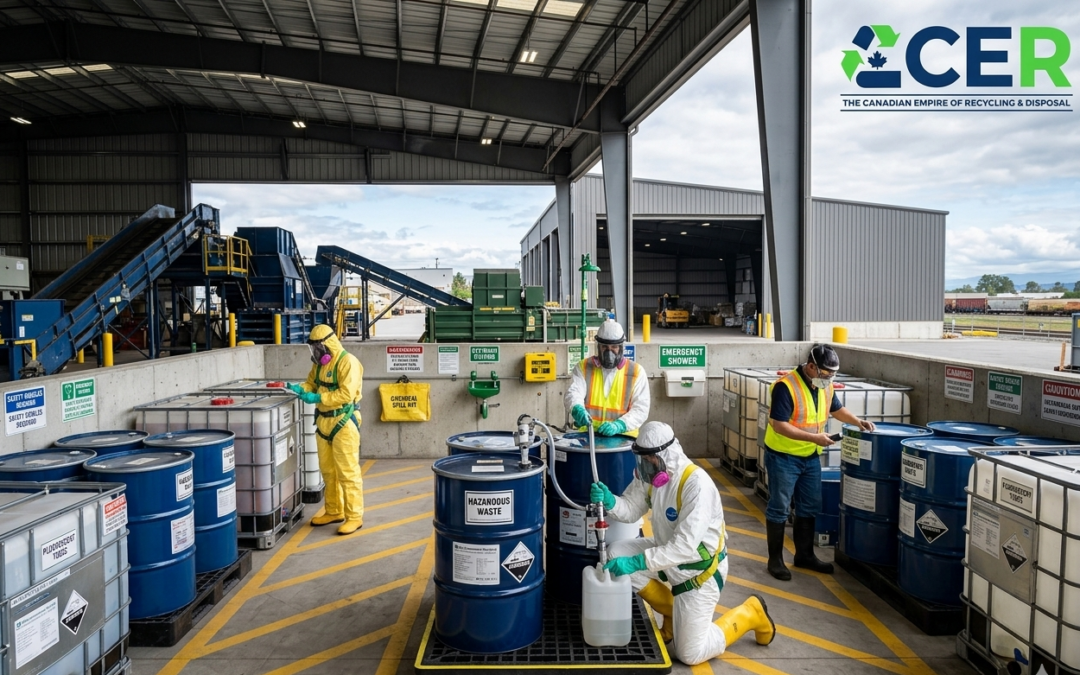
Hazardous waste is a serious concern for both homeowners and businesses. Items such as chemicals, batteries, paints, and cleaning products can cause harm to people, property, and the environment if they are not disposed of properly. In growing communities like Delta, responsible waste management plays an important role in protecting public health and the local ecosystem.
Many people are unaware that common household or commercial items can be classified as hazardous waste. When these materials are thrown away with regular garbage, they can contaminate soil, water, and air. Understanding how to manage and dispose of hazardous materials safely is essential for maintaining a clean and safe community.
What Is Hazardous Waste?
Hazardous waste refers to any material that can pose a threat to human health or the environment due to its chemical, toxic, corrosive, or flammable properties.
Common examples of hazardous waste include:
- Paints and paint thinners
- Automotive fluids such as oil and antifreeze
- Household cleaners and chemicals
- Batteries and electronic waste
- Pesticides and herbicides
- Fluorescent light bulbs
- Solvents and adhesives
Because these materials contain harmful substances, they must be handled and disposed of carefully.
Why Proper Hazardous Waste Disposal Matters
Improper disposal of hazardous materials can lead to serious environmental and health issues. Toxic chemicals can seep into groundwater or pollute nearby rivers and oceans. When hazardous waste is burned or buried incorrectly, it may release dangerous fumes into the air.
Responsible disposal helps:
- Protect water and soil quality
- Prevent chemical exposure for people and animals
- Reduce pollution in the environment
- Ensure compliance with waste management regulations
By following proper disposal practices, residents and businesses can contribute to a safer and healthier community.
Tip #1: Identify Hazardous Materials in Your Home or Business
The first step toward safe disposal is identifying which items qualify as hazardous waste. Many products include warning labels that indicate they contain toxic or dangerous substances.
Look for labels such as:
- Flammable
- Corrosive
- Toxic
- Poison
- Explosive
If a product carries any of these warnings, it should never be thrown away with regular garbage or poured down the drain.
Tip #2: Store Hazardous Waste Safely
Proper storage is essential before hazardous waste can be disposed of. Improper storage may lead to leaks, spills, or chemical reactions.
Follow these storage guidelines:
- Keep materials in their original containers
- Seal containers tightly to prevent leaks
- Store chemicals in cool, dry places away from heat
- Keep hazardous materials out of reach of children and pets
- Avoid mixing different chemicals
Safe storage minimizes the risk of accidents while waiting for disposal.
Tip #3: Never Pour Chemicals Down Drains
One of the most common mistakes people make is pouring chemicals into sinks, toilets, or outdoor drains. Many hazardous materials can contaminate local water systems when disposed of this way.
Substances such as paint, solvents, and motor oil should never be poured into drains or stormwater systems. Instead, they should be taken to proper disposal facilities that can handle hazardous materials safely.
Tip #4: Separate Hazardous Waste from Regular Trash
Mixing hazardous materials with regular garbage can create safety risks for waste collection workers and recycling facilities. Chemicals may react with other materials or release toxic fumes.
Always separate hazardous waste items from regular household trash and store them in designated containers until they can be disposed of properly.
Tip #5: Use Designated Drop-Off Facilities
Many communities provide special locations where residents can safely dispose of hazardous materials. These facilities are designed to handle chemicals and other dangerous substances in a controlled environment.
Using a Hazardous Waste Drop Off Delta location ensures that materials are collected, transported, and processed according to environmental regulations.
Drop-off programs help prevent hazardous waste from entering landfills or contaminating natural ecosystems.
Tip #6: Follow Local Waste Disposal Guidelines
Different municipalities have specific rules regarding hazardous waste disposal. These regulations help ensure that dangerous materials are managed safely.
Before disposing of hazardous items, check local guidelines to learn:
- Which materials are accepted for disposal
- Proper packaging requirements
- Approved disposal locations
- Special instructions for certain chemicals
Following these guidelines helps avoid fines and ensures responsible waste management.
Tip #7: Work With Professional Disposal Services
For businesses or large-scale waste removal projects, professional hazardous waste disposal services are often the best solution. These companies have the equipment and expertise needed to handle dangerous materials safely.
Professional services can assist with:
- Safe collection and transportation
- Proper chemical handling
- Regulatory compliance
- Environmentally responsible disposal methods
Hiring professionals helps ensure that hazardous waste disposal Delta is managed according to safety standards.
Environmental Benefits of Proper Hazardous Waste Disposal
Responsible disposal practices offer several environmental advantages. Hazardous materials can often be treated, neutralized, or recycled in specialized facilities.
These processes help:
- Reduce pollution in water and soil
- Prevent harmful chemical exposure
- Recover reusable materials
- Protect wildlife and ecosystems
By choosing safe disposal methods, residents and businesses contribute to a cleaner and more sustainable environment.
Hazardous waste disposal is an important responsibility for both homeowners and businesses in Delta. From chemicals and paints to batteries and automotive fluids, many everyday products contain substances that must be handled carefully.
By identifying hazardous materials, storing them properly, separating them from regular waste, and using approved disposal facilities, you can significantly reduce environmental risks. Safe disposal practices not only protect your property but also help preserve the health of your community and local ecosystems.
For reliable and environmentally responsible hazardous waste solutions, Canadian Empire Recycling & Disposal offers professional disposal services for residential and commercial clients. Their experienced team ensures hazardous materials are handled, transported, and processed safely while following environmental regulations. Contact Canadian Empire Recycling & Disposal to learn more about their waste management services and keep your property safe and clean.