
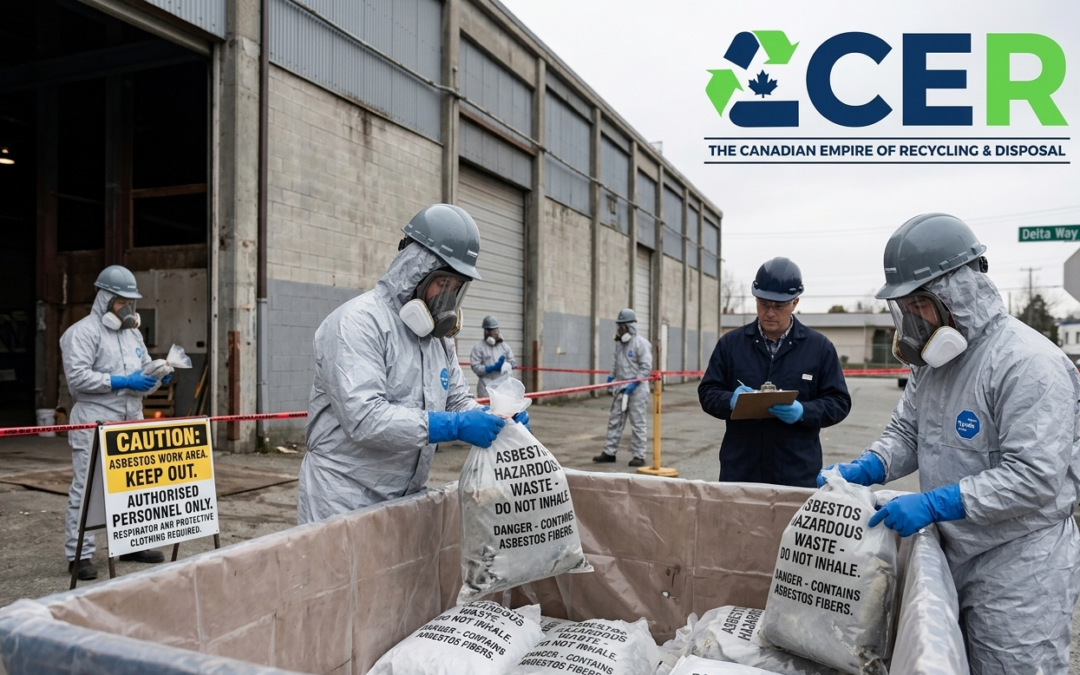
Managing asbestos waste in commercial settings is not something businesses can afford to take lightly. From strict environmental regulations to serious health risks, improper handling of asbestos can lead to legal penalties, costly delays, and long-term damage to your company’s reputation. That’s why understanding the smart way to manage commercial asbestos waste disposal is essential for businesses operating in Delta.
Understanding the Risks of Asbestos in Commercial Spaces
Asbestos is a hazardous material once widely used in construction for its heat resistance and durability. However, exposure to asbestos fibers can cause severe health conditions, including lung diseases and cancer. Materials containing asbestos may still be present in older commercial buildings, especially in insulation, roofing, flooring, and wall systems.
When disturbed during renovations or demolitions, these fibers become airborne, posing a significant threat to workers, occupants, and even nearby communities. This is why proper disposal is not just recommended—it’s legally required.
Why Professional Handling Matters
Attempting to manage asbestos waste without proper expertise can be extremely dangerous. Certified professionals follow strict safety protocols, use specialized equipment, and comply with local and federal regulations to ensure safe removal and disposal.
Hiring experts for Commercial Waste Disposal Delta ensures that every step—from identification to transportation and final disposal—is handled correctly. This reduces liability risks and guarantees that your business remains compliant with environmental laws.
Regulatory Compliance and Legal Responsibilities
Commercial property owners and managers in Delta must adhere to strict guidelines when dealing with asbestos. Regulations dictate how asbestos should be identified, contained, transported, and disposed of.
Failure to comply can result in:
- Heavy fines and legal action
- Worksite shutdowns
- Health hazards for employees and customers
- Damage to your brand reputation
Working with licensed disposal companies helps ensure full compliance, proper documentation, and peace of mind.
The Smart Process for Asbestos Waste Management
A well-planned approach is key to safe and efficient waste disposal. Here’s what a smart management process typically looks like:
- Inspection and Assessment
Before any work begins, a professional inspection identifies asbestos-containing materials (ACMs). This step determines the extent of contamination and the safest removal strategy. - Containment and Safety Measures
The affected area is sealed off using specialized barriers to prevent fibers from spreading. Workers wear protective gear and follow strict safety protocols. - Safe Removal
Trained technicians carefully remove materials using industry-approved methods. This minimizes the release of harmful fibers into the air. - Secure Packaging and Transportation
Asbestos waste is sealed in labeled, leak-proof containers and transported to approved disposal facilities. - Proper Disposal
The waste is disposed of according to environmental regulations, ensuring no harm to the public or ecosystem.
Choosing the Right Disposal Partner
Not all waste disposal companies are equipped to handle asbestos. When selecting a service provider, consider the following:
- Certification and licensing
- Experience with commercial projects
- Knowledge of local regulations
- Proper safety equipment and procedures
- Transparent pricing and documentation
A reliable partner will guide you through the entire process, ensuring safety and compliance at every stage.
Environmental Responsibility and Sustainability
Proper asbestos disposal isn’t just about safety—it’s also about protecting the environment. Responsible disposal methods prevent contamination of soil, air, and water sources.
Businesses that prioritize eco-friendly waste management demonstrate corporate responsibility, which can enhance their reputation and build trust with clients and stakeholders.
Cost Considerations for Businesses
The cost of commercial waste disposal can vary depending on factors such as the size of the project, the amount of asbestos present, and the complexity of removal. While it may seem like a significant expense, cutting corners can lead to far greater costs in the long run.
Investing in professional services for Asbestos Waste Disposal Delta helps avoid penalties, reduces health risks, and ensures the job is done right the first time.
Planning for Safer Operations
Proactive planning is one of the smartest ways to manage risks. Regular building inspections, especially before renovations, can help identify asbestos early and prevent unexpected complications.
Training staff to recognize potential hazards and working with certified professionals ensures a safer work environment for everyone involved.
Managing commercial waste disposal requires a strategic, informed, and responsible approach. From understanding the risks to ensuring regulatory compliance and choosing the right professionals, every step plays a critical role in protecting your business and the community.
If you’re looking for reliable and compliant solutions, contact Canadian Empire Recycling & Disposal for expert services tailored to commercial needs. Their experienced team ensures safe handling, proper disposal, and full compliance with all regulations—giving you peace of mind and allowing you to focus on running your business.