
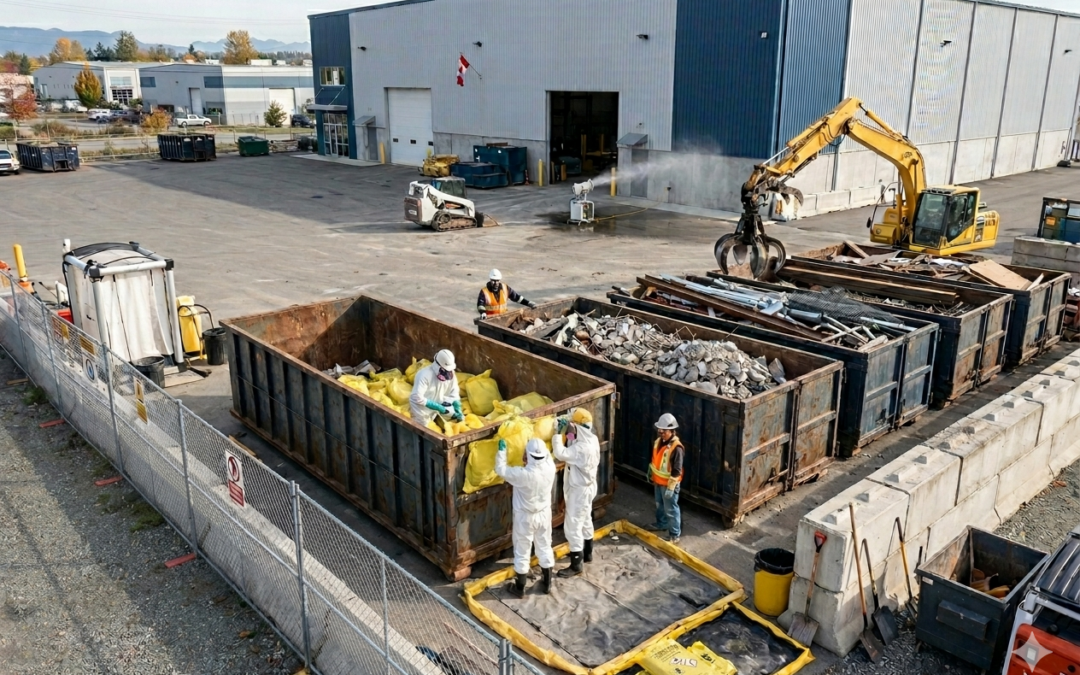
Construction and renovation activity continues to grow across Delta, creating large amounts of debris and hazardous materials that require proper handling. From commercial renovations to industrial demolition projects, businesses are under increasing pressure to dispose of waste responsibly while following environmental regulations. Improper disposal of hazardous construction waste can lead to serious environmental risks, workplace hazards, and costly penalties.
That is why professional hazardous waste disposal services have become essential for contractors, property managers, warehouses, and commercial businesses handling construction debris.
At Canadian Empire Recycling & Disposal, businesses across Delta rely on safe, compliant, and eco-friendly waste management solutions designed for commercial and industrial projects.
What Is Hazardous Construction Waste?
Hazardous construction waste refers to materials generated during construction, demolition, or renovation projects that may harm people, property, or the environment if improperly disposed of.
These materials often require specialized transportation, containment, and disposal procedures.
Common examples include:
- Asbestos-containing materials
- Lead paint debris
- Chemical containers
- Paints and solvents
- Fuel and oil products
- Adhesives and sealants
- Contaminated drywall
- Insulation materials
- Industrial cleaning agents
- Batteries and electronic waste
Many businesses mistakenly mix these items into regular construction debris bins, which can create contamination issues and increase disposal costs.
Why Proper Hazardous Waste Handling Matters in Delta
Delta businesses must comply with environmental and waste disposal regulations in British Columbia. Improper hazardous waste disposal can result in:
- Environmental contamination
- Worker safety risks
- Legal fines and penalties
- Project delays
- Increased landfill charges
- Damaged business reputation
Professional commercial waste recycling Delta helps companies stay compliant while improving job site safety and operational efficiency.
Industries That Commonly Generate Hazardous Construction Waste
Commercial Renovation Projects
Office remodels, retail renovations, and tenant improvements often produce hazardous materials hidden inside older structures.
Warehouses and Industrial Facilities
Industrial sites frequently generate contaminated waste, including oils, chemicals, and damaged equipment.
Demolition Contractors
Demolition projects may expose asbestos, lead-based products, and contaminated debris requiring specialized disposal.
Property Management Companies
Large commercial properties often require hazardous material removal during upgrades and maintenance work.
Common Mistakes Businesses Make
Mixing Hazardous Waste With General Debris
One of the biggest mistakes is placing hazardous materials inside mixed construction waste bins. This can contaminate recyclable materials and increase disposal fees.
Ignoring Asbestos Risks
Older buildings in Delta may contain asbestos in insulation, ceiling materials, drywall compounds, and flooring products. Improper handling can create major health risks.
Professional asbestos waste disposal Delta helps ensure safe containment and transportation.
Overloading Disposal Bins
Overloaded bins create transportation hazards and may violate disposal regulations.
Delaying Waste Removal
Leaving hazardous materials exposed on-site increases safety risks for workers and visitors.
Best Practices for Handling Hazardous Construction Waste
Identify Hazardous Materials Early
Before starting a project, businesses should inspect the site for materials requiring specialized disposal.
Separate Waste Streams
Use separate bins or containment systems for:
- Hazardous waste
- Concrete
- Metal
- Drywall
- Wood
- General debris
This improves recycling efficiency and reduces contamination.
Train Employees Properly
Workers should understand how to identify and safely handle hazardous materials.
Use Professional Disposal Services
Experienced providers like Canadian Empire Recycling & Disposal ensure waste is transported and processed according to local regulations.
The Role of Construction Waste Recycling
Construction waste recycling helps businesses reduce landfill waste while supporting sustainable building practices.
Professional construction waste recycling Delta services may recycle:
- Concrete
- Wood
- Metal
- Asphalt
- Cardboard
- Drywall
- Plastics
Recycling construction materials can lower disposal costs while improving environmental performance.
Why Businesses Choose Professional Waste Disposal Companies
Regulatory Compliance
Professional waste disposal companies delta understand local and provincial disposal requirements.
Safer Job Sites
Proper waste handling reduces workplace hazards and improves project organization.
Faster Project Completion
Scheduled pickups and organized disposal systems help maintain project timelines.
Environmental Responsibility
Sustainable disposal practices help businesses reduce their environmental footprint.
How Hazardous Waste Impacts Commercial Construction Projects
Hazardous materials can significantly affect commercial construction timelines and budgets if not handled properly.
For example:
- Improper asbestos handling may stop work completely
- Contaminated debris may require specialized transportation
- Mixed waste loads can increase landfill surcharges
- Regulatory violations may delay permits and inspections
That is why businesses across Delta increasingly rely on specialized hazardous waste drop off Delta and recycling services for safer project management.
The Future of Commercial Waste Management in Delta
Environmental regulations continue to evolve, and more businesses are adopting sustainable waste management practices to meet modern standards.
Construction companies, contractors, and commercial property owners are now focusing on:
- Waste diversion programs
- Recycling initiatives
- Eco-friendly disposal
- Reduced landfill dependency
- Sustainable construction practices
Businesses that adopt responsible disposal solutions today will be better prepared for future environmental requirements.
Handling hazardous construction waste requires more than simply removing debris from a job site. Businesses must follow proper disposal procedures, carefully separate hazardous materials, and work with experienced waste management professionals to ensure compliance and safety.
Whether dealing with asbestos materials, industrial waste, renovation debris, or contaminated construction materials, professional disposal services help Delta businesses reduce risks while improving environmental responsibility.
For reliable hazardous waste disposal, businesses trust Canadian Empire Recycling & Disposal for safe, efficient, and eco-friendly commercial waste management services.
Need professional hazardous construction waste disposal services in Delta? Contact Canadian Empire Recycling & Disposal today for reliable commercial waste removal, recycling, asbestos disposal, and eco-friendly construction cleanup solutions.