
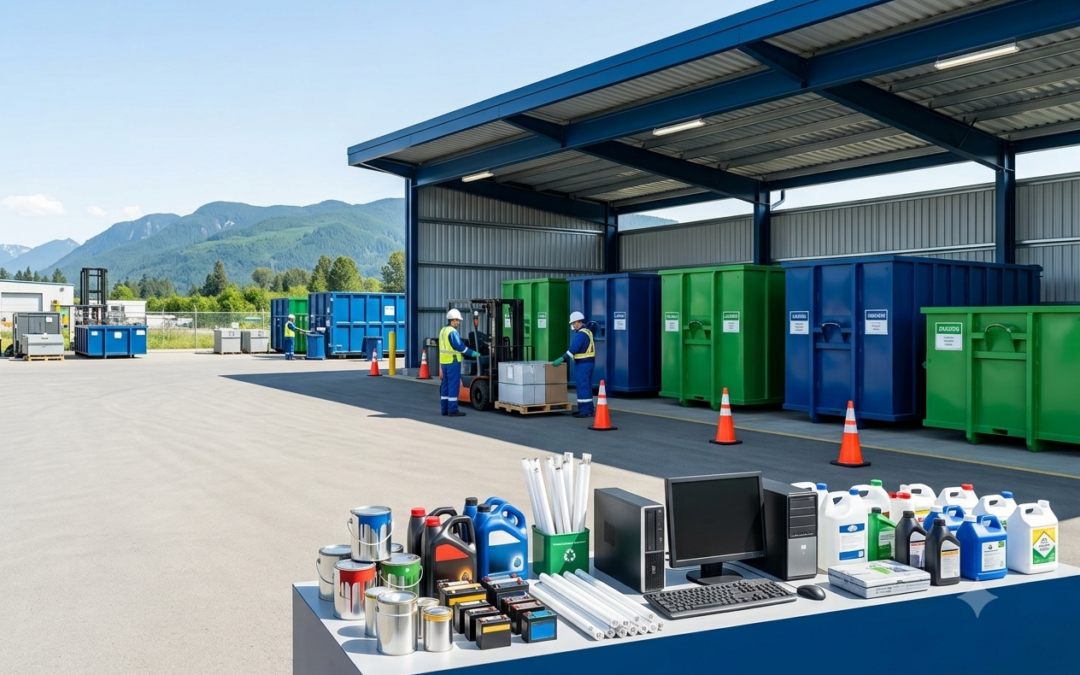
Improper disposal of hazardous materials can put people, property, and the environment at risk. Whether you’re cleaning out a garage, renovating a commercial property, or managing industrial waste, knowing what belongs at a Hazardous Waste Drop Off Delta facility helps ensure safe handling and regulatory compliance.
Many residents and businesses mistakenly assume all unwanted chemicals or hazardous materials can be thrown into regular garbage bins. In reality, numerous items require specialized collection, transportation, and disposal methods to prevent soil contamination, water pollution, and fire hazards.
This guide explains what you can safely bring, what should never be accepted, and how responsible waste management protects the Delta community.
Why Proper Hazardous Waste Disposal Matters
Hazardous waste contains substances that may be toxic, corrosive, flammable, or reactive. When disposed of incorrectly, these materials can:
- Contaminate groundwater and nearby waterways
- Release harmful fumes into the air
- Increase fire and explosion risks
- Damage to municipal waste facilities
- Create health hazards for workers and residents
Using an approved collection facility helps reduce environmental impact while ensuring materials are managed according to provincial regulations.
What You Can Bring to a Hazardous Waste Drop-Off Facility
Depending on the facility and local acceptance guidelines, many common household and commercial materials are accepted for proper processing.
Paints and Coatings
Products containing solvents or heavy metals require separate handling, including:
- Oil-based paint
- Wood stains
- Paint thinners
- Varnishes
- Lacquers
- Paint removers
Always keep products in their original containers whenever possible.
Automotive Fluids
Vehicle maintenance often produces hazardous liquids that should never enter storm drains.
Accepted materials commonly include:
- Motor oil
- Transmission fluid
- Brake fluid
- Antifreeze
- Power steering fluid
- Fuel additives
Store containers upright and securely sealed before transport.
Household Chemicals
Many everyday cleaning products become hazardous waste once they are no longer needed.
Examples include:
- Bleach
- Ammonia
- Drain cleaners
- Oven cleaners
- Pool chemicals
- Strong disinfectants
Never mix chemicals before disposal.
Batteries
Different battery types require specialized recycling processes, including:
- Car batteries
- Rechargeable batteries
- Lithium-ion batteries
- Button cell batteries
- UPS backup batteries
Damaged lithium batteries should be packaged carefully to minimize fire risks during transportation.
Electronic Equipment
Some electronic devices contain hazardous components such as lead, mercury, or cadmium.
Examples include:
- Computers
- Monitors
- Printers
- Small appliances
- Network equipment
- Communication devices
Proper recycling helps recover valuable materials while preventing environmental contamination.
Fluorescent Lighting
Lighting products often contain mercury and should never be placed inside household garbage.
These include:
- Fluorescent tubes
- Compact fluorescent lamps (CFLs)
- Mercury-containing bulbs
Handle carefully to avoid breakage.
Items That Usually Cannot Be Accepted
Not every waste item belongs at the same collection facility. Certain materials require different recycling or disposal programs.
Common examples include:
- Explosives
- Ammunition
- Radioactive materials
- Biomedical waste
- Untreated asbestos
- Large propane cylinders
- Commercial explosives
- Infectious medical waste
Always verify acceptance requirements before transporting unusual materials.
Tips Before Visiting a Drop-Off Location
Preparing hazardous materials properly makes disposal safer and more efficient.
Keep Products in Original Containers
Original labels help identify contents and reduce handling errors.
Seal Containers Tightly
Prevent spills by checking lids before transportation.
Separate Incompatible Chemicals
Never combine products such as bleach and ammonia or different solvents.
Secure Materials During Transport
Place containers upright inside sturdy boxes or plastic bins to reduce movement.
Avoid Leaking Containers
If a container is damaged, place it inside another sealed container before transporting.
Hazardous Waste from Businesses
Commercial properties often generate waste that requires more structured disposal planning.
Examples include:
- Industrial chemicals
- Cleaning solvents
- Adhesives
- Paint waste
- Laboratory materials
- Manufacturing by-products
- Automotive shop fluids
- Maintenance chemicals
Businesses should maintain proper documentation and follow applicable disposal regulations when arranging Hazardous Waste Disposal services.
Common Mistakes to Avoid
Many disposal issues occur because hazardous materials are treated like ordinary waste.
Avoid:
- Pouring chemicals into drains
- Mixing different hazardous products
- Burning chemical containers
- Placing batteries in household garbage
- Disposing of paint with regular trash
- Leaving hazardous waste outdoors
- Transporting leaking containers
Small mistakes can create significant environmental and safety risks.
Environmental Benefits of Responsible Disposal
Choosing an approved hazardous waste collection program helps:
- Reduce landfill contamination
- Protect wildlife habitats
- Prevent groundwater pollution
- Recover recyclable materials
- Lower fire risks
- Support cleaner communities
- Improve workplace safety
- Promote sustainable resource management
Responsible disposal benefits both today’s residents and future generations.
When Should You Schedule a Professional Collection?
While small quantities may be suitable for a public collection facility, larger cleanouts often require professional assistance.
Professional collection is recommended for:
- Commercial buildings
- Warehouses
- Offices
- Retail properties
- Industrial facilities
- Renovation projects
- Property management companies
- Large-scale cleanouts
Experienced waste management teams can identify, transport, and dispose of materials safely while helping businesses remain compliant.
Understanding what belongs at a Hazardous Waste Drop Off Delta location helps prevent environmental damage, protects public health, and ensures hazardous materials are handled responsibly. From batteries and automotive fluids to chemicals and electronic waste, proper preparation makes the disposal process safer and more efficient.
If you’re managing a residential cleanout or require reliable Hazardous Waste Disposal Delta solutions for your business, working with an experienced local provider can simplify the process and ensure materials are handled according to current environmental standards.
Need safe, reliable hazardous waste collection or commercial disposal services in Delta? Canadian Empire Recycling & Disposal provides professional waste management solutions for residential, commercial, and industrial clients. Contact Canadian Empire Recycling & Disposal team today to schedule a pickup or learn more about responsible hazardous waste disposal in your area.