
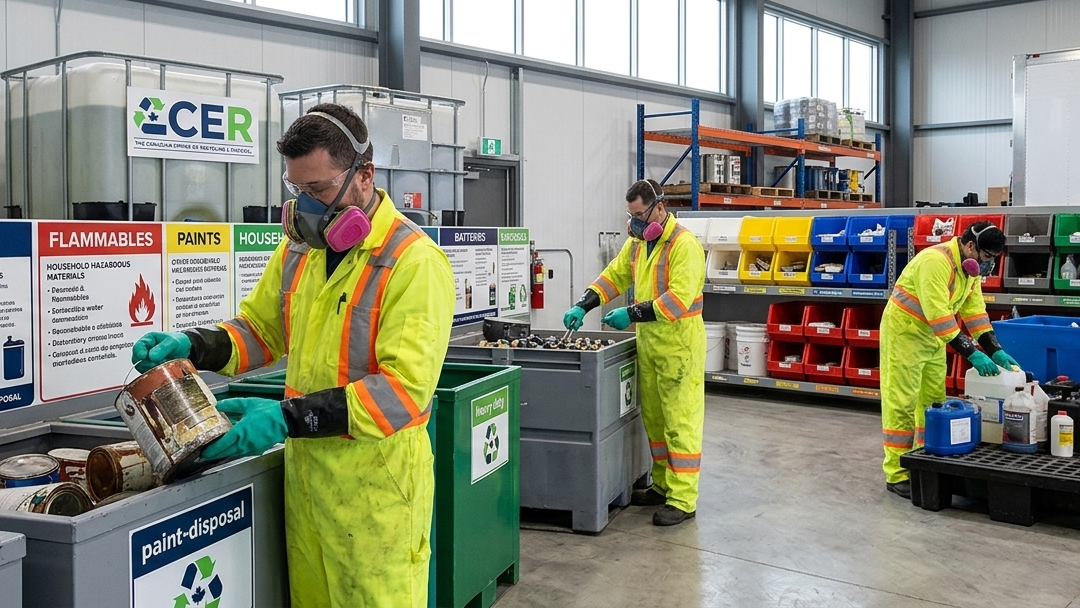
Hazardous waste is a growing concern for homeowners, businesses, contractors, and industrial properties across Delta. From leftover paint and automotive fluids to cleaning chemicals and batteries, many materials used every day can become dangerous when disposed of improperly. Safe disposal is not only important for protecting the environment but also for preventing health hazards, property damage, and costly penalties.
Many people unknowingly make mistakes when handling hazardous materials. These errors can contaminate soil and water, create fire risks, and expose people to toxic substances. Understanding the most common disposal mistakes can help residents and businesses choose safer and more responsible waste management practices.
If you are looking for safe and reliable Hazardous Waste Drop Off Delta solutions, knowing what to avoid is the first step toward protecting your property and community.
What Is Hazardous Waste?
Hazardous waste refers to materials that can be harmful to people, animals, or the environment. These substances may be toxic, flammable, corrosive, or reactive. Common examples include:
- Paints and paint thinners
- Motor oil and automotive fluids
- Batteries and electronics
- Pesticides and fertilizers
- Cleaning chemicals
- Solvents and adhesives
- Fluorescent light bulbs
- Aerosol cans
Because these materials contain dangerous chemicals, they require special handling and disposal methods.
Throwing Hazardous Waste Into Regular Garbage
One of the biggest mistakes people make is placing hazardous materials in standard garbage bins or dumpsters. Many hazardous products leak harmful substances into landfills, contaminating soil and groundwater.
Items such as batteries, paints, oils, and chemicals should never be mixed with household waste. Even small quantities can create environmental hazards over time.
Using proper hazardous waste disposal facilities ensures these materials are processed safely and kept out of landfills.
Pouring Chemicals Down Drains
Another serious mistake is dumping chemicals into sinks, toilets, storm drains, or outdoor areas. Some people assume liquid products disappear safely through plumbing systems, but this can pollute local waterways and damage infrastructure.
Wastewater treatment systems are not designed to process many hazardous substances. Chemicals may eventually enter rivers, lakes, and marine ecosystems, harming wildlife and water quality.
Safe disposal through certified collection services is always the better option.
Mixing Different Hazardous Materials
Combining hazardous materials in one container is extremely dangerous. Certain chemicals react violently when mixed, producing toxic gases, fires, or explosions.
For example:
- Bleach mixed with ammonia creates toxic fumes
- Mixing automotive chemicals can create unstable reactions
- Combining flammable products increases fire risks
Always store hazardous materials separately and keep them in their original containers whenever possible.
Using Unmarked or Damaged Containers
Many people transfer chemicals into unlabeled bottles or damaged containers. This creates safety risks because disposal workers may not know what substances they are handling.
Proper labels help identify hazardous materials quickly and reduce the chance of accidents during transportation and disposal. Containers should also be sealed tightly to prevent leaks or spills.
Storing Hazardous Waste for Too Long
Old chemicals and hazardous materials can become unstable over time. Containers may corrode, leak, or release dangerous fumes if stored improperly.
Garages, sheds, and storage rooms often contain forgotten hazardous products that pose fire and health risks. Regularly checking and safely disposing of unused materials helps keep properties safer.
Businesses that generate hazardous waste frequently should schedule routine disposal services to prevent accumulation.
Ignoring Local Waste Disposal Regulations
Waste disposal regulations exist to protect public safety and the environment. Many homeowners and businesses are unaware of local rules regarding hazardous waste handling.
Improper disposal may lead to environmental fines, legal issues, and operational problems for businesses. Following local disposal guidelines helps reduce risks and ensures compliance with environmental standards.
Professional disposal companies understand current regulations and provide proper waste management solutions for different types of hazardous materials.
Improper Electronic Waste Disposal
Electronic devices often contain hazardous substances such as lead, mercury, and lithium batteries. Throwing electronics into regular garbage can create pollution and fire hazards.
Computers, televisions, printers, batteries, and electronic accessories should be recycled through approved facilities. Responsible recycling protects the environment and prevents toxic materials from entering landfills.
Underestimating Household Hazardous Waste
Many people think hazardous waste only comes from factories or industrial sites. However, ordinary homes produce hazardous materials regularly through cleaning products, paint, pesticides, and automotive supplies.
Even small amounts of improperly disposed of chemicals can create environmental damage over time. Educating homeowners about safe disposal methods is important for keeping Delta communities cleaner and safer.
Hiring Unlicensed Waste Disposal Companies
Choosing the wrong disposal provider can create serious environmental and legal risks. Some unlicensed companies may dump hazardous waste illegally or fail to follow proper handling procedures.
Working with experienced professionals helps ensure waste is transported and processed according to environmental regulations. Reliable providers use safe disposal methods and maintain compliance with waste management standards.
For businesses and property owners searching for dependable Hazardous Waste Disposal Delta, working with qualified professionals is essential for long-term safety and compliance.
Risks of Improper Hazardous Waste Disposal
Improper hazardous waste handling can cause major problems, including:
- Soil and groundwater contamination
- Air pollution and toxic fumes
- Fire and explosion hazards
- Health risks for workers and residents
- Damage to plumbing and infrastructure
- Harm to wildlife and ecosystems
- Costly cleanup expenses and fines
Responsible disposal practices help reduce these risks and support a healthier environment.
Benefits of Professional Hazardous Waste Disposal Services
Hiring professional hazardous waste disposal services offers several important benefits:
Safe Handling and Transportation
Trained professionals know how to safely package, transport, and process hazardous materials.
Environmental Protection
Proper disposal reduces pollution and supports eco-friendly waste management practices.
Regulatory Compliance
Professional companies stay up to date on disposal regulations and help businesses remain compliant.
Improved Property Safety
Regular waste removal minimizes fire risks, leaks, odors, and workplace hazards.
Convenience
Scheduled pickups and drop-off solutions save time for homeowners and businesses.
Supporting a Cleaner Delta Community
Responsible hazardous waste disposal helps protect Delta’s natural environment and public health. Businesses and residents who follow safe disposal practices contribute to cleaner neighborhoods, safer waterways, and more sustainable waste management systems.
Reducing hazardous contamination benefits future generations and supports ongoing environmental protection efforts across British Columbia.
Reliable Hazardous Waste Disposal Support
Finding a trusted disposal company is important for safely managing hazardous materials. Professional providers help property owners avoid disposal mistakes while ensuring environmentally responsible waste handling.
Canadian Empire Recycling & Disposal provides reliable hazardous waste management, recycling, and disposal services for residential, commercial, and industrial clients. Contact Canadian Empire Recycling & Disposal for businesses and homeowners to safely handle hazardous materials while supporting environmentally responsible waste practices.
Hazardous waste disposal mistakes can lead to serious environmental, financial, and health consequences. From throwing chemicals into regular garbage to improperly storing old materials, small errors can lead to major problems over time.
Understanding safe disposal practices and working with professional waste management providers helps protect your property and community. Proper hazardous waste handling keeps Delta cleaner, safer, and more environmentally sustainable for everyone.