
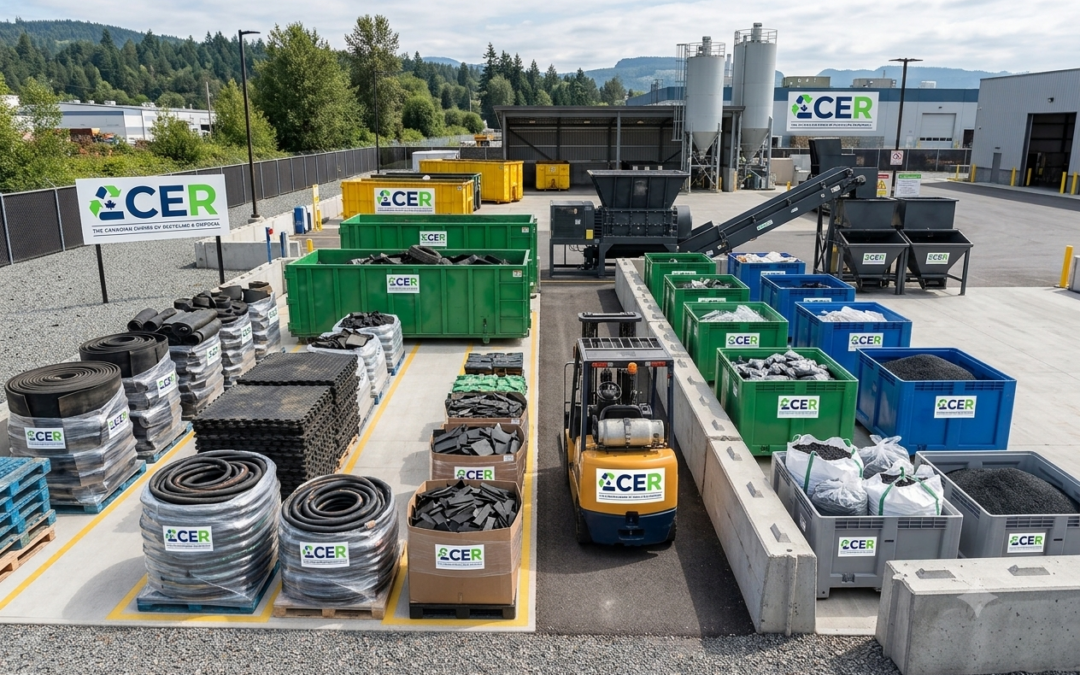
Rubber is used in almost every industry, from transportation and construction to manufacturing and agriculture. Because of its durability, rubber products often remain in use for years, but when they reach the end of their lifespan, many businesses mistakenly send them to landfill. The good news is that a wide variety of rubber products can be recovered and reused through professional recycling programs.
If your business is exploring Rubber Recycling Abbotsford, understanding which materials can be recycled and how they should be prepared can help reduce waste, lower disposal costs, and support environmental sustainability.
Why Rubber Recycling Is Important
Rubber is a valuable material that can be processed into new products instead of becoming landfill waste. Recycling helps conserve natural resources, reduces the demand for virgin materials, and supports a circular economy.
For businesses, incorporating rubber into a broader Commercial Waste Recycling strategy can improve waste diversion rates while creating a cleaner and more organized workplace.
Common Types of Recyclable Rubber
Vehicle Tires
Vehicle tires are one of the most recycled rubber products. Once processed, they can be transformed into playground surfacing, athletic tracks, rubberized asphalt, landscaping products, and safety flooring.
Conveyor Belts
Warehouses, manufacturing plants, and industrial facilities regularly replace conveyor belts. Depending on their condition, many rubber belts can be recycled and repurposed into new industrial materials.
Rubber Flooring
Commercial gyms, warehouses, schools, and recreational facilities often replace rubber flooring during renovations. Clean flooring materials are commonly accepted for recycling and can be manufactured into new flooring products.
Rubber Mats
Entrance mats, anti-fatigue mats, warehouse mats, and industrial safety mats can often be recycled if they are free from excessive contamination.
Rubber Hoses
Many commercial and industrial hoses contain recyclable rubber that can be recovered after inspection and proper sorting.
Rubber Seals and Gaskets
Businesses in the automotive, construction, and manufacturing sectors frequently replace seals and gaskets. These materials may be recyclable when separated from mixed waste.
Rubber That May Require Special Handling
Not every rubber product belongs in a standard recycling stream.
Rubber may require additional assessment if it is:
- Contaminated with oil or grease
- Exposed to industrial chemicals
- Mixed with excessive metal components
- Bonded to multiple non-recyclable materials
- Damaged by fire or chemical exposure
In situations where rubber contains hazardous residues, businesses may need Hazardous Waste Disposal Abbotsford services to ensure the material is handled safely and responsibly.
Why Proper Waste Separation Matters
Successful recycling begins long before collection.
Businesses should separate:
- Clean recyclable rubber
- Plastic materials
- Cardboard
- Scrap metal
- Hazardous materials
- General waste
Proper sorting reduces contamination, improves recycling efficiency, and allows more materials to be recovered instead of sent to landfill.
Industries That Benefit from Rubber Recycling
Many industries generate recyclable rubber every day, including:
- Automotive repair facilities
- Construction companies
- Manufacturing plants
- Distribution centres
- Agricultural businesses
- Property management companies
- Fitness facilities
Developing an organized recycling process helps these businesses improve sustainability while supporting more efficient Commercial Waste Recycling practices.
What Happens After Rubber Is Collected?
After collection, recyclable rubber is carefully inspected and sorted. It is then cleaned, shredded, and processed into reusable raw material.
Recycled rubber can be used to manufacture:
- Playground surfaces
- Rubber mulch
- Sports fields
- Warehouse flooring
- Road construction materials
- Industrial components
- Landscaping products
Recovering these materials reduces landfill waste while extending the life of valuable resources.
Best Practices for Businesses
Businesses can improve recycling results by following a few simple steps:
- Separate rubber from general garbage.
- Store recyclable rubber in a clean, dry location.
- Remove unnecessary contaminants before collection.
- Label collection containers clearly.
- Schedule regular recycling pickups.
- Train employees on proper waste segregation.
These practices make recycling more efficient and help reduce unnecessary disposal costs.
Environmental and Business Benefits
A strong rubber recycling program offers more than environmental advantages. Businesses can also:
- Reduce landfill disposal fees
- Improve workplace organization
- Increase recycling rates
- Support sustainability initiatives
- Strengthen their environmental reputation
Over time, these improvements contribute to more efficient waste management and responsible business operations.
Partner with Canadian Empire Recycling & Disposal
Choosing the right recycling partner makes it easier to manage rubber waste responsibly. Contact Canadian Empire Recycling & Disposal for reliable rubber recycling for commercial and industrial customers, helping businesses recover recyclable materials while reducing landfill waste. Their experienced team is committed to delivering practical recycling solutions that support both operational efficiency and environmental responsibility.
Frequently Asked Questions
Can contaminated rubber still be recycled?
If rubber is contaminated with chemicals or hazardous substances, it may require assessment and, in some cases, disposal as hazardous waste rather than standard recycling.
Why is waste separation important for rubber recycling?
Separating rubber from other waste reduces contamination, improves recycling efficiency, and allows more materials to be successfully recovered.
What products are made from recycled rubber?
Recycled rubber is commonly used in playground surfaces, athletic tracks, rubber mulch, safety flooring, road construction, and various industrial products.
How can businesses improve rubber recycling?
Businesses can improve results by sorting rubber correctly, storing materials properly, educating employees, and working with an experienced recycling provider.