
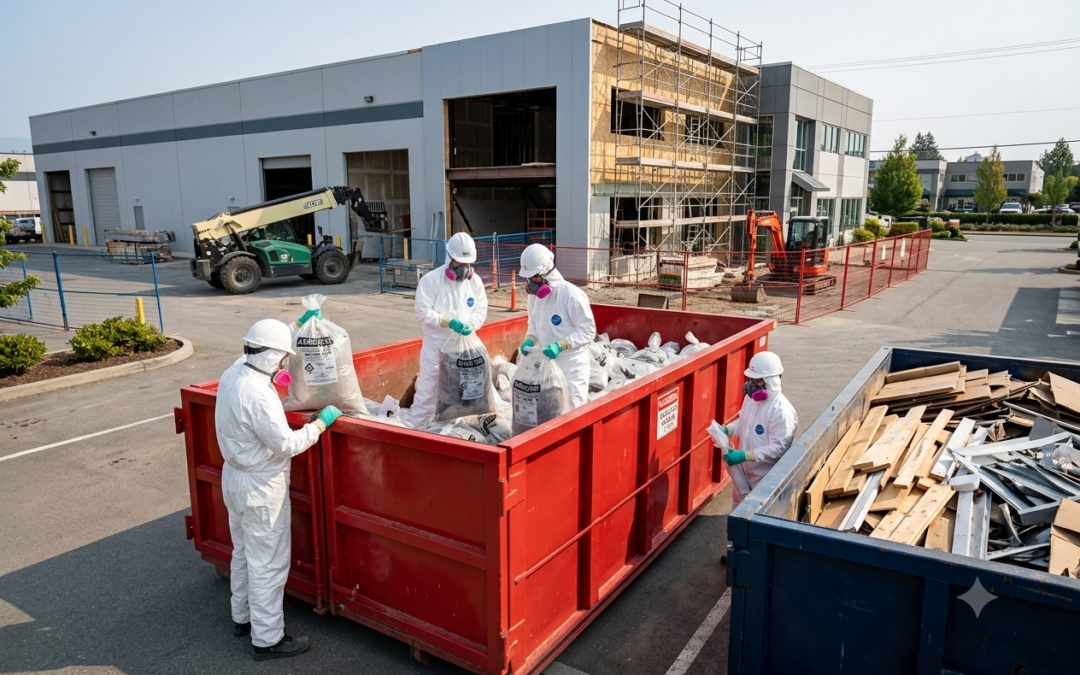
Commercial renovations and redevelopment projects in Abbotsford are helping businesses modernize aging office buildings, warehouses, manufacturing facilities, retail plazas, and mixed-use commercial properties. While these projects create new opportunities, they also introduce one challenge that many business owners underestimate—managing asbestos-containing materials safely and legally.
Ignoring asbestos waste planning can delay construction schedules, increase disposal costs, trigger compliance issues, and create unnecessary risks for workers. That’s why professional Asbestos Waste Disposal services should be included in the planning phase of every commercial renovation or demolition project rather than treated as a last-minute task.
Whether you’re a property manager preparing a tenant improvement, a contractor renovating an industrial building, or a developer redeveloping an older commercial site, understanding how asbestos waste management fits into your project can help you avoid expensive setbacks.
Why Commercial Projects Experience Unexpected Delays
Most project delays don’t happen because demolition takes longer than expected. They occur because hazardous materials are discovered after work has already begun.
Older commercial buildings across Abbotsford may contain asbestos in:
- Ceiling tiles
- Vinyl flooring
- Pipe insulation
- Roofing materials
- Drywall joint compounds
- Boiler insulation
- Mechanical rooms
- Fireproofing materials
If these materials are disturbed without a waste management strategy, contractors often have to stop work until the materials can be safely contained, transported, and disposed of according to provincial requirements.
Every day a commercial project sits idle can increase labour costs, equipment rental expenses, and project management fees.
Why Waste Planning Should Begin Before Demolition
Many commercial property owners focus on permits, contractors, and renovation schedules but overlook waste logistics.
Planning allows project managers to estimate:
- Expected asbestos waste volume
- Required containment methods
- Transportation schedules
- Collection timelines
- Disposal requirements
- Site access for waste removal
Having these details prepared before demolition begins helps contractors work without unnecessary interruptions.
This proactive approach also makes it easier to coordinate inspections, environmental documentation, and site safety requirements throughout the project.
Dedicated Waste Containers Improve Site Safety
Commercial demolition sites generate multiple waste streams at the same time. Keeping hazardous materials separated from recyclable construction debris is essential for maintaining a safe and organized workplace.
Using professional Bin Rental Services Abbotsford allows contractors to prepare dedicated containers specifically for hazardous materials instead of relying on mixed construction bins.
Dedicated waste containers provide several advantages:
- Better job-site organization
- Reduced risk of cross-contamination
- Faster debris collection
- Improved worker safety
- More efficient loading during demolition
- Reduced handling of hazardous materials
Planning bin placement before demolition also helps heavy equipment operate more efficiently, reducing unnecessary movement around the job site.
Compliance Is More Than Simply Removing Waste
Many businesses assume asbestos compliance ends once materials are removed from a building. In reality, compliance includes every stage of the waste management process.
Commercial projects should consider:
- Proper containment
- Approved packaging procedures
- Safe transportation
- Required documentation
- Environmental responsibilities
- Disposal at authorized facilities
Missing just one step can delay inspections or create additional costs later in the project.
For property managers handling multiple renovations throughout Abbotsford, having a documented waste management process can significantly reduce administrative challenges.
The Financial Impact of Poor Waste Management
Unexpected project costs rarely come from asbestos removal alone.
Businesses often lose money because of:
- Construction downtime
- Equipment standing idle
- Extended contractor schedules
- Additional site supervision
- Emergency waste collection
- Delayed tenant occupancy
- Missed project deadlines
Planning waste management early is often far less expensive than reacting after demolition has already started.
For commercial developers, avoiding even a few days of project delays can translate into substantial savings over the life of a renovation or redevelopment project.
Sustainable Construction Starts with Smarter Waste Separation
Commercial sustainability is becoming a priority for businesses across British Columbia. While asbestos-containing materials require specialized disposal, many other construction materials can be diverted away from landfills.
Using professional Commercial Waste Recycling Abbotsford services allows contractors to separate recyclable materials such as clean wood, cardboard, concrete, metal, and other recoverable construction debris.
Separating recyclable materials from hazardous waste offers several benefits:
- Reduces landfill volume
- Supports corporate sustainability goals
- Improves site efficiency
- Simplifies waste tracking
- Helps businesses meet environmental objectives
Instead of treating every piece of demolition debris as garbage, businesses can create a more efficient waste management strategy that balances environmental responsibility with project productivity.
Industries That Benefit Most from Professional Asbestos Waste Management
Commercial asbestos waste is not limited to large demolition projects. Many businesses in Abbotsford require safe waste handling during routine upgrades, tenant improvements, equipment replacements, or building expansions.
Industries that commonly require professional asbestos waste management include:
- Industrial manufacturing facilities
- Distribution warehouses
- Office complexes
- Retail plazas and shopping centres
- Schools and educational buildings
- Healthcare facilities
- Hotels and hospitality properties
- Restaurants and commercial kitchens
- Agricultural processing facilities
- Multi-tenant commercial buildings
Older commercial properties often contain hidden asbestos materials that are only discovered once renovation work begins. Planning for proper waste management before construction starts helps keep projects on schedule.
A Commercial Project Checklist That Helps Prevent Delays
Business owners and contractors can reduce project risks by creating a waste management plan before demolition or renovation begins.
A simple checklist includes:
- Complete a hazardous waste material assessment before starting work.
- Estimate the amount of asbestos-containing material that may require disposal.
- Schedule waste collection before demolition begins instead of after waste accumulates.
- Arrange dedicated containers for hazardous materials rather than mixing them with general construction debris.
- Keep recyclable materials separated from regulated waste wherever possible.
- Maintain documentation for transportation and disposal records.
- Coordinate disposal schedules with contractors to avoid unnecessary downtime.
Following these steps improves efficiency while reducing the possibility of expensive project interruptions.
Common Mistakes That Increase Commercial Project Costs
Many businesses unknowingly increase renovation costs because waste management is treated as an afterthought.
Some of the most common mistakes include:
Waiting Until Demolition Starts
By the time hazardous materials are identified during active demolition, project schedules may already be affected.
Mixing Different Waste Streams
Combining asbestos waste with recyclable construction debris increases disposal complexity and may result in additional handling costs.
Underestimating Waste Volume
Ordering containers that are too small or scheduling pickups too late often slows construction progress.
Choosing Cost Instead of Experience
Commercial projects require waste management providers who understand hazardous material handling, transportation requirements, and project scheduling—not simply waste collection.
Avoiding these mistakes helps contractors complete projects more efficiently while protecting budgets and timelines.
Why the Right Waste Partner Makes a Difference
Commercial projects involve multiple moving parts. Contractors, engineers, inspectors, property managers, and business owners all work toward the same completion date. A reliable waste management partner helps keep that timeline intact by providing dependable scheduling, organized waste collection, and professional support throughout the project.
Working with an experienced provider also reduces the administrative burden of coordinating waste removal while allowing construction teams to focus on completing the project safely and efficiently.
Successful commercial renovations are built on careful planning, not last-minute decisions. Including Asbestos Waste Disposal Abbotsford in the early stages of your project helps reduce delays, improve workplace safety, and support compliance throughout every phase of construction.
If your project also requires dedicated waste containers, planning them can improve site organization and keep demolition work moving without unnecessary interruptions. Likewise, separating recyclable construction materials through responsible recycling practices supports both environmental goals and more efficient project management.
Whether you’re renovating an office building, redeveloping a warehouse, upgrading a retail property, or managing a large commercial facility, having a dependable waste management strategy can save both time and money.
Canadian Empire Recycling & Disposal provides dependable commercial asbestos waste solutions, reliable bin rental options, and responsible recycling services for businesses across Abbotsford. Our experienced team works with contractors, developers, facility managers, and property owners to help projects stay organized, compliant, and on schedule. Contact Canadian Empire Recycling & Disposal today to discuss the right waste management solution for your next commercial project.
Frequently Asked Questions
Why are dedicated bins important for commercial asbestos projects?
Dedicated containers help isolate hazardous materials from other construction debris, improving job-site safety and making waste collection more efficient.
Can recyclable construction materials still be recovered during a commercial renovation?
Yes. Materials such as clean metal, concrete, cardboard, and untreated wood can often be separated for recycling while hazardous asbestos waste is managed through approved disposal procedures.
Which commercial properties are most likely to require asbestos waste disposal?
Office buildings, warehouses, schools, industrial facilities, retail plazas, hotels, healthcare buildings, and other older commercial properties commonly require asbestos waste management during renovations or demolitions.
How can businesses reduce the risk of costly project delays?
Businesses should complete a hazardous materials assessment, arrange waste collection before work starts, coordinate dedicated containers, separate recyclable materials, and work with an experienced commercial waste management provider from the beginning of the project.