
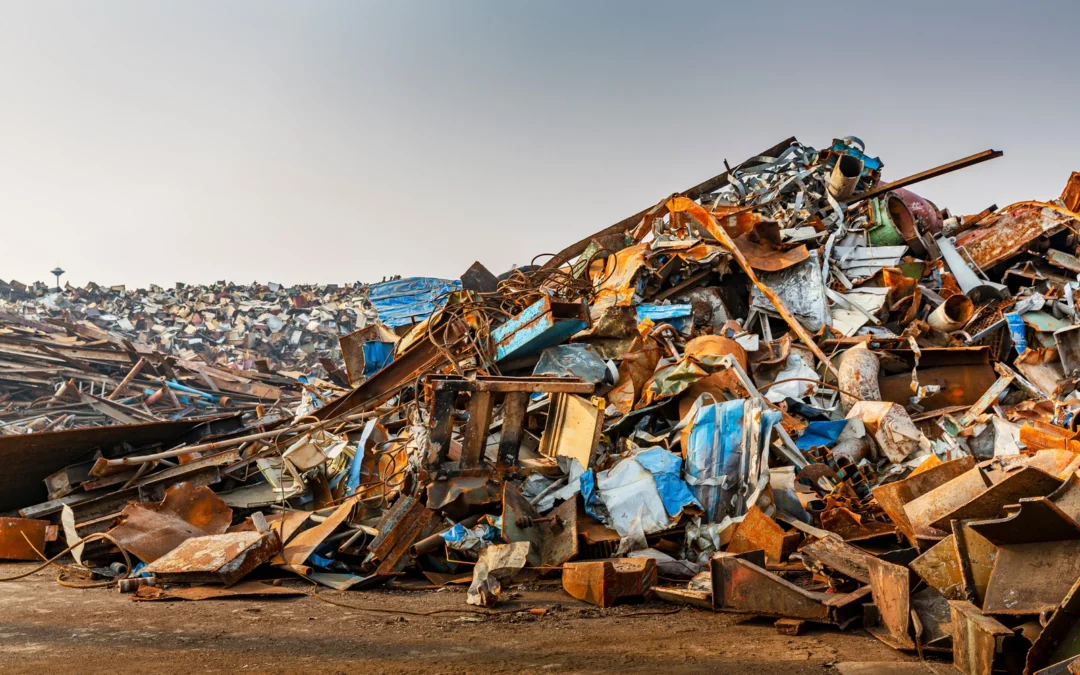
Scrap metal is often overlooked as harmless clutter sitting in the corner of a yard, warehouse, construction site, or commercial property. However, leaving scrap metal unmanaged can create serious safety, environmental, legal, and financial risks for both residential and commercial property owners. In Abbotsford, where construction, industrial operations, renovations, and property upgrades continue to grow, scrap metal waste is becoming an increasingly common issue.
Many property owners fail to realize that piles of old metal equipment, rusted machinery, broken appliances, construction debris, and discarded automotive parts can quickly become dangerous when left unattended. Beyond appearance concerns, scrap metal can contribute to injuries, environmental contamination, pest infestations, fire hazards, and long-term property damage.
Understanding these hidden dangers is essential for maintaining a safe and organized property while protecting the surrounding environment.
Why Scrap Metal Accumulates on Properties
Scrap metal often builds up gradually over time. Renovation projects, construction work, equipment replacements, industrial operations, and vehicle repairs frequently generate metal waste that property owners intend to remove later. Unfortunately, delayed disposal can turn minor clutter into a major hazard.
Common sources of scrap metal include:
- Rusted tools and machinery
- Old appliances
- Construction materials
- Metal roofing sheets
- Automotive parts
- Broken fencing
- Industrial equipment
- Pipes and wiring
- HVAC systems
- Steel beams and frames
Without proper cleanup and recycling, these materials can create serious risks throughout the property.
Physical Injury Risks from Scrap Metal
One of the biggest dangers of leaving scrap metal around a property is the increased risk of physical injuries. Sharp metal edges, rusted surfaces, jagged debris, and unstable piles can easily cause accidents.
Common injuries linked to scrap metal include:
- Cuts and lacerations
- Puncture wounds
- Crushing injuries
- Trips and falls
- Muscle strains from improper lifting
- Tetanus infections caused by rusted materials
Children, workers, tenants, and visitors are especially vulnerable in areas where scrap metal is stored carelessly. Construction sites and commercial yards with unmanaged metal waste face even higher injury risks due to heavy machinery and ongoing activity.
Professional scrap metal removal services help reduce these hazards by safely removing and sorting heavy materials before accidents occur.
Fire Hazards and Electrical Dangers
Many property owners do not realize that scrap metal can contribute to fire risks and electrical hazards. Certain metals stored near electrical systems, exposed wiring, fuel sources, or flammable materials can create dangerous conditions.
Examples include:
- Metal debris contacting live electrical wires
- Sparks generated during equipment movement
- Combustible materials trapped beneath metal piles
- Overheated machinery surrounded by scrap waste
- Fuel leaks from abandoned automotive parts
Industrial and commercial properties face particularly high risks when scrap metal accumulates near mechanical systems or active work zones.
Regular cleanup and proper storage significantly reduce the chances of fire-related incidents.
Environmental Contamination Risks
Scrap metal may appear harmless, but many metal items contain hazardous substances that can leak into soil and groundwater over time. Rusting metal, damaged batteries, electronic components, automotive fluids, and industrial machinery may release toxic contaminants into the environment.
Potential environmental hazards include:
- Oil and chemical leaks
- Heavy metal contamination
- Soil pollution
- Groundwater contamination
- Stormwater drainage pollution
- Air quality concerns from corrosion and dust
Environmental contamination can become extremely expensive to clean up and may result in regulatory penalties.
Using professional recycling and disposal services helps ensure metal waste is handled responsibly and recycled whenever possible.
Pest and Rodent Infestations
Piles of scrap metal often create ideal hiding places for rodents, insects, and other pests. Unused equipment, abandoned vehicles, and stacked debris provide shelter for animals looking for dark, protected nesting areas.
Common pest problems linked to scrap metal include:
- Rodent infestations
- Mosquito breeding in water-filled metal containers
- Insects nesting in machinery
- Wildlife hiding in debris piles
Once pests establish themselves on a property, they can spread quickly into nearby buildings and create additional sanitation and health concerns.
Maintaining a clean property with regular scrap metal removal helps reduce these risks significantly.
Structural and Property Damage
Large quantities of scrap metal can place excessive weight and pressure on surfaces not designed to support heavy loads. Over time, this can damage pavement, concrete surfaces, drainage systems, and structural foundations.
Examples of property damage include:
- Cracked pavement
- Damaged flooring
- Blocked drainage systems
- Corrosion damage to nearby structures
- Water pooling and flooding issues
- Unsafe storage area collapse
Commercial properties with heavy equipment or industrial scrap materials face especially high structural risks.
Routine cleanup and organized storage help protect the long-term condition of the property.
Liability Risks for Property Owners
Property owners may face serious legal and financial liability if someone becomes injured due to improperly stored scrap metal. Unsafe property conditions can lead to lawsuits, insurance claims, and workplace safety violations.
Businesses are particularly vulnerable if employees, contractors, or visitors are exposed to hazardous conditions caused by unmanaged scrap metal.
Potential liability concerns include:
- Workplace injury claims
- Public safety violations
- Insurance disputes
- Environmental fines
- Regulatory inspections
- Business reputation damage
Proactive cleanup and responsible waste management help reduce these legal risks.
The Importance of Scrap Metal Recycling
Many scrap metal materials can be recycled instead of being sent to landfills. Recycling helps reduce environmental waste while conserving valuable natural resources.
Common recyclable metals include:
- Steel
- Aluminum
- Copper
- Brass
- Iron
- Stainless steel
Recycling scrap metal also helps reduce mining demands and lowers the energy consumption used in manufacturing new metal products.
Property owners can learn more about responsible recycling practices through the Recycling Council of British Columbia
Businesses involved in construction or demolition projects can also review hazardous material guidelines from WorkSafeBC
Why Professional Scrap Metal Removal Matters
Handling large quantities of scrap metal without proper equipment can be dangerous and time-consuming. Heavy machinery, sharp debris, contaminated materials, and bulky equipment require specialized handling procedures.
Professional scrap metal removal companies help by:
- Safely removing heavy materials
- Sorting recyclable metals
- Preventing environmental contamination
- Reducing hazardous waste Abbostford
- Providing proper disposal methods
- Improving property safety and appearance
Property owners planning renovations or demolition projects can also benefit from professional waste management support.
Using professional Scrap Metal disposal Abbotsford helps property owners safely remove unwanted metal waste while improving environmental responsibility. Businesses managing construction debris, industrial equipment, or renovation waste can benefit from reliable Scrap Metal Removal in Abbotsford and Commercial Waste Disposal in Abbotsford solutions to maintain cleaner, safer properties.
Long-Term Benefits of Proper Scrap Metal Management
Regularly removing scrap metal offers several long-term advantages for residential and commercial properties.
Key benefits include:
- Improved workplace safety
- Better property appearance
- Reduced liability risks
- Improved environmental compliance
- Increased usable space
- Better organization and efficiency
- Reduced pest problems
- Lower fire hazards
Businesses that prioritize regular cleanup also create a more professional image for employees, customers, and visitors.
Protect Your Abbotsford Property with Professional Scrap Metal Removal
Leaving scrap metal unattended may seem harmless at first, but the long-term risks can become serious and expensive. From physical injuries and environmental contamination to fire hazards and liability concerns, unmanaged scrap metal can negatively impact both residential and commercial properties.
Canadian Empire Recycling & Disposal provides professional scrap metal removal, recycling, and waste management services for residential, commercial, and industrial properties throughout Abbotsford. Their experienced team helps property owners safely remove unwanted metal materials while supporting environmentally responsible recycling practices. Contact Canadian Empire Recycling & Disposal for reliable scrap metal cleanup and recycling solutions.
Frequently Asked Questions
Can scrap metal contaminate soil or groundwater?
Yes. Rusted machinery, automotive parts, batteries, and industrial equipment may leak harmful chemicals or heavy metals into the environment.
What types of scrap metal can be recycled?
Common recyclable metals include steel, aluminum, copper, brass, iron, and stainless steel.
Why should businesses hire professional scrap metal removal services?
Professional services help safely remove heavy materials, reduce workplace hazards, ensure proper recycling, and improve regulatory compliance.
How often should scrap metal be removed from a commercial property?
Properties generating regular metal waste should schedule routine cleanup services to maintain safety, organization, and environmental compliance.