
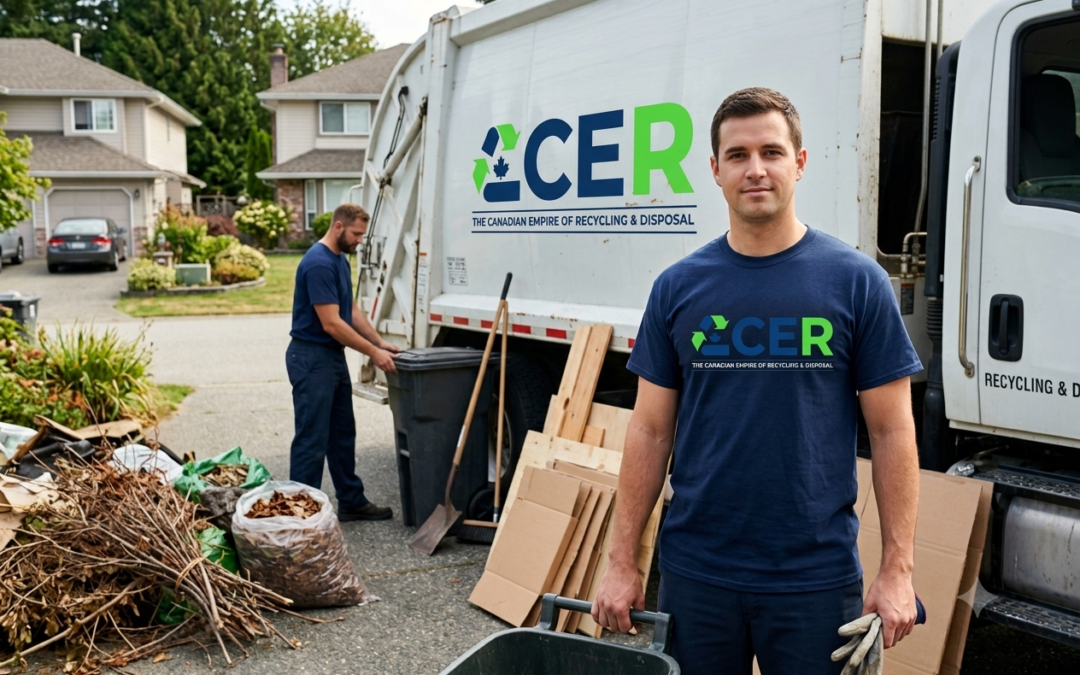
Summer renovation projects, landscaping work, and outdoor maintenance can leave Abbotsford properties with more waste than expected. Once the season starts winding down, homeowners and businesses often discover piles of old building materials, branches, soil, damaged fixtures, packaging, and other debris that need to be handled properly.
The challenge is that not all post-summer waste belongs in the same disposal stream. Renovation debris may include materials that can be recycled, while yard waste often requires a completely different handling process. Separating these materials before removal can make cleanup more efficient and help divert useful resources away from landfills.
For property owners planning a major cleanup, understanding the difference between Renovation Waste Disposal Abbotsford and yard waste management is an important first step.
Why Post-Summer Cleanup Creates So Much Waste
Summer is one of the busiest seasons for outdoor projects and renovations. Longer days and generally favourable weather make it easier to complete landscaping, exterior upgrades, repairs, and construction work.
By the end of summer, however, leftover materials can accumulate quickly.
Common examples include:
- Broken branches and shrubs
- Grass and garden debris
- Old fencing materials
- Lumber and wood scraps
- Drywall and renovation debris
- Concrete and other construction materials
- Damaged flooring
- Old cabinets and fixtures
- Cardboard and packaging
- Unwanted household or commercial items
Instead of treating everything as general garbage, property owners should first identify what can be reused, recycled, composted, or otherwise handled through an appropriate waste stream.
What Renovation Waste Can Be Recycled?
Renovation projects can produce a wide range of materials, and some have valuable recycling potential.
Depending on the material and its condition, common recyclable renovation waste may include:
Wood and Lumber
Clean wood scraps, old boards, framing materials, and certain types of untreated lumber may be suitable for recycling or recovery.
Keeping wood separate from mixed garbage can make processing easier and reduce unnecessary landfill disposal.
Metal
Metal from renovations can include pipes, fixtures, hardware, framing components, and other materials. Many types of scrap metal can be recovered and recycled rather than discarded.
Cardboard
Large renovation projects often generate significant amounts of cardboard from product packaging. Flattening and separating clean cardboard can help direct it into the appropriate recycling stream.
Drywall
Unused or removed drywall waste may require specific handling depending on its composition and condition. Keeping drywall separate from other debris can make proper processing easier.
For larger renovation projects, renovation waste recycling can be a practical option for businesses and property owners looking to divert suitable materials from disposal.
What About Yard Waste?
Yard waste requires a different approach from construction debris. After months of landscaping and outdoor maintenance, properties can accumulate substantial amounts of organic material.
Typical yard waste includes:
- Tree branches
- Leaves
- Grass clippings
- Shrubs
- Hedge trimmings
- Plant material
- Weeds
- Small logs
- Garden debris
Rather than mixing these materials with renovation debris, separate them whenever possible.
Depending on local requirements and the type of material, organic yard waste may be suitable for composting, processing, chipping, or other forms of recovery.
For larger volumes, Yard Waste Disposal Abbotsford services can help property owners manage material that cannot be handled through their regular household collection.
When Yard Waste Becomes a Larger Cleanup Problem
A few bags of leaves are very different from several truckloads of branches and landscaping debris.
Large-scale landscaping projects can leave behind bulky materials that are difficult to transport in a standard vehicle. Removing them may require multiple trips, which can make a cleanup project unnecessarily time-consuming.
This is particularly common after:
- Tree removal
- Major landscaping projects
- Property clearing
- Fence replacement
- Garden renovations
- Storm cleanup
- Commercial landscape maintenance
For substantial volumes, arranging an appropriate removal service can make the cleanup faster and more manageable.
Don’t Mix Renovation Debris With Yard Waste
One of the simplest ways to improve post-summer cleanup is to separate waste at the source.
A pile containing branches, drywall, wood, soil, metal, and general garbage may be more difficult to process than several organized material streams.
Before removing waste, consider creating separate areas for:
- Yard and organic waste
- Wood
- Metal
- Drywall
- Cardboard
- Reusable materials
- General debris
This simple sorting step can help identify recyclable materials and reduce the amount of mixed waste requiring disposal.
What About Construction and Renovation Debris?
Some summer projects produce much more than typical household renovation waste. Demolition, structural repairs, deck replacement, basement renovations, and larger construction projects can generate considerable volumes of debris.
In these situations, Construction Waste Disposal Abbotsford may be needed for materials that cannot be reused or recycled.
The type of waste should always be identified before removal. Materials can have different handling requirements, particularly when debris includes potentially hazardous substances or contaminated materials.
If you are unsure how a particular material should be handled, professional guidance is preferable to putting it into a general waste stream.
Commercial Properties Have Different Cleanup Needs
Post-summer cleanup is not limited to residential properties. Businesses, contractors, property managers, landscapers, and commercial property owners may also have significant amounts of accumulated waste.
A commercial cleanup could include:
- Renovation debris
- Landscaping material
- Packaging
- Old fixtures
- Broken furniture
- Wood waste
- Scrap metal
- Construction materials
- General commercial junk
For larger volumes, Commercial Waste Recycling Abbotsford can provide a more practical approach than relying on regular municipal collection.
Businesses should also consider whether any materials have recycling potential before arranging final disposal.
How to Make Your Abbotsford Cleanup More Efficient
A post-summer cleanup does not have to become a weekend-long project. A simple process can make the work much easier.
Step 1: Walk Through the Property
Start by identifying everything that needs to be removed. Separate renovation materials from yard debris and general junk.
Step 2: Identify Recyclable Materials
Look for clean wood, metal, cardboard, and other materials that may have recycling potential.
Step 3: Separate Organic Yard Waste
Keep branches, leaves, shrubs, and other yard materials together rather than mixing them with construction debris.
Step 4: Check for Special Handling Requirements
Some materials should not be placed with ordinary garbage. Paints, chemicals, asbestos-containing materials, treated materials, and other potentially hazardous waste may require specific handling.
Step 5: Estimate the Volume
Knowing whether you have a few bags, a pickup-load, or a large volume of debris can help determine the most practical removal solution.
Step 6: Arrange Appropriate Removal
Once materials are sorted, choose a disposal or recycling option that matches the type and quantity of waste.
Why Recycling Should Be Part of Post-Summer Cleanup
Recycling is not simply about reducing the amount of garbage leaving a property. It can also help recover materials that still have value.
Wood, metal, cardboard, and other recoverable materials can potentially be diverted from landfill disposal when properly separated and processed.
That makes Waste Recycling Abbotsford an important consideration for homeowners and businesses completing larger seasonal cleanups.
A recycling-focused approach can also help contractors and businesses manage renovation debris more responsibly while keeping their projects organized.
When Professional Waste Removal Makes Sense
DIY cleanup may work for small quantities, but larger projects can quickly become difficult to manage.
Professional removal may be useful when:
- There is too much waste for a personal vehicle
- Renovation debris is bulky or heavy
- Yard waste has accumulated in large quantities
- A commercial property needs a complete cleanup
- Multiple material types need to be sorted
- Several trips to disposal facilities would be required
- The project has a tight completion deadline
Instead of allowing debris to remain on the property, arranging an appropriate removal solution can help complete the cleanup efficiently.
A Better Approach to Post-Summer Waste
The end of summer is a useful time to look at what has accumulated on your property and determine how each material should be handled. Renovation debris, yard waste, recyclable materials, and general junk should not automatically be treated as one waste category.
Separating materials, identifying recycling opportunities, and arranging appropriate removal can make the entire process more efficient.
Whether you are clearing a residential property after summer renovations or managing waste from a commercial project, a planned approach can help reduce unnecessary landfill waste while keeping your property clean.
Post-summer cleanup in Abbotsford can involve much more than leaves and garden clippings. Renovation projects, landscaping work, repairs, and property improvements can leave behind wood, metal, drywall, cardboard, branches, and other debris that require different handling methods.
By separating materials and considering recycling before disposal, property owners can make their cleanup more organized and environmentally responsible.
If your post-summer project has left you with renovation debris, yard waste, or a larger volume of unwanted materials, Canadian Empire Recycling & Disposal can help you determine a practical solution for your cleanup needs. Contact Canadian Empire Recycling & Disposal to discuss your waste removal and recycling requirements in Abbotsford.
Frequently Asked Questions
Can yard waste be recycled?
Many types of organic yard waste can be processed through appropriate recycling or recovery programs. Branches, leaves, grass, and plant material may have different handling requirements depending on the volume and local waste stream.
Should renovation debris and yard waste be mixed?
It is generally better to keep them separated. Renovation materials and organic yard waste can require different processing methods, and separating them can make recycling and disposal more efficient.
When should I consider professional waste removal?
Professional removal can make sense when the waste is bulky, heavy, unusually large in volume, difficult to transport, or includes multiple types of materials that need to be handled separately.
How can I reduce the amount of post-summer waste going to landfill?
Start by sorting materials before disposal. Identify reusable and recyclable items such as clean wood, metal, cardboard, and suitable organic yard waste, then arrange appropriate recycling or recovery options for those materials.