
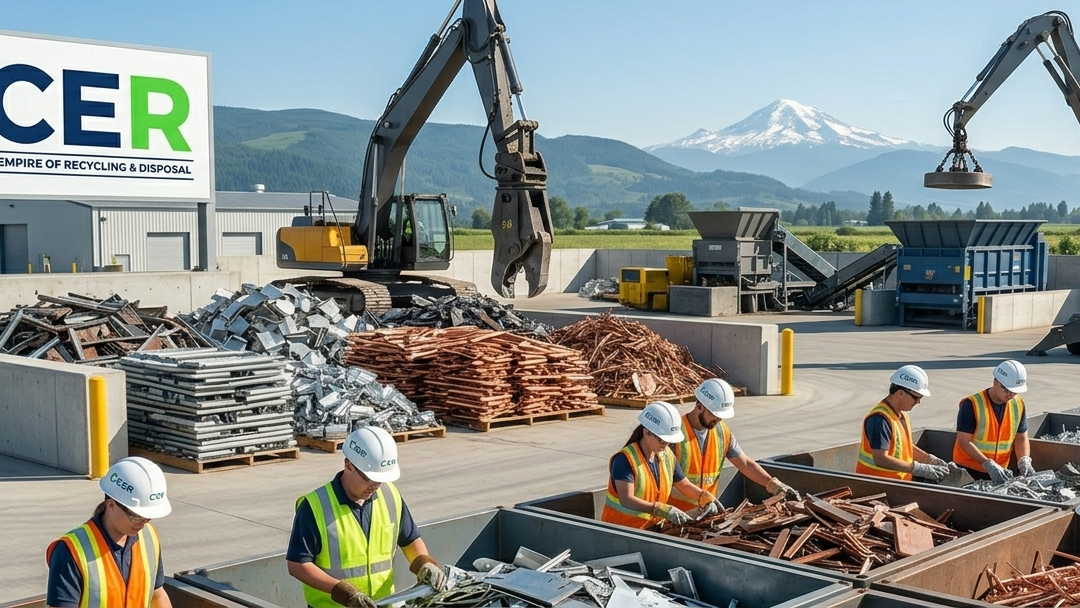
Quick Answer
Many businesses and property owners lose valuable recycling opportunities by contaminating metal loads, failing to separate materials properly, overlooking recyclable scrap, or using incorrect disposal methods. Avoiding these common mistakes can improve recycling efficiency, increase material recovery, reduce disposal costs, and support environmental sustainability in Abbotsford.
Why Metal Recycling Matters More Than Ever
Metal is one of the most valuable and recyclable materials in modern waste streams. Unlike many other materials, most metals can be recycled repeatedly without losing their core properties.
For businesses, contractors, manufacturers, and property managers, effective recycling practices help reduce landfill waste while recovering materials that can be reintroduced into production cycles.
However, even experienced organizations can make costly mistakes that reduce recycling efficiency and limit the value of recyclable materials.
Mistake #1: Mixing Different Types of Metal
One of the most common issues in recycling programs is failing to separate metal categories.
Ferrous and non-ferrous metals often require different processing methods. When materials are mixed, sorting becomes more complicated, and recovery rates may decline.
Common recyclable metals include:
- Steel
- Iron
- Aluminum
- Copper
- Brass
- Stainless steel
- Zinc
Proper segregation helps maximize recycling value and improve processing efficiency.
Mistake #2: Allowing Contamination in Scrap Loads
Contamination remains one of the biggest challenges facing recycling facilities.
Metal materials mixed with substances such as:
- Plastic
- Wood
- Concrete
- Insulation
- Chemicals
- Food waste
can reduce recyclability and increase processing costs.
Businesses should implement quality control measures before materials are transported for recycling.
Mistake #3: Ignoring High-Value Metals
Many organizations focus only on large scrap items while overlooking smaller but highly valuable materials.
Examples include:
- Copper wiring
- Electrical components
- Brass fixtures
- Aluminum framing
- Industrial equipment parts
Identifying and recovering these materials can significantly improve recycling outcomes and reduce waste.
Mistake #4: Improper Storage Before Collection
Exposure to moisture and environmental conditions can affect the quality of recyclable metals.
Rust, corrosion, and contamination may reduce material value and complicate processing efforts.
Best practices include:
- Using designated storage areas
- Protecting materials from weather exposure
- Separating recyclable metals from general waste
- Maintaining organized collection systems
Proper storage helps preserve material quality until transportation occurs.
Mistake #5: Treating All Construction Waste the Same
Construction and demolition projects generate a variety of recyclable materials.
Unfortunately, recyclable metal is often discarded alongside mixed debris.
Contractors should establish waste management plans that identify recyclable materials before demolition or renovation begins. This approach improves resource recovery while reducing disposal volumes.
Mistake #6: Failing to Train Employees
Even well-designed recycling programs can struggle without employee participation.
Workers should understand:
- Which metals can be recycled
- How materials should be sorted
- Proper storage procedures
- Contamination prevention techniques
Regular training creates consistency and improves recycling performance across projects and facilities.
Mistake #7: Overlooking Industrial and Commercial Recycling Opportunities
Many businesses generate significant quantities of recyclable metal but fail to implement formal recovery programs.
Warehouses, manufacturing facilities, automotive operations, and commercial properties often produce ongoing streams of recyclable materials.
Integrating Commercial Waste Recycling Abbotsford strategies into daily operations can help organizations improve sustainability while reducing overall waste management expenses.
Mistake #8: Not Conducting Waste Audits
Advanced recycling programs often begin with a waste audit.
A waste assessment can identify:
- Recoverable metals
- Contamination sources
- Disposal inefficiencies
- Recycling opportunities
- Cost-saving measures
Organizations that regularly evaluate their waste streams are often better positioned to improve recovery rates and environmental performance.
Mistake #9: Disposing of Recyclable Metal in Landfills
Sending recyclable metal to landfills represents a missed opportunity both environmentally and economically.
Metal recycling conserves natural resources, reduces the need for raw material extraction, and lowers energy consumption compared to producing new metals from virgin resources.
Businesses that prioritize Metal Recycling Abbotsford initiatives often achieve better sustainability outcomes while supporting the circular economy.
Advanced Strategies for Improving Metal Recycling Performance
Organizations seeking to enhance their recycling programs can benefit from:
Source Separation Programs
Separating materials at the point of generation reduces contamination and improves recycling quality.
Material Tracking Systems
Monitoring waste streams helps identify trends and opportunities for improvement.
Dedicated Collection Areas
Clearly designated recycling zones encourage proper disposal practices.
Sustainability Reporting
Tracking recycling metrics can support environmental goals and demonstrate corporate responsibility.
Continuous Employee Education
Ongoing training helps maintain high recycling standards across operations.
The Future of Metal Recycling in Abbotsford
As sustainability expectations continue to grow, businesses are increasingly looking for ways to improve resource recovery and reduce landfill dependency.
Metal recycling plays a critical role in modern waste management by conserving valuable materials, reducing environmental impact, and supporting responsible business practices.
Organizations that avoid common recycling mistakes are often better positioned to maximize efficiency, reduce costs, and achieve long-term sustainability goals.
Looking for Professional Recycling Solutions?
Whether you operate a construction company, manufacturing facility, warehouse, commercial property, or industrial site, professional recycling support can help improve material recovery and streamline waste management processes.
Canadian Empire Recycling & Disposal provides reliable recycling and waste management solutions designed to help businesses and property owners responsibly manage recyclable materials throughout Abbotsford and surrounding communities.
Contact Canadian Empire Recycling & Disposal
For expert assistance with metal recycling, commercial waste management, and sustainable disposal solutions, contact Canadian Empire Recycling & Disposal to discuss your project requirements and recycling needs.
Frequently Asked Questions
Why is contamination a problem in metal recycling?
Contamination can reduce material quality, increase processing costs, and make some loads unsuitable for recycling.
Can rusted metal still be recycled?
In many cases, yes. However, excessive corrosion may affect material value and processing efficiency.
How can businesses improve metal recycling rates?
Implementing waste audits, employee training, material separation programs, and organized collection systems can significantly improve recycling performance.
Why should commercial facilities prioritize metal recycling?
Metal recycling helps reduce disposal costs, conserve natural resources, support sustainability goals, and divert valuable materials from landfills.