
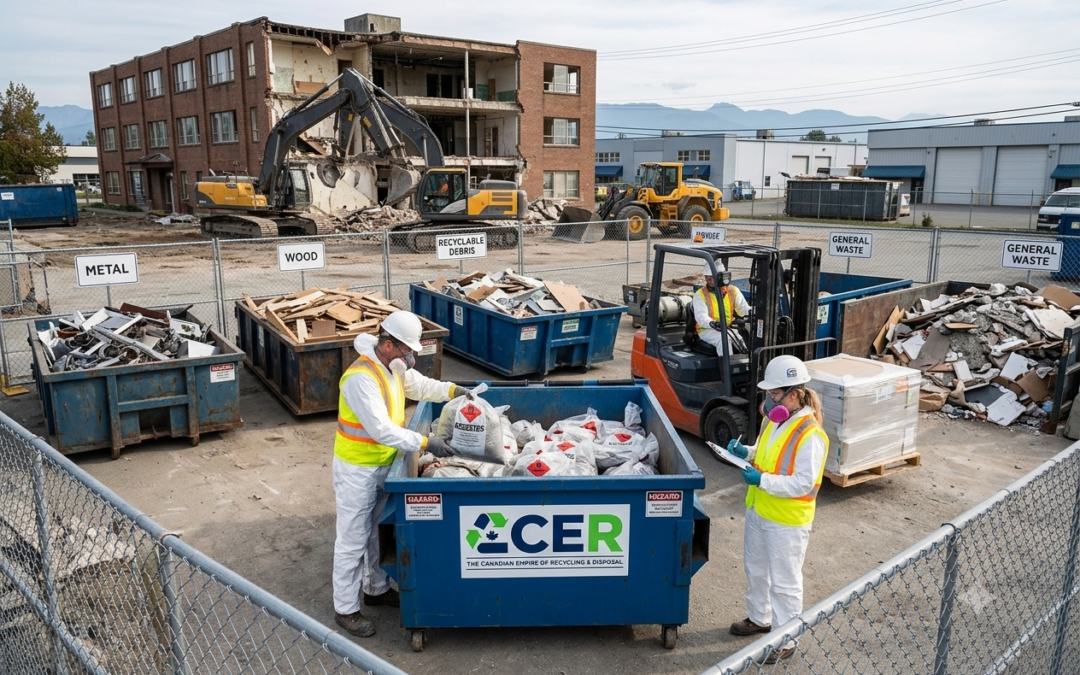
Commercial demolition projects in Abbotsford require more than planning the removal of walls, fixtures, flooring, and other building materials. Waste management should be considered before demolition begins, particularly when a property may contain asbestos-containing materials.
When asbestos is present or suspected, the waste generated during demolition cannot simply be treated like ordinary construction debris. The project needs a clear plan for identification, separation, containment, collection, and appropriate disposal. Including asbestos waste bin planning in the demolition schedule can help businesses avoid unnecessary interruptions and keep waste management organized.
For property owners, contractors, and project managers, understanding how an asbestos waste bin fits into the overall demolition process can make the project easier to coordinate from the beginning.
Why Waste Planning Should Start Before Demolition
Demolition can generate a significant volume of waste in a short period. Without a waste-management plan, materials can quickly accumulate around the site, making it harder to keep different waste streams separated.
Asbestos-containing materials require particular attention because disturbing them can release hazardous fibres. Before demolition activities begin, businesses should determine whether materials that could be disturbed require assessment and appropriate management.
Early planning allows the project team to consider:
- Which materials may contain asbestos
- How those materials will be handled
- Where asbestos-related waste will be contained
- When waste collection will take place
- How general construction waste will remain separated
- Whether other hazardous materials will also be generated
This approach makes waste management part of the demolition schedule rather than an issue that is addressed only after materials have already accumulated.
How an Asbestos Waste Bin Fits Into the Demolition Process
An asbestos waste bin is not simply another container placed at a construction site. Its role is to provide an appropriate containment solution for asbestos-related waste generated during the project.
The exact containment and waste-handling requirements depend on the material, project conditions, quantity of waste, and applicable regulations. Businesses should ensure that the selected waste-management arrangement is suitable for the materials being removed.
Planning an Asbestos Waste Bin Rental Abbotsford service can help contractors coordinate waste removal with demolition activities. Instead of allowing waste to build up without a designated collection plan, the project can establish where the material will go as it is generated.
Keep Asbestos Waste Separate From Other Demolition Debris
Commercial demolition sites often produce several different types of waste at once. Wood, metal, drywall, cardboard, fixtures, flooring, insulation, and other materials may all be removed during the same project.
Asbestos-containing materials should not automatically be mixed with these general materials.
Keeping waste streams separated can make handling more organized and can also help preserve recyclable materials for recovery. It reduces the possibility of asbestos-containing materials being accidentally placed into a general construction waste stream.
For example, a demolition project may establish separate processes for:
- Asbestos-containing materials
- General construction debris
- Scrap metal
- Cardboard and packaging
- Recyclable materials
- Other hazardous materials
The specific procedures should be established according to the materials involved and the requirements of the project.
What Other Hazardous Waste Could a Demolition Project Generate?
Asbestos may not be the only material requiring specialized management. Commercial demolition and renovation projects can also uncover chemicals, paints, solvents, batteries, oils, contaminated materials, and other potentially hazardous products.
These materials should be identified separately rather than assuming that every unusual material can be placed into an asbestos container.
Businesses planning Hazardous Waste Disposal Abbotsford should review the waste expected from the entire project and determine which materials require separate handling, containment, collection, or disposal arrangements.
This is particularly important when demolishing older commercial buildings, industrial spaces, workshops, warehouses, and properties that have undergone multiple renovations.
Coordinate Bin Service With Demolition Phases
Large commercial demolition projects may not happen all at once. Work can be divided into multiple phases, with different areas of a building being cleared at different times.
Waste-bin planning should therefore reflect the project’s actual schedule.
For example, the project manager can coordinate waste collection around:
- Pre-demolition preparation
- Removal of identified asbestos-containing materials
- Demolition of specific building sections
- Separation of recyclable and general waste
- Additional material removal
- Final site cleanup
This type of coordination can reduce unnecessary waste accumulation and make it easier for contractors to maintain a clean and organized work area.
Why Bin Capacity and Collection Timing Matter
A demolition site can generate waste much faster than expected. If a designated container reaches capacity before the next stage of work is ready, contractors may have limited space to continue safely and efficiently.
For this reason, the project team should estimate expected waste volumes and discuss collection timing before work begins.
The goal is not simply to have a bin available. The goal is to have a waste-management schedule that matches the pace of demolition.
For businesses using Bin Rental Services Abbotsford, this broader planning approach can help coordinate containers, collection schedules, and different waste streams throughout the project.
What Should Property Managers Discuss With Contractors?
Property managers should make waste management part of the initial project discussion rather than leaving it entirely to the end of the demolition process.
Important questions include:
- Has the property been assessed for potential asbestos-containing materials where required?
- Which materials will be removed first?
- How will asbestos-related waste be separated?
- What type of containment will be used?
- Where will waste containers be positioned?
- How frequently will waste be collected?
- Are there other hazardous materials expected?
- Which materials can be recycled separately?
Answering these questions early can help identify potential logistical problems before demolition begins.
Why Proper Planning Can Reduce Project Disruptions
Poor waste planning can create avoidable problems. Containers can fill unexpectedly, waste can accumulate in work areas, recyclable materials can become mixed with other debris, and contractors may need to stop work while an appropriate waste solution is arranged.
Asbestos adds another layer of complexity because it requires careful handling and containment.
A coordinated waste-management plan helps the project team understand what happens to each waste stream from the moment material is removed until it is collected and taken for appropriate management.
This does not eliminate every possible delay, but it can reduce problems caused by last-minute waste arrangements.
Planning for Asbestos Waste Before Commercial Demolition
The best time to think about asbestos waste disposal Abbotsford is before demolition begins. Property owners and contractors should identify potential asbestos concerns, establish appropriate procedures, arrange suitable containment, and coordinate collection as part of the project plan.
Businesses should also make sure that workers understand which materials require special handling and that asbestos-related waste is not treated like ordinary construction debris.
When the waste plan is integrated into the demolition schedule, the project can move through each phase with a clearer understanding of how materials will be contained and removed.
An asbestos waste bin is one part of a much larger demolition waste-management plan. For Abbotsford commercial projects, successful planning means understanding potential asbestos materials, separating waste streams, arranging suitable containment, coordinating collection, and accounting for other hazardous materials generated during demolition.
Businesses should plan these requirements before work begins rather than waiting until asbestos-related waste has already accumulated on site.
If your commercial demolition project requires professional waste-management support, Canadian Empire Recycling & Disposal can help you plan an appropriate solution for your project. Contact Canadian Empire Recycling & Disposal to discuss Asbestos Waste Disposal, asbestos waste bin requirements, hazardous materials, and commercial waste-management needs.
Frequently Asked Questions
Can asbestos waste be placed in a regular construction bin?
Businesses should not assume that asbestos-containing materials can be placed in a regular construction bin. Asbestos waste requires appropriate containment and handling based on the material and applicable requirements.
When should an asbestos waste bin be arranged for a demolition project?
It is best to plan the waste container before demolition begins. This allows the project team to coordinate containment and collection with the demolition schedule rather than arranging waste management after materials have accumulated.
Can other hazardous materials go into an asbestos waste bin?
Not necessarily. Other hazardous materials, such as chemicals, oils, solvents, batteries, or contaminated products, may have different handling requirements. Waste streams should be identified and managed separately when necessary.
How can businesses reduce waste-related delays during demolition?
Businesses can reduce avoidable disruptions by identifying potential asbestos materials before work starts, estimating waste volumes, arranging suitable containment, separating waste streams, and coordinating collection with each stage of the demolition project.