
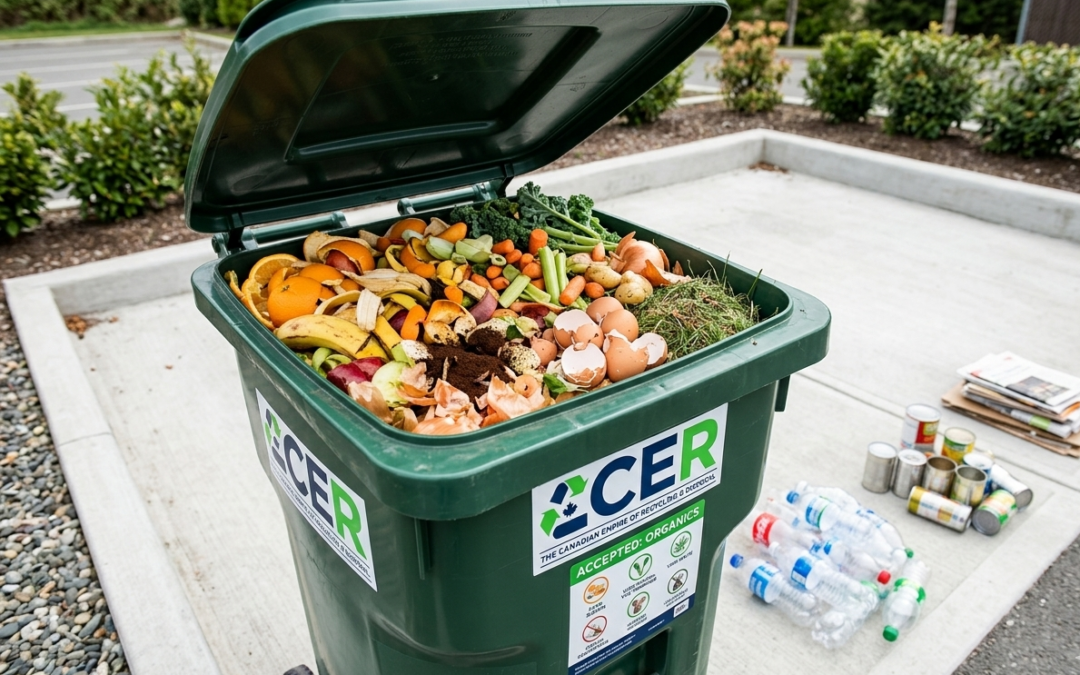
Organic waste recycling plays an important role in reducing landfill waste and supporting environmental sustainability. Every year, households, businesses, restaurants, and institutions generate large amounts of food scraps, yard waste, and other compostable materials. When these materials are disposed of correctly, they can be transformed into nutrient-rich compost instead of occupying valuable landfill space.
However, many people remain unsure about what items belong in organic waste recycling bins and what materials should be kept out. Placing the wrong items in an organic waste bin can contaminate entire loads of compostable material, increase processing costs, and reduce the effectiveness of recycling programs.
Understanding the difference between acceptable and unacceptable materials helps ensure organic recycling programs operate efficiently and deliver maximum environmental benefits.
What Is Organic Waste Recycling?
Organic waste recycling is the process of collecting and processing biodegradable materials such as food scraps, yard debris, and certain compostable products. These materials are broken down naturally through controlled composting processes and converted into useful soil amendments.
Unlike traditional garbage disposal, organic recycling helps:
- Reduce landfill waste
- Lower greenhouse gas emissions
- Create nutrient-rich compost
- Improve soil health
- Support sustainable waste management practices
As municipalities and businesses continue to prioritize environmental responsibility, participation in organic recycling programs becomes increasingly important.
Why Proper Sorting Matters
One of the biggest challenges in organic waste recycling is contamination. Non-compostable materials mixed with organic waste can interfere with processing systems and reduce the quality of finished compost products.
Common contaminants include plastic bags, metal objects, glass containers, and synthetic materials. Proper sorting helps maintain recycling efficiency while preventing unnecessary waste from ending up in landfills.
Taking a few extra moments to separate materials correctly can make a significant difference in the success of composting programs.
What Can Go Into Organic Waste Recycling Bins?
While accepted materials may vary slightly depending on local recycling programs, the following items are commonly accepted in most organic waste bins.
Food Scraps
Food waste Abbostford represents one of the largest categories of compostable material.
Examples include:
- Fruit and vegetable peels
- Leftover cooked food
- Bread and baked goods
- Rice and pasta
- Coffee grounds
- Tea bags
- Eggshells
- Dairy products
- Meat scraps
- Fish and seafood remains
These materials decompose naturally and contribute valuable nutrients to compost products.
Yard Waste
Organic recycling programs commonly accept landscaping and garden materials such as:
- Grass clippings
- Leaves
- Small branches
- Plant trimmings
- Weeds
- Flowers
- Shrub cuttings
Yard waste helps create balanced compost mixtures and supports efficient decomposition.
Food-Soiled Paper Products
Certain paper products contaminated with food can often be composted rather than recycled.
Examples include:
- Paper napkins
- Paper towels
- Pizza boxes with grease stains
- Compostable paper plates
- Uncoated paper packaging
These items break down naturally during the composting process.
Certified Compostable Products
Many facilities accept certified compostable products designed specifically for organic recycling programs.
Examples may include:
- Compostable food containers
- Compostable cutlery
- Compostable liners
- Compostable cups and plates
Always verify that products meet accepted compostability standards before disposal.
Organic Waste Recycling for Homes and Businesses
The demand for Organic Waste Recycling Abbotsford continues to grow as residents and businesses seek environmentally responsible waste management solutions. Restaurants, grocery stores, schools, offices, and households all generate substantial amounts of compostable material that can be diverted from landfills through effective recycling programs.
By participating in organic recycling initiatives, organizations can reduce disposal costs, support sustainability goals, and contribute to cleaner communities.
What Cannot Go Into Organic Waste Recycling Bins?
Understanding prohibited materials is equally important for preventing contamination.
Plastic Products
Traditional plastics should never be placed in organic waste bins.
Examples include:
- Plastic bags
- Plastic packaging
- Water bottles
- Food wrappers
- Plastic utensils
- Plastic containers
Even small amounts of plastic contamination can negatively impact compost quality.
Glass
Glass materials do not decompose and can damage compost processing equipment.
Avoid placing:
- Glass bottles
- Drinking glasses
- Mirrors
- Glass containers
These items should be directed to the appropriate glass recycling Abbostford instead.
Metal
Metal objects are not compostable and must remain separate from organic waste.
Examples include:
- Aluminum cans
- Food tins
- Foil products
- Metal lids
- Wire materials
Hazardous Materials
Hazardous substances should never enter organic waste recycling systems.
Examples include:
- Chemicals
- Paint
- Solvents
- Batteries
- Motor oil
- Cleaning products
These materials can contaminate compost and create environmental risks.
Pet Waste
Many composting facilities do not accept pet waste because it may contain harmful bacteria and pathogens.
Examples include:
- Dog waste
- Cat litter
- Animal bedding contaminated with waste
Always follow local disposal guidelines regarding pet waste management.
Treated or Painted Wood
Wood treated with chemicals or paint can introduce contaminants into composting systems.
Avoid placing:
- Pressure-treated lumber
- Painted wood
- Stained wood
- Composite building materials
These items require alternative disposal methods.
Common Organic Recycling Mistakes
Many contamination issues result from simple misunderstandings. Common mistakes include:
- Using regular plastic bags for food scraps
- Placing recyclable containers in organic bins
- Disposing of diapers or hygiene products
- Mixing construction debris with compostables
- Including non-certified compostable packaging
Reviewing accepted materials periodically can help reduce contamination rates.
Managing Organic Waste During Cleanup Projects
Large residential and commercial cleanup projects often generate significant amounts of organic material. Landscaping projects, property cleanouts, and seasonal yard maintenance can quickly create substantial waste volumes.
Utilizing Bin Rental Services Abbotsford can simplify the collection and transportation of organic debris while keeping work areas clean and organized. Proper waste separation allows recyclable organic materials to be processed efficiently while reducing landfill disposal requirements.
Environmental Benefits of Organic Waste Recycling
Proper organic waste recycling delivers numerous environmental advantages:
- Reduces methane emissions from landfills
- Conserves landfill capacity
- Produces valuable compost products
- Improves soil quality
- Supports sustainable agriculture
- Encourages responsible resource management
As communities continue pursuing environmental goals, organic recycling remains one of the most effective waste diversion strategies available.
Tips for Better Organic Waste Recycling
To maximize recycling success:
- Learn local acceptance guidelines.
- Use approved compostable liners when required.
- Remove packaging before disposal.
- Separate recyclables from organic materials.
- Avoid contaminating bins with plastic products.
- Educate family members or employees about proper sorting practices.
Small habits can significantly improve recycling outcomes over time.
Organic waste recycling provides a practical and environmentally responsible solution for managing food scraps, yard waste, and other compostable materials. Knowing what can and cannot go into organic waste recycling bins helps reduce contamination, improve compost quality, and support more sustainable waste management systems.
Whether you are managing household waste, operating a business, or handling a large property cleanup project, proper sorting practices ensure that compostable materials are diverted from landfills and transformed into valuable resources.
For professional recycling and waste management solutions, contact Canadian Empire Recycling & Disposal. Their experienced team offers reliable waste collection, recycling services, bin rentals, and environmentally responsible disposal solutions throughout Abbotsford and surrounding communities.
Frequently Asked Questions
Are compostable bags accepted in organic waste bins?
Many facilities accept certified compostable bags, but acceptance policies vary. Always check local guidelines.
Can grass clippings and leaves be recycled organically?
Yes. Yard waste, such as grass, leaves, branches, and plant trimmings, is commonly accepted.
Why are plastic bags not allowed in organic waste bins?
Plastic does not decompose during composting and can contaminate the finished compost product.
What should I do with hazardous materials?
Hazardous materials such as paint, chemicals, batteries, and solvents should be taken to approved hazardous waste disposal facilities and never placed in organic recycling bins.