
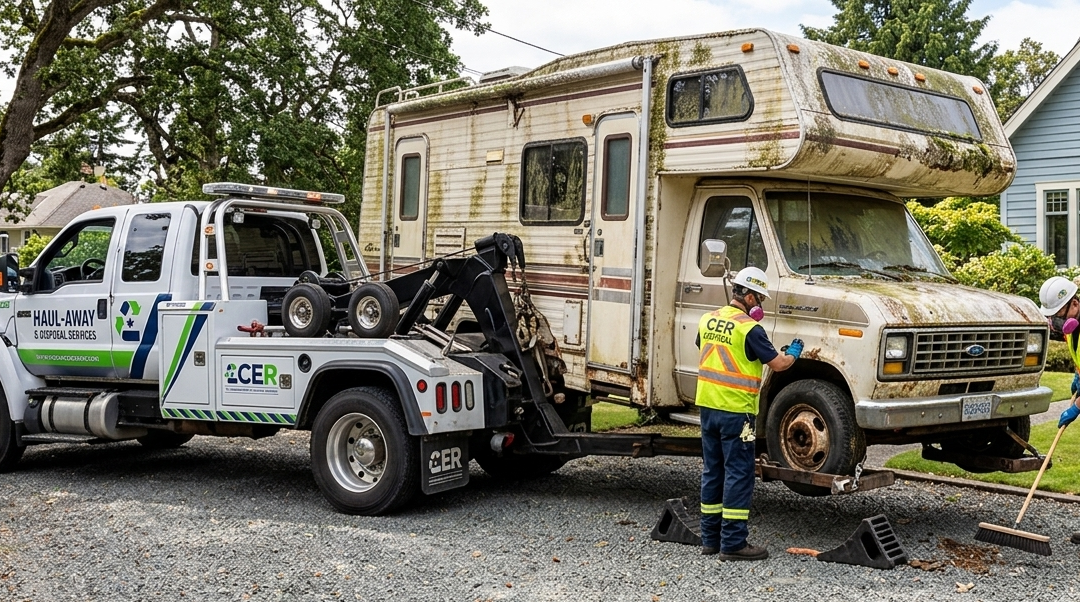
Recreational vehicles are designed for adventure, travel, and convenience, but over time, many RVs become too damaged, outdated, or expensive to repair. Mechanical failures, water damage, accidents, rust, and long-term wear can eventually leave owners with a non-running RV taking up valuable space on their property.
For many property owners in Victoria, figuring out what to do with an unwanted RV can feel overwhelming. These large vehicles are difficult to move, expensive to repair, and often impossible to sell in poor condition. Fortunately, there are practical and environmentally responsible ways to dispose of damaged or non-running RVs safely.
Understanding your disposal options can help you avoid unnecessary stress while freeing up space quickly and efficiently.
Why RVs Become Non-Operational
RVs experience significant wear over the years because they combine vehicle systems with residential-style living components. Unlike regular vehicles, RVs contain plumbing, electrical systems, appliances, roofing, and interior structures that can deteriorate over time.
Some of the most common reasons RVs become unusable include:
- Engine or transmission failure
- Severe rust or frame damage
- Water leaks and mold problems
- Accident or collision damage
- Electrical system failure
- Tire and suspension issues
- Roof deterioration
- Long-term storage damage
In many cases, repair costs exceed the actual value of the RV, making disposal the more practical option.
Evaluate the Condition of the RV
Before deciding on disposal, it’s important to evaluate the condition of the vehicle carefully. Some RVs may still have salvageable components or resale value depending on their age and condition.
Ask yourself these questions:
- Is the engine repairable?
- Does the RV have structural damage?
- Are appliances still functioning?
- Is there extensive water damage or mold?
- How much would repairs cost?
- Is the RV safe to transport?
A professional inspection can help determine whether selling, recycling, or scrapping the RV makes the most financial sense.
Remove Personal Belongings First
Many RV owners forget how much personal property remains inside their vehicle after years of travel and storage. Before disposal begins, thoroughly inspect the RV and remove:
- Personal documents
- Electronics
- Clothing and supplies
- Food and kitchen items
- Camping equipment
- Tools and accessories
- Registration paperwork
Storage compartments, cabinets, and hidden areas should also be checked carefully before removal services arrive.
Consider Selling Usable Parts
Even heavily damaged RVs may contain valuable parts that can be reused or sold separately. Appliances, generators, furniture, tires, solar panels, and propane systems sometimes retain value even if the RV itself no longer functions.
Owners with time and mechanical knowledge may choose to sell usable components before disposal. However, dismantling an RV yourself can be time-consuming and may require proper handling of hazardous materials.
For many people, full RV removal services remain the easiest and safest option.
Understand Environmental Concerns
Old RVs contain several materials that require responsible disposal. Fuel, oil, batteries, coolants, propane tanks, and chemical waste must be handled carefully to prevent environmental contamination.
Improper disposal can harm soil, waterways, and local ecosystems. Dumping RVs illegally or abandoning them on private property may also lead to fines or legal complications.
Professional disposal services ensure hazardous materials are removed safely while recyclable materials are processed properly.
Towing a Non-Running RV
One of the biggest challenges with damaged RVs is transportation. Non-operational vehicles often cannot be moved without specialized towing equipment.
Depending on the size and condition of the RV, removal may require:
- Flatbed towing
- Heavy-duty recovery equipment
- Winch systems
- Large transport vehicles
- Specialized hauling permits
Attempting to tow a severely damaged RV without professional equipment can create safety risks and additional property damage.
Recycling Old RV Materials
Many RV components can be recycled rather than sent directly to landfills. Metal frames, aluminum siding, steel parts, wiring, and certain appliances may be reusable after dismantling.
Responsible recycling reduces environmental waste and supports more sustainable disposal practices. Professional RV disposal companies often separate recyclable materials during the removal process.
This helps minimize landfill waste while recovering valuable materials safely.
Common Problems with Abandoned RVs
Leaving a damaged RV unused for long periods can create additional issues for property owners. Abandoned RVs may attract pests, leak fluids, develop mold, or become unsafe over time.
Some municipalities also have bylaws regarding inoperable vehicles stored on residential or commercial properties. Property owners may face complaints or penalties if abandoned RVs remain visible for extended periods.
Removing non-running RVs quickly helps maintain property appearance, safety, and compliance with local regulations.
Preparing an RV for Disposal
Before scheduling RV disposal Victoria, owners can take several steps to simplify the process:
Remove Valuable Items
Take out anything you wish to keep before the RV is transported.
Drain Fluids if Possible
Some disposal companies Victoria may request that fuel, propane, or water tanks be emptied beforehand.
Gather Ownership Documents
Having registration or ownership paperwork available can help speed up the removal process.
Take Photos
Documenting the RV’s condition may help if questions arise during disposal or transportation.
Clear Access Paths
Ensure tow trucks and heavy equipment can safely access the RV location.
Choosing Professional RV Disposal Services
Professional RV disposal companies help simplify the removal process by handling transportation, recycling, and disposal safely. Experienced teams understand how to manage oversized vehicles while following environmental regulations.
Reliable disposal providers can assist with:
- Non-running RV removal
- Damaged camper disposal
- Heavy towing services
- RV recycling
- Hazardous material handling
- Property cleanups
Hiring experienced professionals saves time while reducing safety and environmental risks.
Benefits of Proper RV Disposal
Proper disposal offers several important advantages for property owners:
- Frees up valuable space
- Eliminates safety hazards
- Prevents environmental contamination
- Improves property appearance
- Reduces liability risks
- Supports responsible recycling practices
Removing unwanted RVs can also make residential or commercial properties easier to maintain and improve overall curb appeal.
Damaged or non-running RVs can quickly become expensive, unsafe, and difficult to manage. Whether caused by age, mechanical failure, water damage, or accidents, many old RVs eventually reach a point where repairs are no longer practical.
Understanding your disposal options and working with experienced professionals can make the process far less stressful. Safe removal, recycling, and environmentally responsible disposal help protect both your property and the surrounding environment.
If you need reliable assistance removing an unwanted RV, contact Canadian Empire Recycling & Disposal for professional RV disposal and recycling solutions in Victoria.