
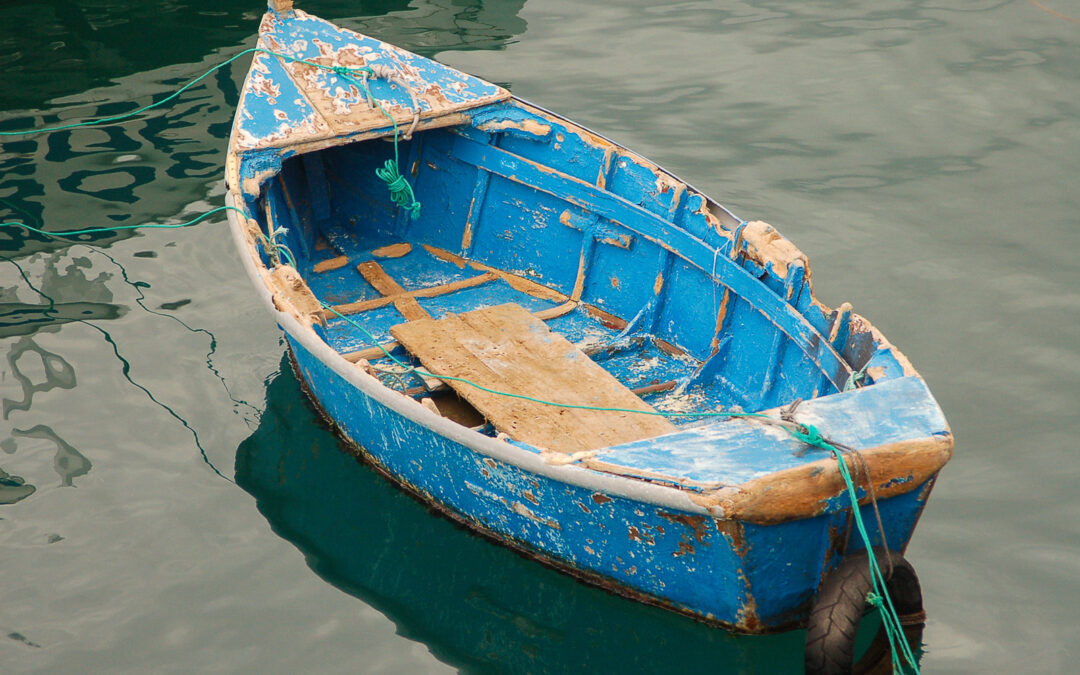
Victoria’s stunning coastline makes boating a way of life for many residents. But what happens when a vessel has reached the end of its journey? Old boats, whether damaged, abandoned, or simply no longer seaworthy, can quickly turn from a treasured possession into an environmental hazard. Disposing of them responsibly is not only the right thing to do—it’s also required by law in British Columbia.
Why Old Boat Disposal Matters
When boats are left to deteriorate, they pose several risks:
- Environmental hazards: Many boats contain hazardous materials like fuel, oils, batteries, and fiberglass that can pollute water and soil if not disposed of correctly.
- Navigation dangers: Abandoned or sunken boats can obstruct waterways, creating hazards for other vessels.
- Community impact: Derelict vessels are eyesores that harm the natural beauty of Victoria’s shoreline and decrease property values.
Improper disposal is not just inconvenient; it can also lead to fines and legal consequences.
Challenges in Disposing of Old Boats
Unlike typical household waste, boats are complex structures built with a mix of materials that require different handling methods. Wood, fiberglass, metals, plastics, and hazardous substances all need to be separated and processed safely.
Fiberglass boats, in particular, present unique challenges. Fiberglass doesn’t decompose easily and can linger in landfills for centuries. This is why local recycling and waste management companies, such as Canadian Empire Recycling, are working toward more sustainable solutions for dismantling and recycling fiberglass vessels.
Step 1: Assess the Boat’s Condition
Before disposing of an old vessel, consider whether parts of it can be salvaged or reused. Some components, such as engines, propellers, sails, or electronics, may still hold value. Selling or donating these parts can reduce waste and help offset disposal costs.
If the vessel is still seaworthy, donating it to a nonprofit, youth sailing program, or educational organization may be a viable option. However, most boats that require disposal are beyond repair, which means proper dismantling and recycling will be necessary.
Step 2: Remove Hazardous Materials
The next step is ensuring all hazardous materials are removed. This may include:
- Fuel and oil from tanks and lines
- Batteries from electrical systems
- Fire extinguishers and flares
- Refrigerants and coolants from onboard systems
These materials must be transported to licensed hazardous waste facilities to prevent environmental contamination. Never attempt to dump them into the ocean, storm drains, or garbage bins.
Step 3: Dismantling the Boat
Dismantling a boat involves breaking it down into its major components. This can be done by professional disposal services that specialize in marine vessels. The hull, deck, and other structural elements are separated and sorted into recyclable and non-recyclable materials.
Metal parts, for example, can often be recycled. Fiberglass sections may need to be taken to specialized facilities for grinding and repurposing into cement or other construction materials.
Step 4: Recycling and Disposal Options
Victoria offers several responsible avenues for old boat disposal:
- Marine salvage companies: These businesses specialize in dismantling boats and ensuring recyclable parts are recovered.
- Local recycling depots: Some facilities accept certain boat components, such as scrap metal and batteries.
- Hazardous waste collection: Designated depots accept chemicals, fuels, and other harmful substances for safe disposal.
- Boat disposal programs: At times, government or nonprofit organizations run programs to help remove derelict vessels from waterways at reduced or no cost.
Researching available options ensures your waste is disposed of in compliance with environmental regulations.
Step 5: Documentation and Compliance
When disposing of a vessel, you may need to provide proof of ownership and deregistration documents, especially if the vessel was previously licensed. This helps prevent abandoned issues and ensures legal compliance.
Keeping records of how and where waste was disposed of is also useful for accountability and may be required for certain disposal programs.
Benefits of Responsible Boat Disposal
Handling boat disposal Victoria responsibly offers several benefits:
- Environmental protection: Hazardous waste is managed safely, and recyclable materials are recovered.
- Legal compliance: Avoids fines, penalties, and liability issues.
- Community impact: Keeps Victoria’s waterways and shorelines clean and safe.
- Sustainability: Encourages recycling and reduces the strain on landfills.
Charting a Responsible Course
vessel, like all possessions, eventually reaches the end of its usable life. When that time comes, it’s essential to take responsibility for their disposal. By assessing the vessel, removing hazardous materials, dismantling safely, and using professional recycling services, you can protect the environment, stay compliant with local laws, and contribute to a cleaner community.
For reliable help with safe and eco-friendly disposal, contact Canadian Empire Recycling. They specialize in handling marine waste, hazardous materials, and recycling solutions, ensuring your old vessel is dismantled responsibly and sustainably. With their expertise, you can rest assured that your vessel is managed in a way that protects both the environment and the community.