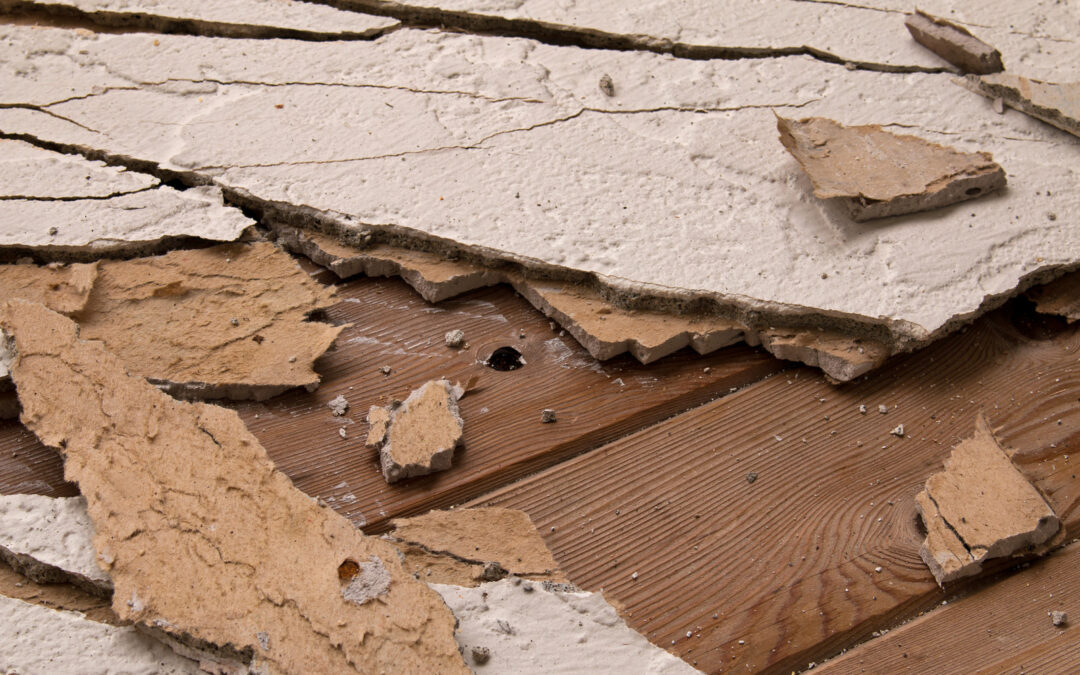
When working on renovation or construction projects, one of the most common materials contractors have to deal with is drywall waste. While it might seem harmless, drywall can’t simply be tossed into a dumpster or landfill. Strict environmental regulations govern how gypsum-based materials are handled and disposed of. Improper disposal can lead to costly fines, environmental damage, and project delays. So, where exactly can contractors dispose of drywall legally, and how can they do it responsibly? Let’s break it down.
Understanding the Problem with Drywall Waste
Drywall, also known as gypsum board or plasterboard, is made primarily from calcium sulfate dihydrate, a mineral that’s not inherently hazardous. However, once it breaks down, especially in wet conditions, it can produce hydrogen sulfide gas, which is toxic and unpleasant. Because of this, drywall is classified as restricted waste in many regions.
Contractors who remove or replace drywall during renovations need to ensure it’s properly sorted, transported, and dropped off at an approved facility.
Why Drywall Needs Special Handling
When drywall is mixed with general waste, it not only increases disposal costs but can also lead to environmental issues. Improperly handled drywall can:
- releases harmful gases as it decomposes.
- Contaminate soil and water with sulfate compounds.
- Contribute to unnecessary landfill volume.
That’s why responsible contractors in Vancouver rely on Drywall Removal Services to ensure all waste is collected, transported, and disposed of safely in compliance with local regulations. These services handle the heavy lifting literally and legally, ensuring all waste ends up in approved facilities instead of being dumped illegally.
Legal Disposal Options for Drywall
Contractors working have several legal ways to dispose of drywall. Following city regulations ensures that materials are handled safely and sustainably while keeping projects compliant. Here are the main options available:
- Approved Recycling Depots
Vancouver has several recycling depots designed to handle drywall and gypsum waste. These facilities separate and process drywall so the gypsum can be reused in manufacturing, soil improvement, or cement production. This helps reduce landfill waste and supports a circular construction economy. - Municipal Disposal Sites
The City of Vancouver has specific guidelines for drywall disposal, particularly for used materials. Contractors must ensure all drywall is free of asbestos and other contaminants before drop-off. Proper labeling, sorting, and following disposal schedules are essential to ensure materials are accepted. - Licensed Waste Collection Services
For contractors managing larger renovation or demolition projects, hiring licensed waste haulers is a convenient option. These services collect drywall waste directly from the job site and transport it to authorized facilities for recycling or disposal, saving both time and effort. - On-Site Waste Segregation
Separating drywall from other construction materials right at the job site can make the disposal process smoother and more efficient. Clean, uncontaminated drywall is often accepted for recycling, while mixed waste can lead to higher disposal costs or rejection at facilities.
Asbestos Testing: A Critical Step
Before you dispose of old drywall, especially from buildings constructed before 1990, asbestos testing is mandatory. Many older structures contain asbestos in drywall joint compound or texture coatings. Contractors must provide documentation showing that the drywall has been tested and cleared before disposal.
Certified environmental testing services can help verify that your materials are safe to handle. Once cleared, the drywall can be transported to a legal drop-off site or collected by a certified disposal company.
Eco-Friendly Drywall Recycling
Recycling drywall is one of the most effective ways to reduce construction waste. The gypsum core can be recovered and reused in manufacturing, while the paper backing can be turned into new paper products or composted. Some eco-conscious recycling facilities specialize in separating and processing these components efficiently.
For contractors focused on sustainability, recycling drywall offers several benefits:
- Reduced landfill waste
- Lower disposal costs
- Compliance with green building standards
- Support for Vancouver’s zero-waste goals
Recycling drywall also supports Vancouver’s broader environmental targets, helping keep materials in circulation and reducing emissions associated with producing new gypsum.
The Role of Professional Drywall Removal Services
Hiring professional removal experts ensures that drywall waste is handled safely, efficiently, and in compliance with local regulations. These specialists handle everything from the initial tear-out to sorting, transportation, and disposal documentation.
Contractors benefit from these services by:
- Saving time and labor on cleanup.
- Reducing the risk of regulatory fines.
- Ensuring safety and cleanliness on the job site.
Partnering with a trusted service also ensures you meet environmental compliance standards while maintaining project timelines.
Streamline Your Waste Management with Canadian Empire Recycling
If you’re looking for a dependable, eco-conscious partner to handle drywall disposal and recycling, Canadian Empire Recycling is your go-to solution. They provide professional pickup and Drywall Removal Services Vancouver contractors rely on for compliance and convenience. Their team ensures all drywall waste is tested, transported, and dropped off legally at approved facilities, helping keep your project sites clean and regulation-friendly.
By choosing responsible disposal methods, contractors not only protect the environment but also uphold reputation for sustainability and green construction.
Contact Canadian Empire Recycling to learn more about safe and legal drywall disposal options for your next renovation or construction project.