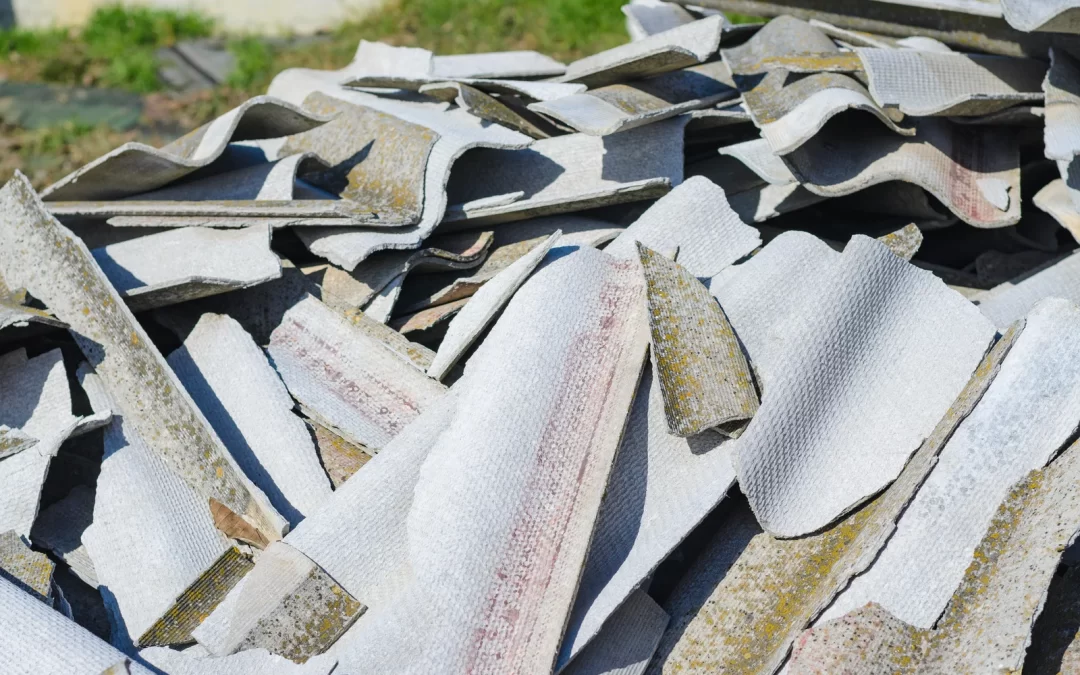
Asbestos remains one of the most tightly regulated materials in British Columbia, and for good reason. Once these fibres become airborne, they can pose long-term health dangers for anyone exposed. Homes, commercial buildings, and older structures across may still contain asbestos in insulation, flooring, siding, and drywall compounds. Because of these risks, the city enforces strict rules to ensure handling, storage, and transport of this material follow safe procedures. Staying compliant is essential for contractors, property owners, and renovation teams working on both small and large projects.
Understanding Why Compliance Matters
Asbestos cannot be treated like typical debris. The hazards become worse when the material is disturbed, crushed, or cut, making controlled removal crucial. When disposal is done incorrectly, fibres can travel through the air, move into indoor spaces, or reach outdoor areas where people and animals may inhale them. Compliance protects public health, prevents contamination, and keeps renovation or demolition tasks lawful and organized.
Improper disposal can also lead to penalties. Vancouver’s regulations are enforced to protect workers and neighbourhoods. Failing to follow these requirements can delay projects, increase cleanup costs, and create legal issues for businesses or homeowners.
Where Asbestos Is Often Found in Vancouver Structures
Many buildings built before 1990 have a high likelihood of containing asbestos products. These include:
- Floor tiles and adhesives
- Pipe insulation
- Roofing materials
- Drywall compound
- Stucco
- Plaster
- Ceiling texture (such as popcorn ceilings)
Because asbestos can hide beneath multiple layers of renovation work, testing is critical before any cutting or removal begins. A certified lab must confirm the presence or absence of asbestos before waste-handling plans are created.
Asbestos Waste Disposal
Asbestos Waste Disposal Vancouver guidelines require that confirmed asbestos-containing materials be packaged, labelled, and transported according to provincial laws. Workers must use approved bags or sealed containers, ensuring fibres cannot escape during lifting or movement. Only licensed transporters can relocate this type of waste to authorized sites designed to handle it safely.
Testing and Assessment Before Any Work Begins
Before removal, an inspection must be performed by a trained professional. This assessment identifies each area containing and determines the safest removal method. Skipping this step increases the risk of accidental exposure.
A complete assessment includes:
- Sampling materials
- Determining the quantity and condition
- Creating a removal plan
- Selecting suitable protective equipment
Following expert testing ensures the entire project meets employment and environmental safety rules.
Safe Removal Steps for Compliance
Once asbestos is confirmed, a planned approach is essential. Key steps include:
1. Setting Up a Controlled Work Area
Workers must seal off the space using plastic sheeting, negative air machines, and warning signage. This prevents dust from spreading into other areas.
2. Wearing Proper Protective Gear
Respirators, gloves, and full-body suits are required. These items reduce exposure risks and maintain workplace safety.
3. Using the Right Removal Techniques
Asbestos material should remain wet during removal to reduce airborne particles. Gentle handling also minimizes fibre release.
4. Securing Waste Properly
Once removed, the debris must be placed in approved containers or double-bagged using thick, labelled bags that meet regulatory standards.
Hazardous Waste Disposal
Hazardous Waste Disposal Vancouver policies outline how chemical-based or toxic materials—including asbestos—must be separated from general construction debris. Vancouver’s authorized facilities are equipped to process and contain these materials safely. Bringing asbestos to unauthorized locations is illegal and can create immediate environmental harm.
Transporting Asbestos Waste Legally
Transport rules are clear: only registered carriers may move asbestos waste. Vehicles transporting these materials must maintain secure, sealed loads with proper documentation. Labels and manifest forms ensure the waste arrives at the correct facility and is accounted for from the job site to the final destination.
Attempting to transport asbestos without approval violates provincial regulations and can result in fines or forced work stoppages.
Why Professional Support Matters
Asbestos removal and disposal require specialized expertise. Many homeowners and even some contractors underestimate the complexity of the process. A qualified service provider understands rules, uses proper equipment, and ensures every phase of the project meets legal requirements. This support protects workers, neighbours, and the environment while keeping renovation or demolition schedules on track.
Professional services also reduce mistakes. Something as small as a torn waste bag or a missed label can lead to non-compliance. Experienced teams prevent these errors through trained handling, accurate documentation, and dependable transport.
How Canadian Empire Recycling Supports Safe Disposal
Canadian Empire Recycling offers reliable waste-management solutions for materials requiring special handling. The company guides secure packaging, transport rules, and approved disposal options, helping projects remain compliant from start to finish. For anyone planning renovation, demolition, or cleanup work that may involve asbestos, partnering with a knowledgeable team simplifies the entire process.
If you’re preparing a project and need proper disposal support, Canadian Empire Recycling is available to help. Contact Canadian Empire Recycling for safe handling, expert guidance, and fully compliant asbestos waste solutions.