
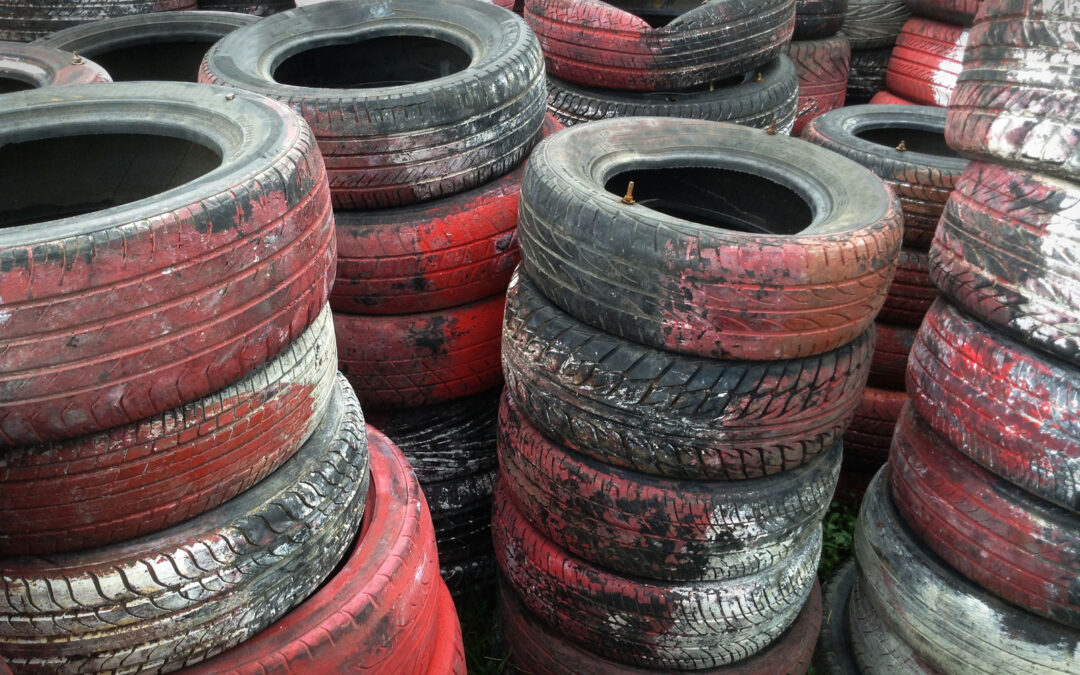
Old tires are one of the most common yet challenging waste items generated by households, auto shops, construction companies, and fleet operators. When discarded improperly, tires can create serious environmental and safety hazards, including fire risks, mosquito breeding grounds, and long-term landfill pollution. That’s why Vancouver has strict regulations and approved programs in place to ensure tires are recycled responsibly.
This guide explains how to safely and legally recycle old tires, outlines the available options, and highlights why professional recycling services are often the best choice.
Why Tire Recycling Is Important
Tires are designed to be durable, which makes them difficult to break down naturally. When dumped illegally or left in landfills, they can take decades to decompose. Tire fires are also hazardous and difficult to extinguish, releasing toxic smoke and oils into the environment.
Recycling helps divert tires from landfills and turns them into valuable materials such as rubber mulch, playground surfaces, athletic tracks, and even fuel alternatives. Proper tire recycling Vancouver programs support sustainability goals while protecting public health and local ecosystems.
Are Old Tires Considered Hazardous Waste?
While tires are not classified as hazardous waste in the same way as chemicals or asbestos, they are regulated due to their environmental impact. Tires must never be placed in regular garbage bins or dumped illegally.
In some cases—especially when tires are contaminated with oils, chemicals, or other substances—they may fall under broader Hazardous Waste Disposal Vancouver considerations and require professional handling to ensure safe processing.
Legal Ways to Recycle Old Tires
1. Tire Retailers and Auto Shops
Most tire retailers accept old tires when you purchase new ones. These businesses participate in regulated recycling programs that ensure tires are transported to approved facilities.
2. Designated Recycling Facilities
Approved recycling depots accept passenger, truck, and sometimes oversized tires. Some locations may limit quantities or require advance notice for large volumes.
3. Professional Tire Recycling Services
For businesses, construction sites, or property cleanups involving multiple tires, professional recycling services offer scheduled pickups, proper documentation, and compliant disposal. This option is often the safest and most efficient for large quantities.
How to Prepare Tires for Recycling
To ensure acceptance at recycling facilities:
- Remove rims unless otherwise specified
- Shake out dirt, gravel, or debris
- Do not mix tires with general waste
- Separate oversized or industrial tires if required
Proper preparation helps recycling facilities process tires efficiently and reduces delays.
What Types of Tires Can Be Recycled?
Most recycling programs accept:
- Passenger vehicle tires
- Light truck tires
- Motorcycle tires
- Commercial vehicle tires
Some programs also accept off-road or agricultural tires, though these may require special arrangements due to their size and weight.
What NOT to Do With Old Tires
Avoid these common mistakes:
- Dumping tires in alleys, parks, or vacant lots
- Burning tires (illegal and highly toxic)
- Placing tires in household garbage
- Leaving tires exposed on private property
Improper disposal can lead to fines and environmental cleanup costs.
Tire Recycling for Businesses and Contractors
Auto shops, fleet operators, and construction companies often generate large volumes of used tires. These businesses are responsible for ensuring tires are recycled through approved channels and maintaining compliance with local regulations.
Professional recycling services help manage logistics, documentation, and proper processing—reducing risk and saving time.
Environmental Benefits of Tire Recycling
Recycling tires conserves natural resources by reusing rubber and steel components. It also reduces landfill pressure, lowers fire hazards, and supports the production of sustainable materials used in infrastructure and recreation projects.
By participating in tire recycling programs, Vancouver residents and businesses contribute to a cleaner, safer, and more sustainable city.
Professional Tire Recycling Support
For reliable and compliant tire recycling solutions, Canadian Empire Recycling offers professional services tailored to residential, commercial, and industrial needs. Their team ensures old tires are collected, transported, and recycled according to local regulations and environmental standards.
Whether you’re dealing with a few tires from a home project or large volumes from a business or cleanup site, Canadian Empire Recycling provides dependable support and expert guidance.
If you’re unsure how to recycle your old tires or need a convenient pickup solution, contact Canadian Empire Recycling is a smart step toward safe, legal, and eco-friendly tire disposal.