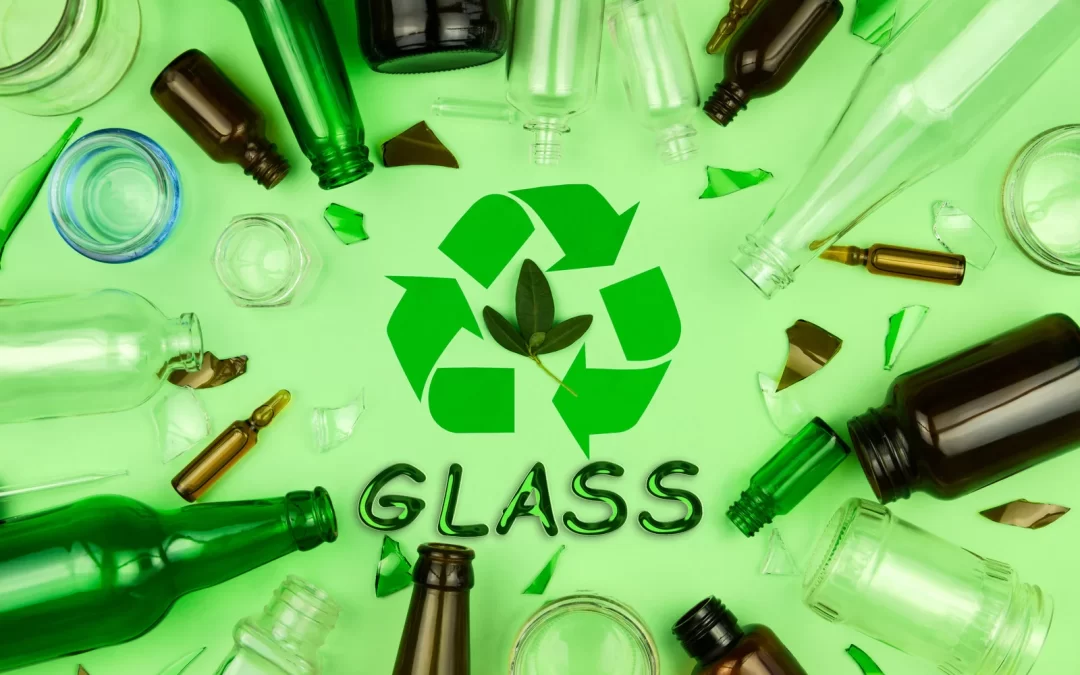
Vancouver often touts itself as a sustainability leader—but when it comes to glass recycling, its system still lags behind potential. Glass, though infinitely recyclable, often ends up in landfills or is used for low-value applications. With growing waste concerns and climate goals such as Zero Waste by 2040, Vancouver must strengthen glass recycling across the city.
1. The Environmental Case for Glass Recycling
Glass containers, bottles, and jars can be recycled repeatedly without loss of quality. Recycling them offers substantial energy savings: using cullet (crushed glass) in place of virgin raw materials reduces energy demand by roughly 2–3% for every 10% increase in cullet, potentially up to 30% total savings in melting energy. One metric ton of recycled glass saves around 315 kg of CO₂ emissions.
For residents and businesses alike, glass recycling Vancouver programs have the potential to cut emissions, reduce raw material extraction, and create a truly circular economy, provided collection systems are accessible and contamination is minimized.
2. Economic and Social Benefits
Recycling operations spur local jobs: research suggests processing recycled materials creates 6–13 jobs per 1,000 tons, in contrast to landfill-based disposal, which produces less than one per 1,000 tons. Expanding glass recycling infrastructure in Metro Vancouver could create new jobs in sorting, processing, and remanufacturing cullet.
Glass recycling also offers a viable alternative to landfill-heavy solutions often used in commercial waste disposal Vancouver services. By diverting more glass into proper recycling streams, businesses can not only meet sustainability goals but also reduce their disposal costs in the long run.
3. Challenges in Vancouver’s Glass Recycling System
Collection Gaps
While single-family homes in Vancouver benefit from separate curbside glass pickup, multi-family buildings and condos often lack glass bins, forcing residents to transport their glass to depots—disincentivizing participation. For many renters or those without cars, this is not feasible.
This is where commercial junk removal Vancouver providers could play a larger role—by offering dedicated glass collection for strata buildings and businesses that currently lack city services. These private services could bridge gaps while the city upgrades public infrastructure.
Safety and Contamination Risks
Broken glass can pose hazards for waste collection staff and contaminate recycling streams. When glass is mixed with paper or plastic, sharp shards can damage sorting machinery or reduce the recyclability of other materials. Some municipalities have even excluded glass from curbside recycling due to these concerns.
Market and Infrastructure Constraints
Glass recycling requires investment in materials recovery facilities (MRFs) with specialized sorting equipment and transportation logistics. In some regions, virgin glass is cheaper than cullet, reducing the incentive for manufacturers to use recycled content. Vancouver currently ships glass to processing facilities as far as Abbotsford and Quesnel, and some ends up in sandblast grit or construction aggregate rather than new bottles.
Local companies like Canadian Empire Recycling are instrumental in improving Metro Vancouver’s diversion rates by providing sustainable disposal solutions not only for construction debris but also recyclable materials such as glass, metals, and plastic waste.
4. Why Vancouver Should Prioritize Glass Recycling Now
Meeting Zero Waste Goals
Vancouver has committed to ambitious targets like the Zero Waste 2040 initiative, which calls for dramatically reducing landfill contributions and improving recycling efficiency. Glass is one of the few materials that can be endlessly recycled without quality loss, making it a cornerstone of a truly sustainable waste system. By prioritizing glass recycling, the city can make measurable progress toward its long-term climate and waste reduction goals.
Increasing Accessibility for All Residents
Currently, access to glass recycling is uneven. While curbside collection exists for many single-family homes, those in condos or apartment buildings often lack convenient options. To close this gap, the city needs to extend service or support alternative solutions—like depot access and private pickup services. Ensuring all Vancouverites, regardless of housing type, can easily recycle their glass will improve participation and recovery rates.
Building Local Circular Supply Chains
Boosting glass recycling also supports local green jobs and circular manufacturing. Instead of sending glass waste to remote processing plants or using it for low-grade fill, Vancouver can invest in infrastructure that transforms used glass into new bottles, insulation, or construction materials right here in BC. This keeps valuable materials in the local economy, reduces transportation emissions, and fosters long-term sustainability.
5. Practical Recommendations
- Pilot curbside glass pickup for multi-family housing—tested via small-scale programs in select Vancouver neighbourhoods.
- Incentivize deposit-return programs: Expand and promote bottle deposit systems to return-value glass, boosting recovery and reducing contamination.
- Install community glass drop-off hubs in dense neighborhoods for people without personal vehicles.
- Improve education campaigns: Clarify accepted glass types, explain separate sorting, and highlight benefits.
- Invest in local processing capacity, possibly via partnerships with local recyclers or municipalities, to transform cullet into new bottles or sandblast/aggregate products within BC.
Vancouver’s current system captures glass effectively in single-family contexts, but leaves too many residents underserved, and too much glass continues to land in low-value uses. Given glass’s infinite recyclability, energy savings, and carbon reduction potential, investing in equitable, safe, and efficient recycling systems makes both environmental and economic sense.
By extending curbside service, supporting deposit schemes, educating residents, and investing in local infrastructure, Vancouver can turn glass from a waste headache into a reusable resource, aligning with its climate goals and community values.
For responsible waste management and expert support with glass and commercial recycling solutions, contact Canadian Empire Recycling, your trusted partner in turning waste into a sustainable resource.