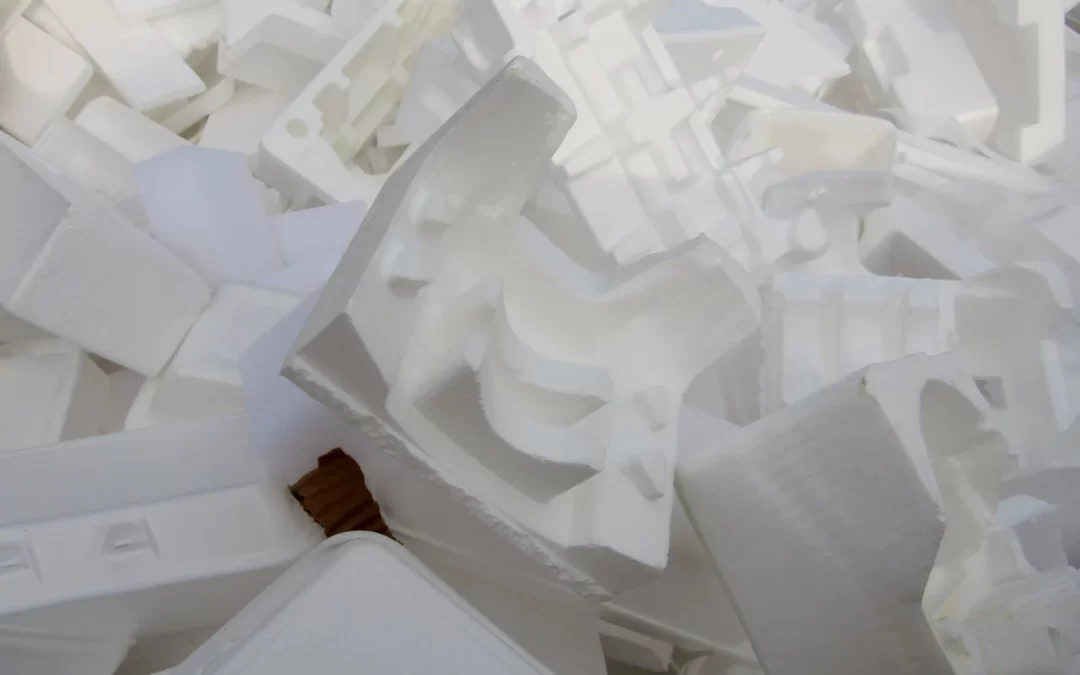
Styrofoam is everywhere—from packaging peanuts and food containers to electronics boxes and insulation materials. While it may be light, convenient, and cheap, Styrofoam (technically known as expanded polystyrene or EPS) poses a heavy burden on the environment. But is it hazardous to your health or the ecosystem? And where should it go once you’re done with it?
This blog explores the hazards of Styrofoam, the challenges with its disposal, and what options are available for sustainable management, especially for homeowners and businesses looking to reduce their waste footprint.
What Is Styrofoam?
Although “Styrofoam” is a brand name trademarked by Dow Chemical Company, most people use it to describe any lightweight, white foam used in packaging or insulation. The technical term is expanded polystyrene (EPS)—a petroleum-based plastic made from styrene.
Polystyrene is molded into rigid foam to form disposable containers, coffee cups, cooler boxes, and protective packaging. It’s cheap to produce, shock-absorbent, and moisture-resistant, making it attractive for a variety of uses.
Is Styrofoam Hazardous?
Styrofoam isn’t classified as hazardous waste under most regulations, but that doesn’t mean it’s safe. It raises concerns in three key areas:
1. Health Hazards During Production and Use
Styrene, a key ingredient in EPS, is a suspected carcinogen and neurotoxin. While small amounts are unlikely to cause harm in casual use, long-term exposure—especially during manufacturing or in poorly ventilated areas—can pose health risks to workers and the environment.
2. Environmental Impact
Styrofoam is not biodegradable and can take hundreds of years to break down in landfills. It’s also easily broken into tiny pieces, which can become airborne or wash into waterways. Marine life often mistakes plastic foam particles for food, leading to ingestion, internal damage, and even death.
3. Fire Hazards
Styrofoam is flammable. When burned, it releases toxic fumes, including carbon monoxide and styrene gas, which can be dangerous in enclosed environments.
So while Styrofoam may not be “hazardous” in the legal sense, its environmental persistence, toxicity, and potential for misuse make it a major concern.
Why Is Styrofoam So Hard to Recycle?
Styrofoam is technically recyclable, but very few facilities accept it. Here’s why:
- Low weight, high volume: It takes up a lot of space but weighs very little, making transportation costly.
- Contamination risk: Food containers or dirty foam are often rejected by recyclers.
- Specialized processing: EPS recycling requires compactors and densifiers to compress the foam, which many municipal recycling programs don’t have.
As a result, most Styrofoam ends up in landfills or, worse, is scattered in the environment. If you’re looking for styrofoam disposal Vancouver, several recycling depots and private services offer drop-off options for clean, white foam—just be sure to call ahead to confirm what they accept.
Where Does Styrofoam Go After Use?
In most cities, Styrofoam cannot be placed in the curbside blue bin. Depending on your location, here are a few options:
1. Specialized Recycling Facilities
Look for local depots that accept clean, white EPS. Some recycling centers have machines to densify plastic foam and send it to manufacturers for reuse in picture frames, insulation, or construction materials.
2. Take-Back Programs
Some electronics and appliance retailers offer take-back programs for plastic foam packaging.
3. Waste Drop-Off Centers
In cities like Vancouver and Surrey, organizations like Canadian Empire Recycling help divert hard-to-recycle items, including foam, from the landfill. These services often fall under broader hazardous waste disposal Vancouver programs that also manage e-waste, paint, and other non-curbside materials.
For large-scale or business-generated Styrofoam, proper sorting and disposal are essential to prevent it from being lumped into general commercial waste Vancouver, where it often ends up in landfills due to contamination or lack of recycling access.
Better Alternatives to Styrofoam
Prevention is better than disposal. Consider switching to:
- Molded pulp or paper-based packaging
- Compostable containers made from cornstarch or sugarcane
- Reusable containers for food and drink
- Biodegradable foam (made from non-toxic plant-based materials)
Businesses and individuals can also reduce plastic foam use by requesting alternative shipping materials and avoiding single-use foam products.
What You Can Do
- Refuse plastic foam when possible, especially for takeout food.
- Reduce use by buying in bulk or choosing reusable items.
- Reuse clean plastic foam in crafts, insulation, or packaging.
- Recycle by finding a dedicated foam recycling facility near you.
Styrofoam may seem harmless because it’s light and disposable, but its environmental cost is steep. While not legally considered hazardous waste, its toxicity in production, resistance to degradation, and negative ecological impacts make it something we should avoid whenever possible.
If you’re unsure how to dispose of plastic foam responsibly, contact Canadian Empire Recycling to see what options are available in your area. Every piece you keep out of the landfill helps create a cleaner, safer future.