
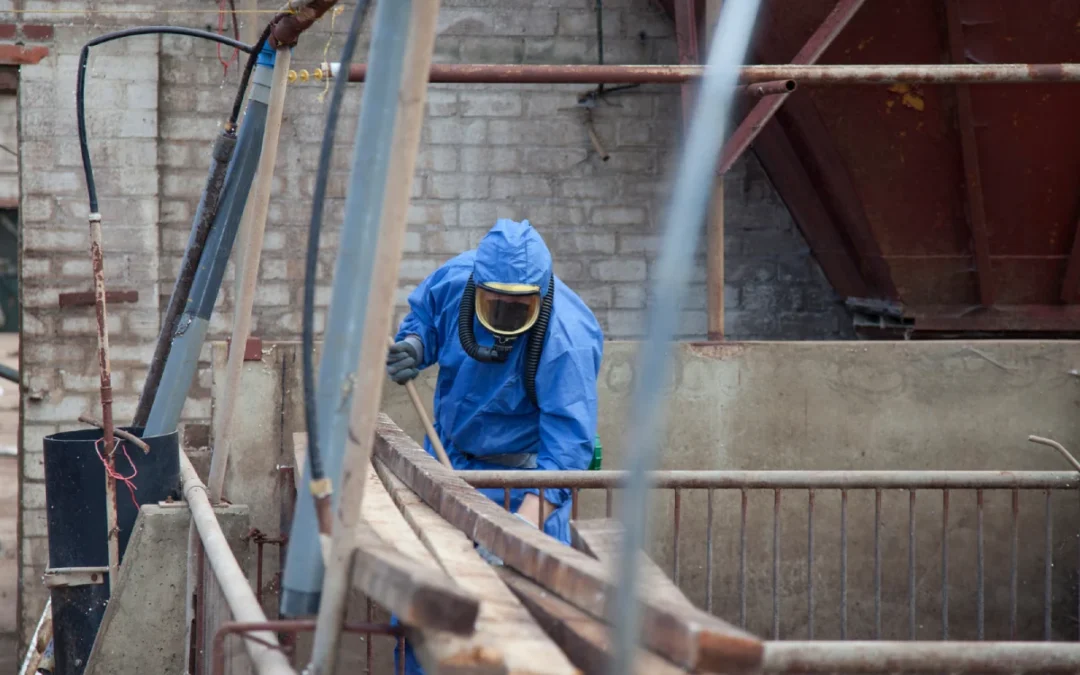
A renovation project in Squamish may have a detailed plan for identifying and removing asbestos-containing materials. But there is another part of the process that deserves just as much attention: what happens to the asbestos waste once it has been removed?
Asbestos management does not end when an old material comes out of a wall, ceiling, floor, or other building component. The resulting waste still needs to be handled and managed appropriately before it leaves the renovation site.
For contractors, property managers, and building owners, thinking about disposal early can make the entire renovation process more organized and reduce the risk of asbestos waste becoming an unexpected problem halfway through the project.
Asbestos Removal Is Only One Part of the Job
During a renovation, asbestos may be encountered in materials such as insulation, flooring, drywall compounds, roofing materials, cement products, or other older building components.
Once asbestos-containing materials are identified, the project needs a suitable removal plan. But removal creates another question:
Where will the asbestos waste go?
Broken pieces, removed materials, contaminated debris, and other waste associated with the work cannot simply be treated like ordinary renovation debris. Mixing asbestos waste with general construction waste can create additional handling and disposal concerns.
That is why waste planning should be part of the renovation strategy from the beginning—not something decided after demolition has already started.
What Can Become Asbestos Waste?
The waste generated during an asbestos-related project can look very different from one renovation to another.
Depending on the building and the work being performed, it may include:
- Removed insulation and insulation debris
- Asbestos-containing flooring or flooring materials
- Roofing or siding materials
- Cement-based asbestos-containing products
- Drywall or joint-compound debris
- Contaminated disposable materials from the work area
- Small fragments created during removal
- Other materials identified as asbestos-containing during the project
The important point is that asbestos waste disposal in Squamish isn’t limited to one recognizable material. The waste stream can include both the original building material and debris associated with its removal.
Why Regular Construction Waste Disposal Isn’t Enough
A renovation site may already have a plan for disposing of wood, drywall, cardboard, metal, and other construction materials.
Asbestos waste requires a different level of consideration.
The issue isn’t simply the amount of waste produced. It is the potential for asbestos fibres to become airborne if asbestos-containing materials are damaged, disturbed, or improperly handled.
For this reason, asbestos-related waste should remain separate from ordinary renovation debris and be managed according to applicable requirements.
This distinction becomes particularly important on projects where demolition and asbestos removal happen alongside other construction activities.
Plan the Waste Route Before Demolition Begins
One of the easiest ways to create confusion during a renovation is to leave waste planning until the material has already been removed.
Instead, contractors should think about the complete waste route before work begins:
Identify → Remove → Contain → Transport → Dispose
This approach gives the project team a clearer understanding of what will happen to asbestos waste at every stage.
It also helps avoid situations where workers have removed material but the project has not arranged an appropriate way to manage the resulting waste.
For a Squamish renovation, this planning can be especially useful when several trades are working on the same site and different waste streams are being generated at the same time.
Don’t Mix Asbestos Waste With Other Renovation Debris
A renovation project can produce large volumes of general debris. Wood may be stacked for recycling, metal may be separated for recovery, and other materials may be placed into designated containers.
Asbestos waste should not simply be added to these general waste streams.
Keeping asbestos-related material appropriately separated helps prevent unnecessary contamination and makes the waste easier to identify and manage.
It also gives contractors greater control over what leaves the site and where each type of material is ultimately directed.
What About the Dumpster?
The word “dumpster” is often used for almost any construction waste container, but asbestos-related projects require more careful consideration.
Before arranging a container, contractors should understand:
- What type of asbestos waste will be generated
- How much material is expected
- How the material will be contained
- Where the waste is permitted to go
- What transportation requirements apply
- Whether the selected waste provider is equipped to handle the material
The right disposal arrangement depends on the specific project and waste involved. Simply ordering a standard construction bin without considering the asbestos component can create avoidable problems.
Documentation and Project Records Matter
Waste management is also about maintaining a clear record of what happened to the material.
Depending on the project and applicable requirements, contractors may need documentation related to the removal, transportation, and disposal of asbestos waste.
Keeping project records organized can make it easier to demonstrate that asbestos-containing materials were managed through the appropriate process.
This can be particularly valuable for commercial renovations, property managers, and contractors who need a clear record of work completed on an older building.
What Should Squamish Contractors Ask Before the Work Starts?
Before an asbestos-related renovation begins, it is worth answering a few practical questions:
Where will the asbestos waste be stored temporarily?
The project should have a plan for keeping the material contained and appropriately separated while work is underway.
Who will handle transportation?
Transportation arrangements should be made with the nature of the asbestos waste in mind.
Where will the material be disposed of?
Knowing the intended disposal route ahead of time helps prevent last-minute decisions.
What happens to contaminated cleanup materials?
The waste plan should account for more than just large pieces of removed building material.
Who is responsible for coordinating disposal?
Assigning responsibility early can prevent gaps between the demolition, abatement, and waste-management stages.
These questions may seem simple, but they can make a significant difference to how smoothly a renovation project progresses.
Asbestos Waste Shouldn’t Become an Afterthought
A successful renovation isn’t just about removing old materials and bringing in new ones. It is also about managing everything that leaves the building during the process.
When asbestos is involved, waste planning deserves attention from the beginning.
For Squamish contractors and property owners, having a clear disposal plan can help keep asbestos-related materials separate from ordinary renovation debris and ensure the project team knows what happens after removal.
If your project is generating asbestos-containing materials, Canadian Empire Recycling & Disposal can help with asbestos waste disposal arrangements for projects in Squamish. Contact Canadian Empire Recycling & Disposal team to discuss your project and waste-management requirements.