
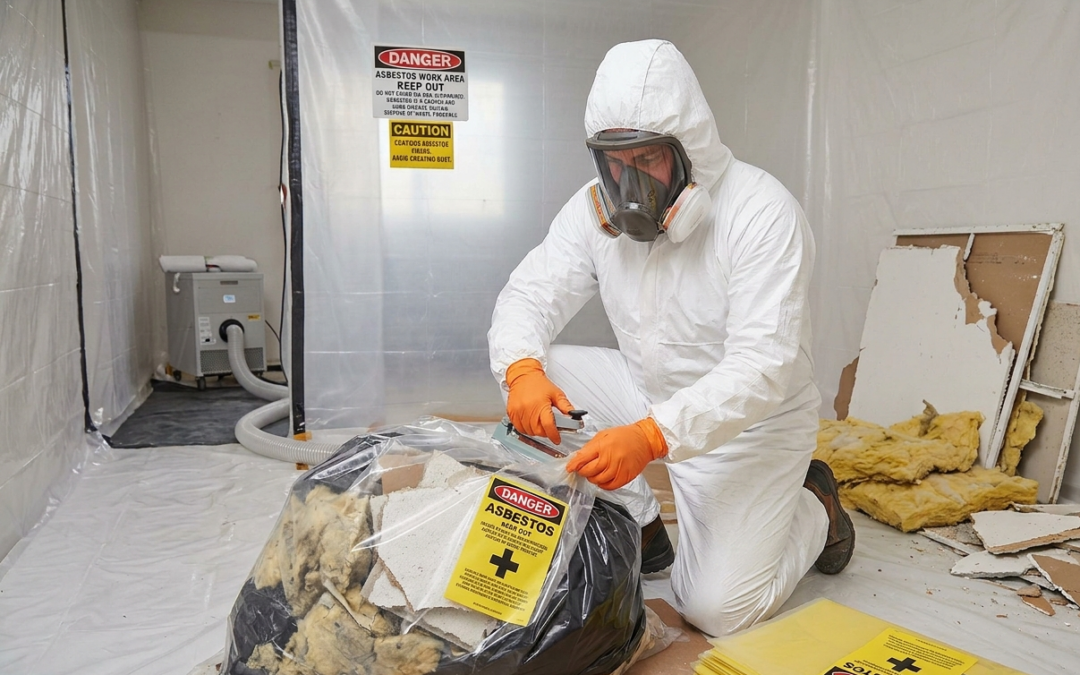
Asbestos was once widely used in construction due to its durability, fire resistance, and insulating properties. However, it is now known to pose serious health risks when disturbed. If you’re renovating, demolishing, or maintaining an older property in Squamish, it’s essential to identify materials that may contain asbestos and ensure they are disposed of safely.
Improper handling of asbestos-containing materials (ACMs) can release harmful fibers into the air, leading to severe respiratory issues. In this guide, we’ll explore the most common materials that require asbestos waste disposal in Squamish and why professional handling is crucial.
Why Proper Asbestos Disposal Matters
Asbestos fibers are microscopic and can remain airborne for long periods. When inhaled, they can cause serious diseases such as:
- Asbestosis
- Lung cancer
- Mesothelioma
Because of these risks, asbestos disposal is strictly regulated in Canada. Safe removal and disposal are necessary to protect both human health and the environment.
Common Materials That Contain Asbestos
Many older homes and commercial buildings in Squamish may still contain asbestos in various forms. Here are the most common materials that require proper disposal:
1. Insulation Materials
One of the most well-known uses of asbestos was in insulation.
Examples include:
- Attic insulation (especially vermiculite)
- Pipe insulation
- Boiler insulation
These materials can easily release fibers when disturbed, making professional handling essential.
2. Drywall and Joint Compounds
Asbestos was often used in drywall joint compounds and plaster to improve strength and fire resistance.
Where it’s found:
- Wall joints
- Ceiling textures
- Patching compounds
If you’re sanding, drilling, or removing drywall in an older property, asbestos testing is highly recommended.
3. Flooring Materials
Many types of flooring installed before the 1990s may contain asbestos.
Common examples:
- Vinyl floor tiles
- Linoleum
- Adhesives used under the flooring
These materials can release fibers when broken or removed, requiring careful disposal.
4. Roofing and Siding Materials
Asbestos was commonly used in exterior building materials due to its durability.
Examples include:
- Roofing shingles
- Siding panels
- Roofing felt
Weathering and renovations can cause these materials to deteriorate, increasing the risk of exposure.
5. Cement Products
Asbestos cement was widely used in construction for its strength.
Where it may be found:
- Cement pipes
- Wall panels
- Exterior cladding
Even though these materials are relatively stable, they can become hazardous when cut or damaged.
6. Ceiling Tiles and Textured Coatings
Older ceiling materials often contain asbestos, particularly in decorative finishes.
Examples:
- Popcorn ceilings
- Acoustic ceiling tiles
Disturbing these surfaces during renovations can release harmful fibers into the air.
7. HVAC Systems and Duct Insulation
Heating and ventilation systems may also contain asbestos components.
Common areas:
- Duct insulation
- Gaskets
- Furnace components
Handling these materials without proper training can be dangerous.
8. Electrical Components
Some electrical systems used asbestos for heat resistance.
Examples:
- Wiring insulation
- Electrical panels
- Switchboards
These materials require careful handling during upgrades or repairs.
How to Identify Asbestos-Containing Materials
It’s not always possible to identify asbestos just by looking at a material. If your property was built before the 1990s, there’s a higher chance it may contain asbestos.
Best practices:
- Avoid disturbing suspected materials
- Hire professionals for testing
- Follow local safety regulations
Professional inspection and testing are the safest ways to confirm the presence of asbestos.
Risks of DIY Asbestos Disposal
Trying to remove asbestos on your own can be extremely dangerous and is often illegal without proper certification.
Risks include:
- Exposure to harmful fibers
- Contamination of your home
- Legal penalties for improper disposal
Hiring professionals ensures that the process is handled safely and in compliance with regulations.
Safe Asbestos Waste Disposal Process
Professional asbestos disposal typically involves:
- Inspection and Testing
- Containment of the Area
- Safe Removal Using Protective Equipment
- Secure Packaging and Labeling
- Transport to Approved Disposal Facilities
Each step is designed to minimize exposure and protect both workers and residents.
When Should You Call Professionals?
You should seek professional help if:
- You’re planning renovations or demolition
- You suspect asbestos in your home or building
- Materials appear damaged or deteriorating
- You need safe and legal disposal
Professional services ensure compliance with safety standards and reduce health risks.
Understanding which materials require asbestos waste disposal is essential for maintaining a safe living or working environment. From insulation and flooring to roofing and ceiling materials, asbestos can be found in many parts of older buildings.
Instead of taking risks, it’s always best to rely on trained experts for safe removal and disposal. If you need reliable and professional assistance, Canadian Empire Recycling & Disposal offers trusted asbestos waste disposal services in Squamish. Their experienced team follows strict safety protocols to ensure proper handling, transport, and disposal of hazardous materials. Contact Canadian Empire Recycling & Disposal for safe, compliant, and hassle-free asbestos waste management.