Construction and demolition projects often uncover hidden hazards—especially in older commercial and industrial buildings. One of the most serious materials contractors must manage is asbestos. Whether you’re renovating a warehouse, demolishing a retail unit, or upgrading an office complex, having approved asbestos disposal bins on-site is essential for safety, compliance, and efficiency.
If your firm is planning a project that may disturb asbestos-containing materials (ACMs), ordering the right bins before work begins can prevent costly delays and regulatory issues.
Why Asbestos Is Still a Concern in Construction
Asbestos was widely used in building materials before the 1990s due to its fire resistance and durability. Today, it can still be found in:
- Insulation and pipe wrap
- Ceiling tiles and textured coatings
- Vinyl floor tiles and adhesives
- Cement boards and siding
- Roofing materials
When disturbed, asbestos fibers can become airborne and pose serious health risks. That’s why strict handling, containment, and disposal procedures are legally required across British Columbia.
For construction firms, this means asbestos waste cannot be treated like general debris—it must be isolated and disposed of properly.
Why Ordering Asbestos Bins Early Matters
Many contractors underestimate how quickly asbestos waste can accumulate during demolition or abatement. Without a designated bin ready on-site, projects can experience:
- Work stoppages
- Site contamination risks
- Safety violations
- Increased labor costs
- Regulatory fines
Pre-scheduling asbestos bins ensures a seamless workflow between abatement teams and general contractors. It keeps hazardous materials separated and prevents mixing with standard construction debris.
Compliance and Legal Requirements
WorkSafeBC regulations require that:
- Buildings undergo asbestos surveys before renovation or demolition.
- Waste is handled by trained and certified professionals.
- Waste is double-bagged or securely wrapped.
- Disposal occurs at an approved hazardous waste disposal facility.
Using properly labeled, approved bins is a critical part of maintaining compliance. Construction firms that fail to follow disposal guidelines risk significant penalties and reputational damage.
The Role of Asbestos Waste Disposal Services
Professional Asbestos Waste Disposal Richmond ensures that hazardous materials are handled from pickup to final disposal in accordance with provincial standards. These services typically include:
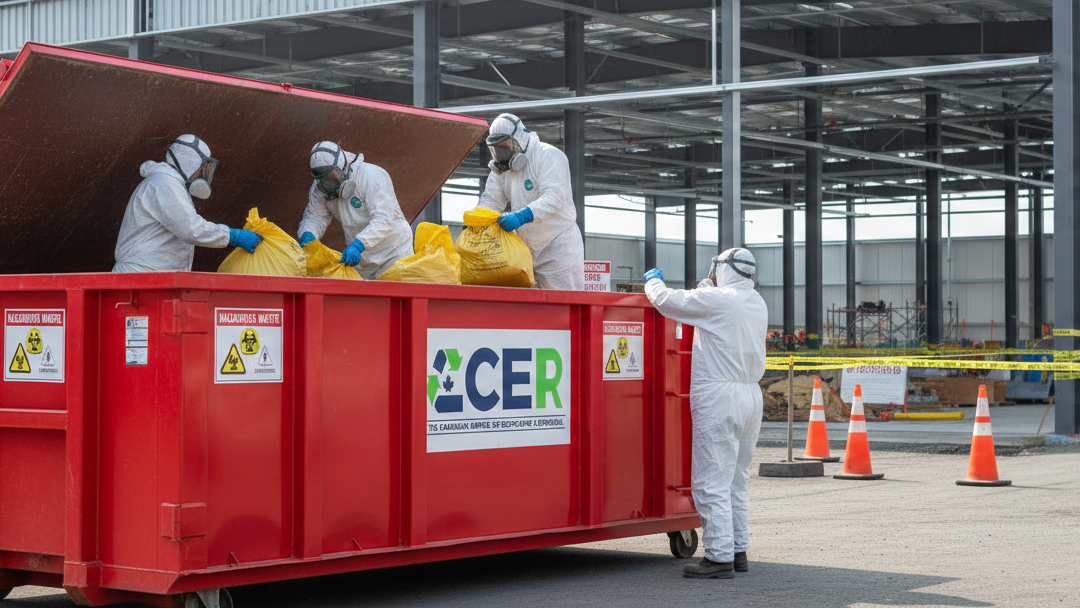
- Delivery of approved roll-off bins
- Scheduled pickups aligned with project phases
- Secure transportation to licensed facilities
- Proper documentation and manifest tracking
For construction firms managing tight deadlines, having a reliable disposal partner reduces liability and keeps projects on track.
Coordinating With Commercial Waste Disposal Solutions
Most commercial projects generate multiple waste streams: wood, drywall, scrap metal, packaging, and hazardous materials. Separating asbestos from other debris is mandatory.
Working with providers who also offer Commercial Waste Disposal Richmond services allows contractors to streamline waste management logistics. Instead of coordinating with multiple vendors, firms can manage both hazardous and non-hazardous waste efficiently, reducing downtime and improving site organization.
Why Choose Professional Bin Rental Services?
Reliable Bin Rental Services Richmond providers understand the urgency of construction schedules. Benefits include:
- Prompt bin delivery
- Flexible rental periods
- Clear weight limits and safety guidelines
- Fast pickup when bins are full
- Transparent pricing
For large-scale projects, choosing a dependable bin rental partner prevents unnecessary delays and ensures continuous workflow.
Selecting the Right Bin Size for Your Project
Construction firms should choose bin sizes based on:
- Scope of asbestos removal
- Volume of contaminated materials
- Duration of abatement work
- Space availability on-site
Common sizes range from 10-yard bins for smaller renovations to 40-yard containers for major demolitions. Heavy asbestos cement sheets may require careful weight planning to avoid exceeding limits.
Consulting with experienced providers helps determine the best option for your project.
Best Practices for Construction Firms
To maintain compliance and site safety:
- Conduct mandatory asbestos testing before demolition.
- Use certified abatement professionals.
- Never mix asbestos with general debris.
- Avoid overfilling bins.
- Keep hazardous waste areas clearly marked.
- Schedule timely pickups to prevent overcrowding.
Planning reduces the risk of delays and ensures a smooth project timeline.
Protecting Workers and Reputation
Construction firms operate in a competitive environment. Safety compliance isn’t just about avoiding fines—it’s about protecting workers, clients, and your company’s long-term reputation.
Proper asbestos disposal demonstrates:
- Commitment to worker health
- Environmental responsibility
- Regulatory compliance
- Professional integrity
Clients are more likely to trust firms that prioritize safety and proper waste management.
Order Your Asbestos Bins
If your Richmond construction project involves asbestos-containing materials, don’t wait until demolition begins to arrange disposal. Secure the proper bins in advance to keep your site compliant and efficient.
For dependable service, prompt delivery, and compliant hazardous waste handling, contact Canadian Empire Recycling & Disposal. Their experienced team supports Richmond construction firms with professional asbestos bin rentals and complete waste management solutions tailored to commercial projects.
Frequently Asked Questions
Can asbestos waste be mixed with regular construction debris?
No. Mixing hazardous materials with general waste is prohibited and can result in fines.
How long can an asbestos bin remain on-site?
Rental periods vary, but timely pickup is recommended to maintain safety and compliance.
Who is responsible for asbestos disposal on a job site?
Both the property owner and contractor share responsibility for ensuring proper removal and disposal.
What happens if asbestos is disposed of improperly?
Improper disposal can lead to severe penalties, project shutdowns, environmental contamination, and legal consequences.