Quick answer: A small amount of asbestos-containing material can create a much bigger waste-management issue than expected during a renovation or demolition project. Once asbestos is identified, the affected material needs to be kept separate from ordinary construction debris, contained appropriately, and handled through the correct disposal process.
For Port Coquitlam contractors, property managers, and business owners, the challenge is not always finding the asbestos. It is knowing what to do with the material after it has been removed.
Why a Small Asbestos Discovery Can Change the Whole Cleanup
Renovation projects often begin with a straightforward plan: remove old materials, load the debris, and clear the site.
Asbestos can change that plan quickly.
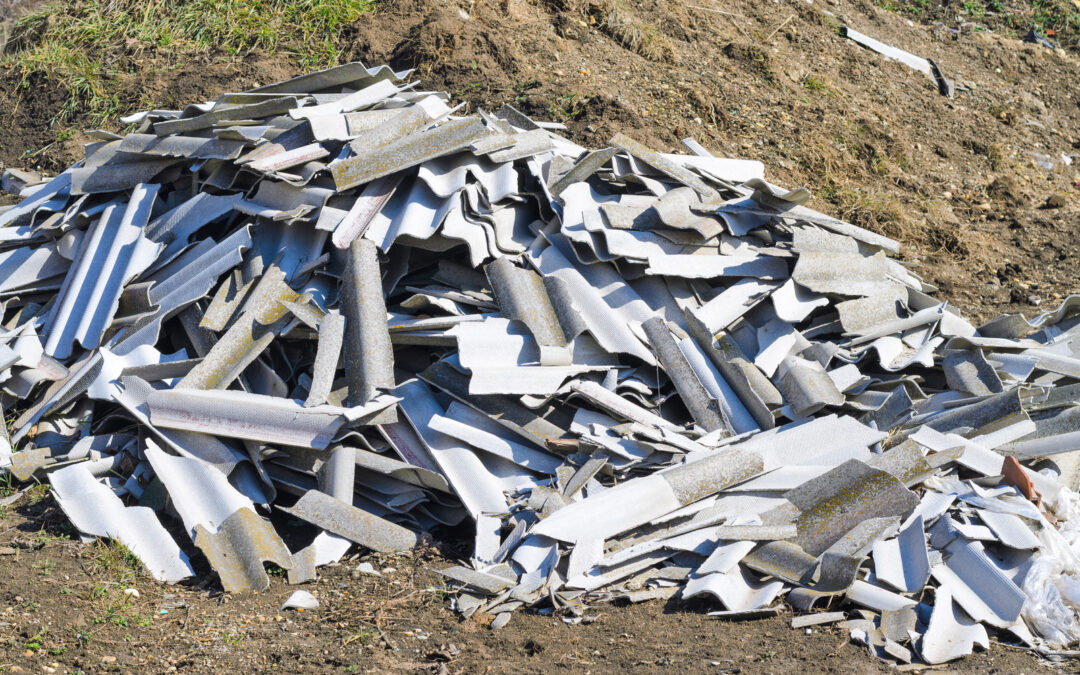
Older buildings may contain asbestos in materials such as insulation, flooring, drywall compounds, ceiling materials, roofing products, pipe insulation, or other building components. A material that appears to be ordinary renovation debris may require a completely different waste-handling approach once asbestos is confirmed.
That means contractors need to think beyond removal. Waste planning should be part of the asbestos work from the beginning.
What Happens to the Waste After Asbestos Is Removed?
Once asbestos-containing material has been removed, it should not simply be mixed with the rest of the demolition debris.
The waste may need to be:
- Kept separate from regular construction waste
- Properly contained and packaged
- Protected from releasing fibres during handling
- Placed in suitable waste containers
- Transported using an appropriate disposal process
- Directed to an authorized facility or service
The exact requirements can depend on the type and condition of the material and the applicable regulations.
This is why having a disposal plan before demolition begins can prevent confusion later.
The Dumpster Problem Contractors Often Overlook
A general construction dumpster is designed for ordinary renovation debris. Asbestos-containing waste requires a different level of attention.
Imagine a Port Coquitlam renovation where a contractor has already filled a dumpster with drywall, wood, flooring, and other debris. Then a small section of suspected asbestos-containing material is discovered.
The problem is no longer just the asbestos itself. The team now has to consider how the affected material will be separated, contained, transported, and disposed of without unnecessarily complicating the rest of the waste stream.
Planning ahead can make this process considerably easier.
Asbestos Waste Disposal Port Coquitlam: Plan Before the Materials Leave the Site
For projects requiring Asbestos Waste Disposal Port Coquitlam, the waste plan should be established before asbestos-containing materials start coming off the site.
A useful plan should identify:
- What material is being removed
- How much waste is expected
- How the material will be contained
- What type of waste container is appropriate
- How the waste will be transported
- Where the material will be accepted for disposal
This is particularly important for commercial renovations where multiple contractors, trades, and waste streams may be working at the same time.
Don’t Mix Asbestos Waste With Ordinary Renovation Debris
One of the simplest ways to create a bigger cleanup problem is to mix asbestos-containing material with general construction waste.
Once different waste streams become mixed, sorting and handling can become more complicated. It can also make it harder for everyone on the job site to understand which materials require special precautions.
A better approach is to establish a clearly identified area for asbestos-related waste and make sure workers know that it must remain separate from ordinary debris.
Where Commercial Waste Planning Fits In
Asbestos is only one possible waste stream on a commercial renovation site.
A project may also generate wood, metal, cardboard, plastics, concrete, packaging, fixtures, general garbage, and other materials. Some may be recyclable, while others may require specialized handling.
That is where Commercial Waste Disposal Port Coquitlam becomes part of the larger project plan.
Instead of treating every material as the same type of garbage, businesses can organize waste according to its characteristics and disposal requirements. This can help keep hazardous materials separate while allowing suitable materials to follow recycling or conventional commercial waste routes.
What Should Port Coquitlam Businesses Do When Asbestos Is Found Unexpectedly?
If asbestos is discovered after work has already started, avoid treating the discovery as just another piece of demolition debris.
A practical response is to:
- Stop disturbing the suspected material as appropriate
- Follow the project’s asbestos procedures
- Keep the affected waste separate
- Review the planned waste container and disposal route
- Confirm how the material needs to be packaged and transported
- Coordinate waste handling with the project team
The goal is to prevent a small discovery from turning into a larger site-management problem.
Waste Planning Can Prevent Renovation Delays
Asbestos-related work can affect more than the cleanup itself.
If the correct container is not available, the waste cannot be moved as planned, or the disposal route has not been arranged, a project may face unnecessary delays.
That is why waste logistics should not be left until the final stage of demolition. Knowing what will happen to the waste before removal begins gives contractors a clearer path from discovery → removal → containment → transportation → disposal.
The Takeaway for Port Coquitlam Projects
A small asbestos discovery does not have to derail a renovation, but ignoring the waste side of the problem can make the situation much more complicated.
Whether the project is a commercial renovation, demolition, property upgrade, or building cleanup, asbestos-containing materials should be separated from ordinary debris and managed through an appropriate disposal process. At the same time, other commercial waste should be organized into the correct waste streams.
For professional guidance with asbestos and other commercial waste generated during your Port Coquitlam project, contact Canadian Empire Recycling & Disposal to discuss your waste-handling requirements.