
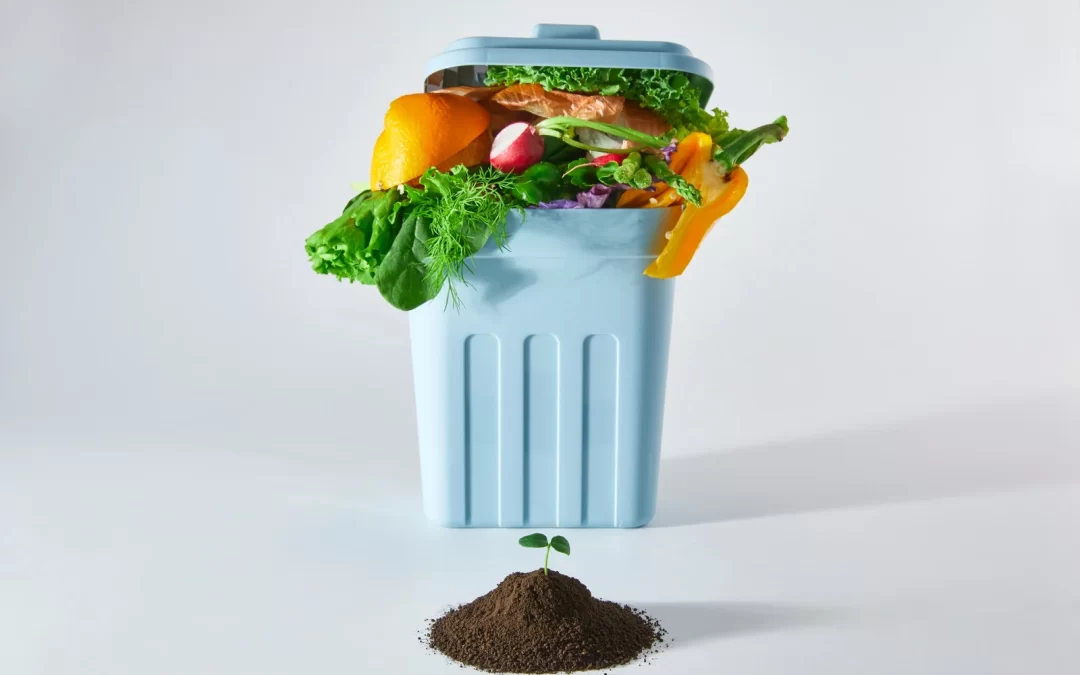
Food waste is one of the biggest challenges in the restaurant industry. According to various studies, restaurants generate tons of waste daily from spoiled produce and plate scraps to packaging and single-use items. If not handled properly, this waste ends up in landfills, contributing to methane emissions and environmental damage. On the other hand, when restaurants improve their commercial food waste disposal, they not only reduce their environmental footprint but also cut costs, improve efficiency, and build a positive reputation with eco-conscious customers.
In this blog, we’ll explore why food waste is such a critical issue and practical ways restaurants can improve their waste management practices.
Why Food Waste Matters in Restaurants
Restaurants operate on tight margins. Every ounce of food wasted represents money lost, whether through over-ordering, spoilage, or oversized portions. But the impact doesn’t stop at financial losses:
- Environmental impact: When organic waste ends up in landfills, it decomposes without oxygen, producing methane—a greenhouse gas more potent than carbon dioxide.
- Social responsibility: Food waste is a moral issue when millions of people face food insecurity globally. Redirecting surplus food to charities can make a meaningful difference.
- Operational efficiency: Reducing waste means better inventory management, smarter menu planning, and less clutter in kitchens.
Recognizing these factors, many restaurants are rethinking how they handle waste.
Common Sources of Food Waste in Restaurants
Before tackling solutions, it’s important to identify where waste comes from. Some of the most common sources include:
- Overproduction: Preparing more food than customers order, often in anticipation of busy hours.
- Spoilage: Improper storage, poor stock rotation, or over-purchasing leads to expired or rotten food.
- Plate waste: Large portion sizes or menu items that customers can’t finish.
- Trimmings and preparation waste: Peels, stems, bones, or excess trimmings during prep work.
- Packaging waste: Excess plastic wrap, single-use containers, or non-recyclable packaging.
Understanding these categories allows restaurants to target their efforts effectively.
Strategies to Improve Commercial Food Waste Disposal
1. Conduct a Food Waste Audit
The first step toward improvement is knowing how much food is wasted and why. By tracking what’s being thrown away and recording patterns, managers can identify high-waste menu items, inefficient prep practices, or purchasing mistakes. Many restaurants now use software or simple log sheets for waste audits.
2. Train Staff in Waste Awareness
Kitchen and service staff play a crucial role in reducing waste. Training sessions can cover portion control, proper storage methods, and waste sorting. Simple steps like labeling leftovers with dates or rotating stock (“first in, first out”) go a long way.
3. Rethink Portion Sizes
Customers often leave food behind when portions are too large. Offering flexible portion sizes or half-plate options can reduce plate waste. Upselling add-ons instead of automatically serving large portions can also save money and food.
4. Optimize Inventory and Purchasing
Technology can help restaurants forecast demand more accurately. Ordering just the right amount of perishable items reduces spoilage. Smart storage, such as clear containers, organized shelves, and proper refrigeration, ensures ingredients stay fresh longer.
5. Repurpose and Reuse Ingredients
Creative chefs find ways to use food that might otherwise be discarded. For example:
- Vegetable trimmings can become stock.
- Stale bread can be used for croutons or bread pudding.
- Overripe fruit can be blended into smoothies or desserts.
This not only reduces waste but can also add unique dishes to the menu.
6. Donate Surplus Food
Rather than throwing away unused food, restaurants can partner with local charities, food banks, or shelters to donate surplus. Many organizations have safe food handling guidelines to make this process simple and secure.
7. Compost Organic Waste
Food scraps that cannot be reused should be composted. Composting reduces landfill waste and produces nutrient-rich soil that can benefit local farms or gardens. Many cities now offer Commercial Waste Disposal Port Coquitlam services that include composting programs specifically tailored for restaurants.
8. Recycle Packaging and Non-Food Waste
Restaurants often generate large amounts of glass, plastic, cardboard, and aluminum waste. Partnering with recycling services ensures that these materials are diverted from landfills. Switching to recyclable or compostable packaging also reduces long-term waste. Many professional companies also offer Junk Removal Services Port Coquitlam to handle bulky or mixed waste from restaurant operations.
9. Invest in Food Waste Technology
From smart bins that measure waste to apps that connect restaurants with customers looking for discounted surplus meals, technology is transforming food waste management. Tools like these provide insights and reduce the volume of food that gets discarded.
10. Partner with Professional Waste Disposal Services
Professional companies that specialize in Commercial Food Waste Disposal can help restaurants implement sustainable practices. They handle collection, sorting, recycling, and composting in compliance with local regulations. Partnering with experts ensures efficiency while allowing restaurant owners to focus on their core business.
The Benefits of Better Food Waste Management
Restaurants that improve their food waste disposal systems enjoy several advantages:
- Cost savings: Less waste means lower purchasing costs and reduced hauling fees.
- Brand image: Customers increasingly support eco-friendly businesses. Promoting sustainable waste management can attract environmentally conscious diners.
- Compliance: Proper disposal ensures compliance with municipal regulations, avoiding fines or penalties.
- Employee pride: Staff feel good working for a business that cares about sustainability.
These benefits make food waste reduction a win-win situation for restaurants, customers, and the environment.
Moving Toward a Sustainable Future
Commercial food waste disposal is no longer just a behind-the-scenes operational concern. It’s a vital part of running a modern, responsible restaurant. By auditing waste, training staff, adopting innovative practices, and partnering with reliable disposal services, restaurants can cut costs, protect the planet, and strengthen their community ties.
If your restaurant is seeking reliable waste management solutions, Canadian Empire Recycling provides professional services for businesses of all sizes. They can help with food waste, recycling, and eco-friendly disposal practices to keep your operations running smoothly.
For businesses seeking long-term sustainability, working with experienced providers ensures compliance, cost savings, and environmental responsibility. Get in touch today to contact Canadian Empire Recycling and start building a smarter waste management plan.