
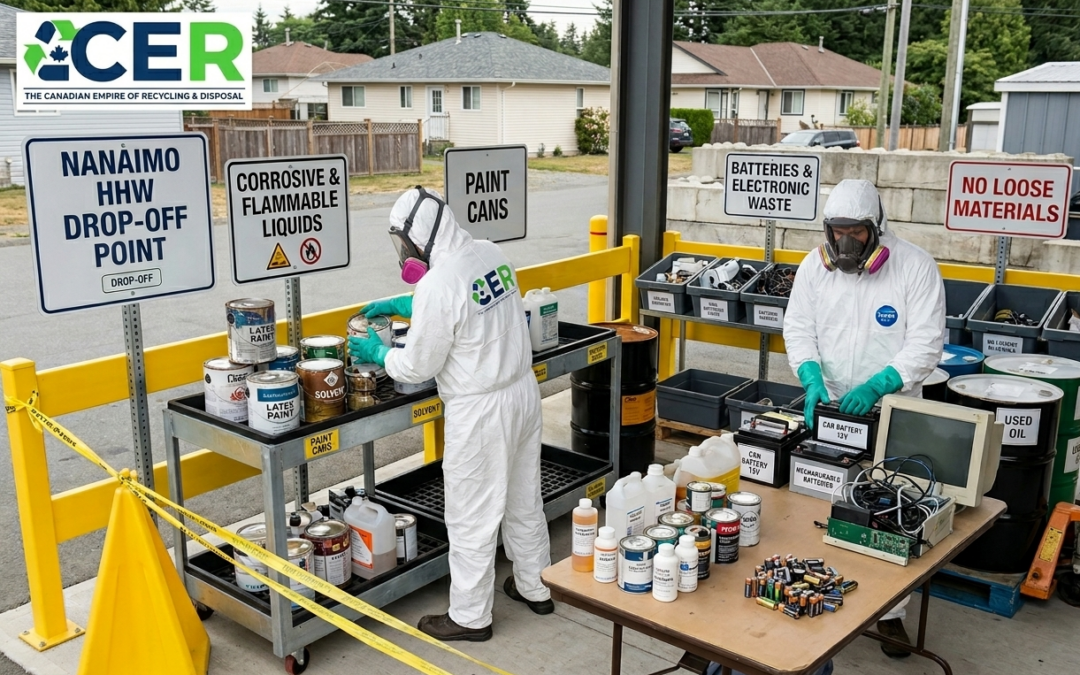
Proper waste management is essential for protecting both public health and the environment—especially when it comes to hazardous materials. Many everyday items found in homes, offices, and construction sites can pose serious risks if they are not handled and disposed of correctly. In Nanaimo, strict guidelines are in place to ensure hazardous waste is managed safely and responsibly.
If you’re unsure which items require special handling, this guide will help you identify common hazardous materials and explain how to dispose of them properly.
What Is Hazardous Waste?
Hazardous waste refers to any material that can be harmful to humans, animals, or the environment due to its chemical composition or physical properties. These materials may be:
- Toxic (harmful when ingested or inhaled)
- Flammable (easily ignited)
- Corrosive (can damage skin or materials)
- Reactive (can cause explosions or dangerous reactions)
Because of these risks, hazardous waste cannot be thrown away with regular garbage. It requires special handling, transportation, and disposal procedures.
Common Household Hazardous Waste Items
Many hazardous materials are found right inside your home. Some of the most common include:
1. Paints and Solvents
Old paint cans, paint thinners, and varnishes contain chemicals that can contaminate soil and water. Even dried paint may require proper disposal depending on local regulations.
2. Cleaning Products
Household cleaners like bleach, ammonia, and drain cleaners are highly corrosive and should never be mixed or disposed of improperly.
3. Batteries
Batteries—especially lithium-ion and lead-acid types—contain heavy metals and toxic chemicals that can leak into the environment.
4. Pesticides and Herbicides
Garden chemicals designed to kill pests can also harm beneficial organisms and pollute water sources.
5. Automotive Fluids
Motor oil, antifreeze, brake fluid, and transmission fluid are all hazardous and require specialized disposal methods.
Handling these items through proper Hazardous Waste Disposal Nanaimo services ensures they are treated safely and do not pose a risk to the community.
Hazardous Waste in Commercial and Industrial Settings
Businesses in Nanaimo generate a wide range of hazardous materials depending on their operations. These may include:
- Industrial chemicals and solvents
- Medical or biohazard waste
- Electronic waste (e-waste)
- Fluorescent light bulbs and mercury-containing devices
- Adhesives, resins, and coatings
Improper disposal in commercial settings can lead to severe legal consequences, including fines and shutdowns. That’s why businesses must follow strict disposal protocols and work with certified waste management providers.
Construction and Renovation Waste
Construction sites are another major source of hazardous waste. Materials that may require special disposal include:
- Asbestos-containing materials
- Lead-based paints
- Treated wood
- Insulation materials
- Chemical adhesives and sealants
These materials can release harmful substances into the air and environment if not handled correctly. Proper disposal is essential to ensure worker safety and regulatory compliance.
Electronic Waste (E-Waste)
Old electronics are often overlooked as hazardous waste, but they contain harmful components such as:
- Lead
- Mercury
- Cadmium
- Flame retardants
Items like computers, televisions, printers, and mobile devices should never be thrown in regular trash. Recycling programs and designated facilities ensure these materials are safely processed and reused where possible.
Items That Should Never Go in Regular Trash
To avoid environmental contamination and safety hazards, never dispose of the following items in your regular garbage:
- Paint and solvents
- Batteries
- Chemicals and cleaning agents
- Fuel and automotive fluids
- Medical sharps or pharmaceuticals
- Electronics and light bulbs
Instead, use approved Hazardous Waste Drop Off Nanaimo locations or professional services to ensure proper handling.
Why Proper Hazardous Waste Disposal Matters
1. Protects Human Health
Exposure to hazardous materials can lead to serious health issues, including respiratory problems, burns, and long-term diseases.
2. Safeguards the Environment
Improper disposal can contaminate soil, groundwater, and air, affecting ecosystems and wildlife.
3. Ensures Legal Compliance
Nanaimo follows strict environmental regulations. Failing to comply can result in penalties and legal action.
4. Promotes Sustainability
Responsible disposal allows for safe recycling and reduces the overall environmental footprint.
Tips for Managing Hazardous Waste Safely
- Store materials properly: Keep hazardous items in original containers with labels intact.
- Avoid mixing chemicals: Mixing substances can cause dangerous reactions.
- Keep out of reach: Store hazardous materials away from children and pets.
- Use designated facilities: Always dispose of hazardous waste at approved locations.
- Work with professionals: For large quantities or commercial waste, hire certified disposal services.
Common Mistakes to Avoid
Many people unknowingly make errors when handling hazardous waste. Avoid these common mistakes:
- Pouring chemicals down drains
- Throwing batteries in household trash
- Burning hazardous materials
- Ignoring local disposal regulations
- Delaying disposal, leading to leaks or deterioration
Taking the right approach can prevent accidents and environmental damage.
Hazardous waste is more common than most people realize, and handling it properly is essential for maintaining a safe and healthy environment in Nanaimo. From household cleaners and batteries to industrial chemicals and construction materials, many items require special care when it comes to disposal.
By understanding what qualifies as hazardous waste and using the right disposal methods, you can protect your health, avoid legal issues, and contribute to a cleaner community.
For safe, reliable, and compliant disposal services, contact Canadian Empire Recycling & Disposal. Their experienced team can help manage hazardous materials efficiently, ensuring everything is handled with the highest safety and environmental standards.