
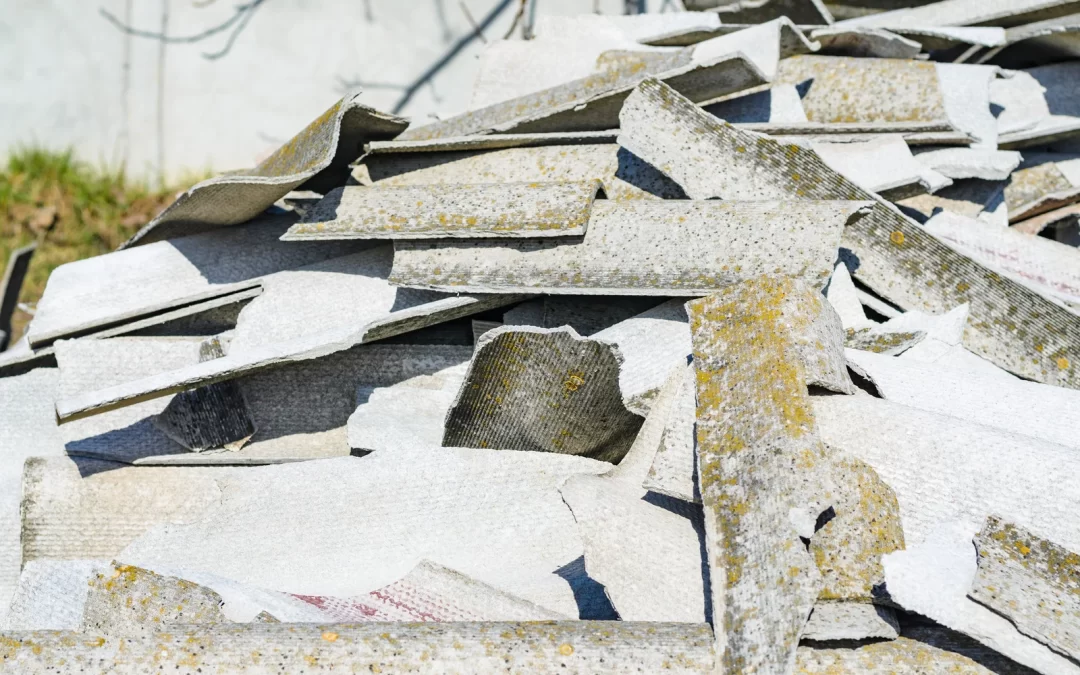
Asbestos is one of the most common hidden dangers in older homes across Canada, and Nanaimo is no exception. Many properties built before the 1990s still contain some form, often tucked away in insulation, flooring, or wall materials. While undisturbed asbestos is generally considered low-risk, the moment renovations, repairs, or even natural wear and tear release fibers into the air, it can become a serious health hazard.
If you own an older home or are considering buying one, knowing how to identify potential asbestos is essential. This guide explores where it is commonly found, how to spot warning signs, and what steps you should take if you suspect its presence in your Nanaimo home.
Why Asbestos Was Used in Homes
Asbestos was widely used in construction from the 1940s through the 1980s because of its durability, heat resistance, and insulating properties. Builders used it in everything from roofing shingles to pipe insulation because it was inexpensive and highly effective. Unfortunately, it wasn’t until later that health experts linked exposure to serious diseases such as:
- Mesothelioma (a rare, aggressive cancer)
- Lung cancer
- Chronic respiratory issues
Because asbestos waste Nanaimo happens when fibers become airborne and are inhaled, even minor disturbances during renovations or repairs can put your household at risk.
Where Asbestos Might Be Hiding in Your Home
Many homeowners are surprised at how many building materials are contained. In Nanaimo’s older homes, may be present in:
- Insulation – Vermiculite insulation in attics often contains. Pipe insulation, boiler coverings, and furnace linings are also common sources.
- Flooring – Vinyl floor tiles, linoleum, and the adhesives (mastic) used to glue them down frequently contained.
- Ceilings and Walls – Popcorn ceilings, textured paints, and drywall joint compounds may contain.
- Roofing and Siding – Cement shingles, roofing felt, and tar paper are often used for strength and fire resistance.
- Plumbing Materials – Gaskets, cement pipes, and certain sealants may be included.
- Fireproof Materials – Old fire doors, heat shields, and stove pads may be asbestos-based.
Because these materials can be hard to distinguish from modern ones, professional testing is the only reliable way to know for sure.
Signs Your Home May Contain Asbestos
While you can’t confirm just by looking at a material, certain clues can raise suspicion:
- Age of the Home: If your house was built before 1990, there’s a good chance some asbestos-containing materials (ACMs) were used.
- Type of Materials: Popcorn ceilings, old vinyl flooring, or vermiculite insulation are red flags.
- Renovation History: If past owners did DIY upgrades without asbestos abatement, the materials may still be in place.
- Damaged Materials: Crumbling tiles, cracked insulation, or deteriorating siding could indicate asbestos-containing materials that are now friable (easily releasing fibers).
Remember: It cannot be confirmed without testing. Materials that look safe could still contain asbestos, and ones that seem suspicious might not.
How to Test for Asbestos
The safest way to determine whether asbestos is present in your Nanaimo home is through professional testing. Here’s how the process works:
- Hire a Certified Inspector – Never attempt to cut or disturb materials yourself. Professionals know how to safely collect samples.
- Lab Analysis – Samples are sent to an accredited lab for analysis under a microscope.
- Results and Next Steps – If asbestos is found, a licensed abatement team should handle the removal before general renovation work continues.
DIY asbestos test kits are available, but they require homeowners to collect samples themselves, which can release fibers into the air. For safety, it’s best to let professionals handle it.
Eco-Friendly Disposal Options
Once asbestos is identified, proper removal and disposal are critical. Asbestos cannot be mixed with regular household garbage or taken to standard disposal facilities. This is where trusted services like Canadian Empire Recycling come in. They provide safe and eco-friendly collection and disposal solutions that comply with local regulations, ensuring waste is handled responsibly while minimizing harm to the environment.
Professional services also handle other difficult materials, making them a reliable choice for managing hazardous waste Nanaimo alongside asbestos concerns.
What to Do If Your Home Has Asbestos
If testing confirms the presence of asbestos, you have several options:
- Leave It Alone: If the asbestos-containing material is in good condition and unlikely to be disturbed, it may be safer to leave it undisturbed.
- Encapsulation: Some materials can be sealed to prevent fibers from escaping.
- Removal: In cases of damaged, deteriorating, or renovation-related issues, professional removal is necessary.
Never try to remove asbestos on your own. Improper handling can contaminate your entire home and put your health at serious risk.
Asbestos and Renovations
Renovations are one of the most common ways homeowners discover asbestos. Cutting into walls, tearing up old flooring, or replacing insulation can disturb hidden asbestos materials. Before beginning any major project in an older home, it’s crucial to have materials tested.
In fact, WorkSafeBC regulations require asbestos inspections before demolition or significant renovation projects. Contractors in Nanaimo are legally obligated to ensure asbestos is identified and removed safely before proceeding.
Asbestos is a hidden hazard that should never be ignored. If your Nanaimo home was built before 1990, there’s a strong chance asbestos may still be present in insulation, flooring, ceilings, or other materials. While you can’t always spot it on your own, professional testing provides peace of mind and ensures your renovation or repair project can move forward safely.
When in doubt, don’t disturb suspicious materials. Instead, call in the experts who can confirm whether asbestos is present and recommend safe next steps. For safe, certified disposal and responsible handling, contact Canadian Empire Recycling. They’ll help you protect your home, your health, and your community.