
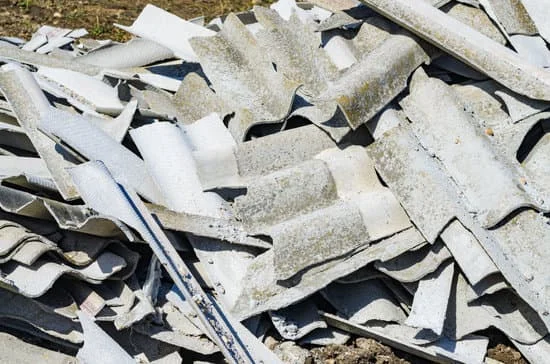
Quick answer: After asbestos-containing materials are removed from a commercial property in Delta, the work is not finished. The resulting waste needs to be handled separately, contained appropriately, transported through the proper channels, and directed to an authorized disposal facility. For contractors and property managers, understanding what happens after abatement helps prevent asbestos waste from becoming an afterthought at the end of a renovation or demolition project.
Commercial asbestos work has two very different stages.
The first is removing the asbestos-containing material safely.
The second is making sure the material that was removed does not create another problem.
That second stage is where waste planning becomes important.
Abatement Is Only the Beginning
During a commercial renovation, demolition, or building upgrade, asbestos-containing materials may be discovered in areas such as insulation, flooring, ceiling materials, pipe-related materials, or other components of an older building.
Once those materials are identified and removed through appropriate procedures, they become a separate waste stream.
They cannot simply be treated like ordinary construction debris.
This distinction matters because a commercial project may generate many types of waste at once. Concrete, wood, drywall, metal, packaging, and general debris can often follow different recycling or disposal routes. Asbestos-containing waste requires its own handling process.
What Happens to Asbestos Waste After Removal?
Once asbestos-containing material has been removed, the waste is prepared for controlled handling rather than being mixed with the rest of the demolition debris.
The exact procedures depend on the material, site conditions, and applicable requirements, but the overall process involves several important steps.
1. The Waste Is Kept Separate
Asbestos waste should remain separated from ordinary construction and demolition materials.
This prevents potentially contaminated material from entering recycling streams or being handled as regular debris.
2. Materials Are Properly Contained
Removed asbestos-containing materials need appropriate containment before transportation.
The objective is to prevent fibres or contaminated debris from becoming airborne or spreading beyond the controlled work area.
3. The Waste Leaves the Jobsite Through the Proper Process
Once the material is ready for removal, transportation needs to be handled according to the requirements applicable to asbestos-containing waste.
This is an important point for contractors: getting the material off the jobsite is not the same as completing the disposal process.
4. The Waste Is Taken to an Appropriate Disposal Facility
Asbestos waste needs to reach a facility permitted to receive that type of material.
This final destination is what separates responsible disposal from simply moving waste from one location to another.
Why Delta Commercial Projects Need a Waste Plan
A commercial renovation can involve multiple contractors, trades, deliveries, inspections, and waste streams.
If asbestos waste is considered only after the abatement work is finished, it can create unnecessary scheduling problems.
For example, a contractor may have a demolition schedule ready but no suitable arrangement for the asbestos-containing waste generated during the project.
That can mean:
- Waste remaining on-site longer than expected
- Delays in clearing work areas
- Confusion between general construction debris and asbestos waste
- Additional coordination between contractors and waste providers
- Increased risk of improper handling
Planning the waste stage before removal begins makes the project easier to coordinate.
How Asbestos Waste Differs From Other Commercial Waste
A commercial property can generate a surprising variety of materials during renovation or demolition.
Some may be recyclable. Others may require specialized disposal.
This is why Commercial Waste Disposal Delta should not be treated as one single waste stream when a project includes asbestos.
General commercial waste may include cardboard, wood, metal, packaging, furniture, fixtures, or other non-hazardous materials.
Asbestos-containing materials need to remain separate because their handling requirements are different.
The goal is not simply to remove everything from the property. The goal is to make sure each material reaches the correct destination.
What Contractors Should Confirm Before the Job Starts
A good waste plan should be discussed before asbestos removal begins.
Contractors and property managers should understand:
- What asbestos-containing materials are expected to be removed
- Approximately how much waste may be generated
- How the waste will be contained
- Where it will be temporarily staged, if necessary
- How transportation will be coordinated
- Where the waste will ultimately be disposed of
- Who is responsible for each part of the process
These questions may seem administrative, but they can have a direct effect on the project schedule.
What About Asbestos Waste From a Smaller Commercial Cleanup?
Not every asbestos-related job involves a large demolition project.
A commercial property may generate asbestos waste during a smaller renovation, maintenance project, flooring replacement, tenant improvement, or targeted removal.
The quantity may be smaller, but the waste should not automatically be treated as ordinary construction debris.
A smaller project still benefits from having the waste identified and separated before the cleanup begins.
Why the Final Disposal Stage Matters
There is a tendency to think of asbestos removal as the main event and disposal as the final administrative step.
In reality, both stages are connected.
If asbestos-containing materials are removed correctly but then handled incorrectly afterward, the overall waste-management process is compromised.
Responsible Asbestos Waste Disposal Delta therefore means thinking beyond the removal itself.
The material needs to stay controlled from the moment it is removed until it reaches its appropriate disposal destination.
A Better Way to Plan Commercial Renovation Waste
For Delta contractors, property managers, and commercial building owners, asbestos waste should be included in the project plan from the beginning.
Identify the material, understand the expected waste volume, coordinate its containment and transportation, and keep it separate from other construction debris.
That approach helps prevent the common situation where a renovation is nearly finished but the team is still figuring out what to do with the asbestos waste left behind.
Asbestos abatement does not end when the material comes off the building.
The removed material still needs to be contained, separated, transported, and taken to an appropriate disposal facility. When contractors plan that process before work begins, they can reduce confusion and keep the waste stage aligned with the rest of the commercial project.
Canadian Empire Recycling & Disposal helps businesses and contractors manage asbestos and other commercial waste streams in Delta. Contact Canadian Empire Recycling & Disposal team to discuss your project and arrange the appropriate waste-handling solution.