
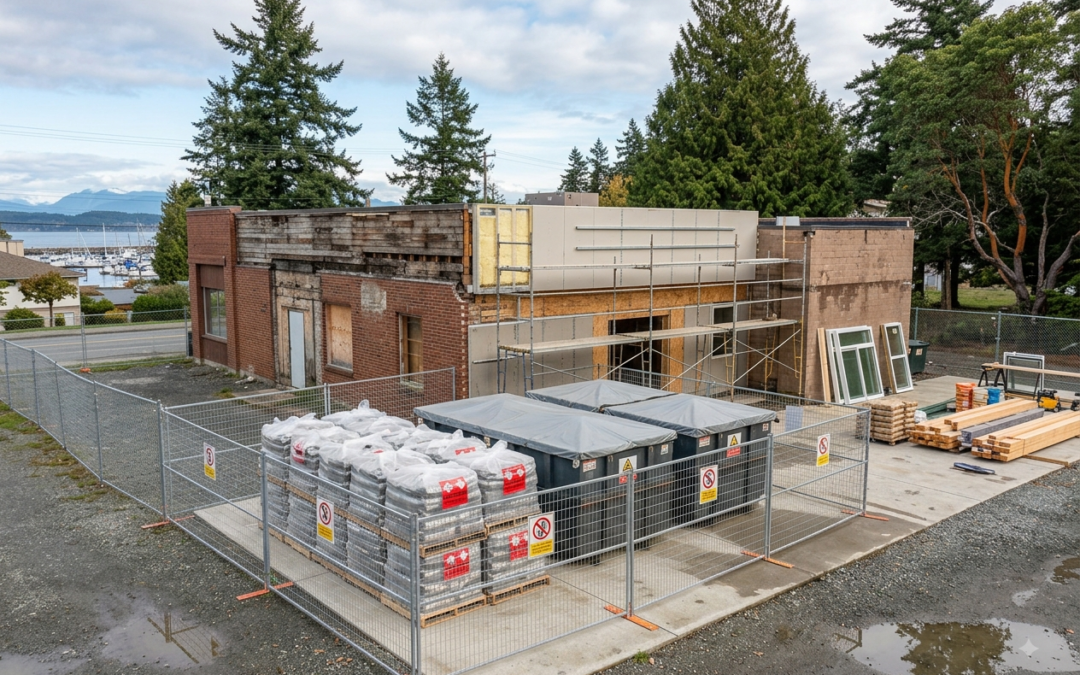
When asbestos-containing materials are discovered during a commercial renovation, demolition, or cleanup project, the question often goes beyond simply removing them from the building. What happens to contaminated materials after they are removed?
For businesses in Delta, asbestos waste requires careful handling from the moment it is identified through containment, transportation, and final disposal. It should not be treated like ordinary construction debris or placed into general commercial waste streams.
Understanding what happens after removal can help commercial property owners, contractors, and facility managers build a more organized waste-management process and avoid unnecessary handling problems.
What Happens When Asbestos-Containing Materials Are Identified?
The first step is recognizing that a material may require specialized handling. Asbestos can be present in various older building products, including insulation, flooring, roofing materials, cement products, and other construction components.
Because asbestos cannot reliably be identified simply by appearance, suspected materials should be assessed appropriately before they are disturbed.
Once asbestos-containing materials have been confirmed or are being managed as asbestos waste, the project needs a suitable removal and containment process.
The objective is to prevent asbestos fibres from becoming airborne and to keep contaminated materials separated from ordinary construction debris.
Why Asbestos Waste Cannot Go Into Regular Commercial Waste
Asbestos-containing materials are fundamentally different from ordinary renovation debris.
A commercial demolition project may produce wood, metal, drywall, packaging, fixtures, and other materials that can be directed into different recycling or disposal streams. Asbestos waste requires a separate approach.
Mixing asbestos-containing materials with general construction waste can create additional handling concerns and potentially expose workers or other people to unnecessary risks.
This is why Commercial Waste planning should account for specialized waste streams before a project begins.
Instead of treating the entire jobsite as one waste category, project managers should identify materials that require separate handling and make appropriate arrangements for their collection.
How Contaminated Materials Are Prepared for Removal
Asbestos waste needs to be managed in a way that minimizes the possibility of fibre release.
Depending on the material and project circumstances, appropriate procedures can include controlled removal, suitable containment, secure packaging, and clear identification.
The exact requirements depend on the material, condition, work being performed, and applicable regulations.
For commercial property owners, the important point is that asbestos waste should not simply be placed into an open construction bin.
The waste needs to remain controlled from the work area through transportation and disposal.
What Happens During Transportation?
Once asbestos-containing materials have been properly prepared for removal, transportation becomes another important stage of the process.
The material should remain securely contained throughout transportation. It should not be handled in the same casual manner as ordinary commercial garbage or mixed construction debris.
Planning transportation can help ensure that the waste does not remain unnecessarily long on the commercial property.
For renovation projects, this is particularly important because space is often limited. Keeping removed hazardous materials on-site longer than necessary can interfere with other construction activities and create additional storage challenges.
Asbestos Waste Disposal Delta: Where Does It Ultimately Go?
Asbestos Waste Disposal Delta involves directing asbestos-containing materials through appropriate disposal channels rather than placing them in regular garbage or recycling streams.
After collection and transportation, the material is managed according to applicable requirements for asbestos waste. The final destination and disposal process depend on the type of material and the requirements governing its handling.
This is why businesses should not assume that asbestos waste can be taken to the same location used for ordinary construction debris.
A professional waste-management process helps ensure that contaminated materials remain identified and controlled throughout the disposal chain.
What About Contaminated Tools, Clothing, or Other Materials?
A commercial asbestos project may generate more than obvious pieces of building material.
Depending on the work being performed, other items may become contaminated and require appropriate handling. These can potentially include disposable protective materials, certain equipment, packaging, or cleanup materials.
Whether an item needs to be managed as asbestos waste depends on the circumstances and applicable requirements.
Project teams should avoid making assumptions about contaminated materials. If there is uncertainty, the appropriate course is to seek professional guidance before moving or disposing of the material.
Why Waste Separation Matters on Commercial Jobsites
Commercial renovation projects can generate large quantities of waste within a short period.
Without clear separation, hazardous materials can become mixed with ordinary debris. This can complicate cleanup and potentially increase the amount of material requiring specialized handling.
A better approach is to establish separate waste streams from the beginning.
For example, a project may have designated streams for:
- General construction debris
- Recyclable metals
- Wood
- Cardboard and packaging
- Potentially hazardous materials
- Asbestos-containing materials
The exact waste categories will vary depending on the project.
The main objective is to make sure asbestos-containing materials do not become mixed with unrelated waste.
When Should Delta Businesses Plan Asbestos Waste Removal?
Ideally, asbestos waste planning should happen before demolition or renovation begins.
Waiting until materials have already been removed can make the process more complicated. Contractors may already be working, storage areas may be filling up, and the project schedule may have little flexibility for unexpected waste-management arrangements.
Before starting work, commercial property owners and project managers should consider:
- Whether the building contains materials that may require specialized assessment.
- How potentially asbestos-containing materials will be handled.
- Where separated waste will be temporarily managed.
- How collection will be coordinated with the project schedule.
- What documentation needs to be maintained.
- Which waste streams can be recycled separately from hazardous materials.
Early coordination can make the transition from demolition to waste removal much more predictable.
How Proper Disposal Supports Commercial Renovation Projects
Professional asbestos waste management is not only about removing material from a building. It is also about keeping the entire project organized.
When hazardous materials are properly separated and removed, contractors can continue working with less confusion around waste storage.
It can also make it easier for project managers to coordinate different waste streams and keep the worksite organized as demolition progresses.
For larger commercial properties, this becomes even more important because several contractors and trades may be working simultaneously.
Common Mistakes Delta Businesses Should Avoid
Several avoidable mistakes can complicate asbestos waste management.
Treating Asbestos Like Regular Construction Debris
Asbestos-containing materials should not automatically be placed in standard demolition bins.
Disturbing Suspected Materials Without Proper Assessment
Breaking, cutting, drilling, or moving a suspected asbestos-containing material can create unnecessary exposure concerns.
Mixing Waste Streams
Combining asbestos waste with general debris can complicate subsequent handling.
Waiting Until Waste Accumulates
Leaving asbestos-containing materials sitting on-site without an organized removal plan can create storage and project-management problems.
Assuming Every Contaminated Material Has the Same Requirements
Different materials and circumstances can require different handling procedures. Professional advice is preferable when there is uncertainty.
Building a Better Waste Plan for Delta Commercial Properties
A strong commercial waste plan should account for hazardous materials before the first major demolition activity begins.
Property owners can work with their project teams to identify potential asbestos concerns, establish appropriate procedures, separate waste streams, and coordinate collection.
This approach also makes Commercial Waste Recycling Delta more efficient because recyclable and general construction materials can be managed separately instead of being mixed together with materials requiring specialized disposal.
The result is a cleaner and more controlled waste-management process throughout the renovation or demolition project.
So, what happens to contaminated materials after asbestos is removed? They should remain properly contained, separated from ordinary commercial waste, transported through appropriate channels, and directed to suitable disposal facilities according to applicable requirements.
For Delta businesses, planning this process before demolition or renovation can help reduce confusion, unnecessary storage, and avoidable project disruption.
If your commercial property has asbestos-containing materials or other specialized waste requiring professional handling, Canadian Empire Recycling & Disposal can help you determine the appropriate next steps. Contact Canadian Empire Recycling & Disposal to discuss your project and arrange commercial waste services in Delta.