
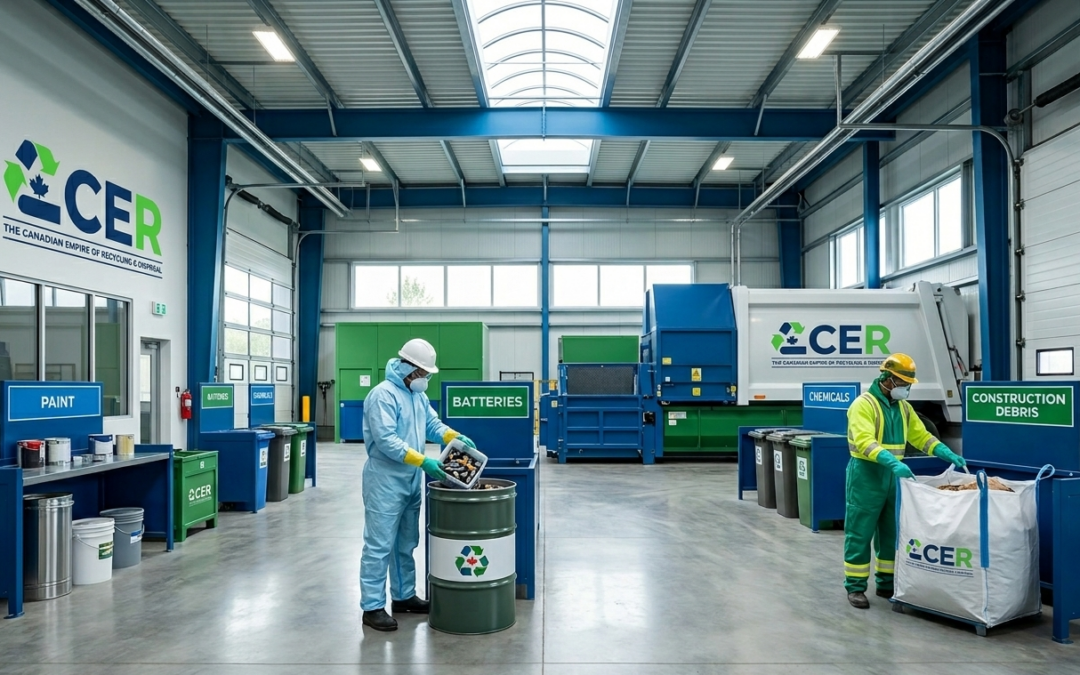
Managing dangerous materials the right way is important for both public safety and environmental protection. Many homeowners, contractors, and businesses are unsure about which materials can be safely handled through a professional Hazardous Waste Drop Off Delta service. Throwing hazardous items into regular garbage bins can lead to soil contamination, water pollution, and health risks. That’s why proper disposal matters.
Whether you are cleaning a garage, renovating a property, or handling commercial waste, understanding accepted hazardous materials helps you avoid fines and environmental damage. Professional recycling facilities make the process safer, easier, and fully compliant with local disposal regulations.
Why Proper Hazardous Waste Disposal Matters
Hazardous materials often contain chemicals, toxins, or flammable substances that require special handling. Improper disposal can create serious environmental hazards and even harm sanitation workers. Using a trusted Hazardous Waste Disposal Delta service ensures waste is processed safely and responsibly.
Many construction sites, industrial facilities, and residential properties regularly generate materials that cannot go into standard dumpsters. Choosing an approved disposal provider helps reduce landfill waste while supporting eco-friendly recycling efforts.
Common Items Accepted at Hazardous Waste Drop Off Delta Facilities
Professional hazardous waste facilities can accept a wide range of materials. Here are some of the most common items handled through Commercial Waste Disposal Delta and hazardous waste programs.
Paints and Solvents
Old paint cans, stains, varnishes, paint thinners, and industrial solvents are among the most frequently dropped off hazardous materials. These products contain chemicals that can pollute groundwater if disposed of improperly.
Both oil-based and chemical-heavy coatings should always be handled by licensed recycling and disposal professionals.
Automotive Fluids
Vehicle maintenance products often qualify as hazardous waste. Accepted items typically include:
- Motor oil
- Transmission fluid
- Brake fluid
- Antifreeze
- Fuel containers
These liquids are highly toxic and should never be poured down drains or placed in household garbage bins.
Batteries and Electronics
Batteries contain harmful metals and chemicals that require specialized recycling. Most Hazardous Waste Drop Off Delta services accept:
- Car batteries
- Rechargeable batteries
- Lithium-ion batteries
- UPS backup batteries
Electronic waste may also be accepted depending on the facility. Many electronics contain hazardous components that should be recycled separately.
Cleaning Chemicals
Residential and industrial cleaning products often contain dangerous substances. Commonly accepted items include:
- Bleach
- Ammonia products
- Industrial cleaners
- Pool chemicals
- Disinfectants
These materials should be stored carefully before transport to avoid spills or leaks.
Pesticides and Garden Chemicals
Lawn and garden products are another major category of hazardous waste. Items may include:
- Weed killers
- Fertilizers
- Insecticides
- Fungicides
- Herbicides
These chemicals can seriously damage ecosystems if dumped improperly.
Construction and Renovation Hazardous Materials
Construction projects often produce materials requiring special disposal procedures. Many contractors rely on Construction Waste Disposal Delta providers for safe removal.
Asbestos Materials
Older buildings may contain asbestos in insulation, flooring, roofing, or drywall compounds. Asbestos requires strict containment and disposal procedures to protect workers and residents from airborne exposure.
Professional Asbestos Waste Disposal Delta services ensure these dangerous materials are handled according to environmental regulations.
Adhesives and Sealants
Construction adhesives, caulking products, and industrial sealants often contain chemicals unsuitable for regular disposal systems. Contractors should separate these materials during cleanup.
Fibreglass and Insulation Waste
Fibreglass insulation and contaminated renovation debris may also require specialized disposal methods depending on local environmental guidelines.
Household Hazardous Waste You Should Never Throw Away
Many homeowners unknowingly place dangerous materials into regular trash bins. Items that should always go to a proper Hazardous Waste Drop Off Delta location include:
- Propane tanks
- Aerosol cans
- Mercury thermometers
- Fluorescent light bulbs
- Nail polish remover
- Fire extinguishers
- Chemical fertilizers
Keeping these materials out of landfills helps protect the environment and local communities.
Tips Before Visiting a Hazardous Waste Drop-Off Facility
Before transporting hazardous materials, follow these safety steps:
- Keep products in original containers whenever possible
- Seal leaking containers properly
- Never mix chemicals
- Label unknown substances carefully
- Transport items upright in a secure container
These precautions help reduce accidents during transport and unloading.
Choosing the Right Hazardous Waste Disposal Partner
Not all disposal facilities handle the same materials. Working with an experienced recycling company ensures waste is processed safely, legally, and efficiently.
A trusted provider can help homeowners, businesses, and contractors manage everything from hazardous chemicals to large-scale renovation debris. Professional disposal services also support sustainability by recycling recoverable materials whenever possible.
Safe and Responsible Disposal Solutions in Delta
If you need dependable hazardous waste disposal services, Canadian Empire Recycling & Disposal offers safe and eco-friendly solutions for homes, businesses, renovation sites, and industrial properties. Their experienced team helps handle chemicals, paint, batteries, asbestos materials, construction debris, and other regulated waste with proper care and environmental responsibility.
For reliable waste removal and recycling support, contact Canadian Empire Recycling & Disposal today and get professional assistance for your cleanup and disposal needs.