
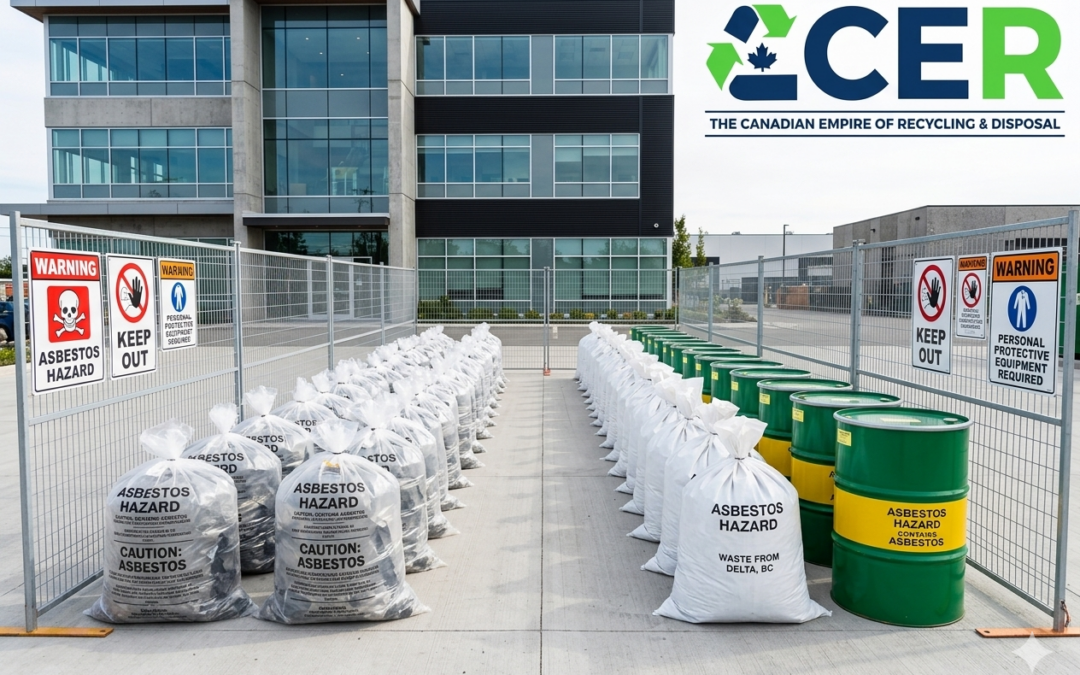
Asbestos was once a common material used in commercial buildings due to its durability, fire resistance, and insulating properties. However, it is now recognized as a hazardous material that can pose serious health risks when disturbed. Many older offices, warehouses, retail buildings, and industrial facilities in Delta still contain asbestos in insulation, flooring, ceiling tiles, roofing materials, and pipe coverings.
When renovation, demolition, or maintenance work takes place, asbestos-containing materials can release microscopic fibers into the air. These fibers can be inhaled and may lead to serious respiratory illnesses over time. For this reason, proper asbestos handling and disposal are essential for businesses and property owners. Understanding safe and compliant disposal practices can help protect workers, occupants, and the environment while ensuring compliance with local regulations.
Understanding Commercial Asbestos Waste
Commercial asbestos waste includes any material from a business, industrial, institutional, or commercial property that contains asbestos. Common examples include:
- Insulation materials
- Ceiling and floor tiles
- Roofing products
- Pipe insulation and wrapping
- Cement sheets
- Textured coatings and adhesives
- Fireproofing materials
These materials may remain safe when intact, but become hazardous when damaged, cut, drilled, or removed during renovation and demolition activities.
Why Proper Disposal Matters
Improper handling of asbestos waste can create significant health and environmental risks. Airborne asbestos fibers are invisible to the naked eye and can remain suspended in the air for long periods. Exposure may increase the risk of serious diseases such as asbestosis, lung cancer, and mesothelioma.
For commercial property owners, improper disposal can also result in:
- Regulatory penalties and fines
- Project delays
- Increased liability risks
- Environmental contamination
- Health and safety concerns for workers and occupants
Following proper disposal procedures helps businesses avoid these issues while maintaining a safe workplace.
Identifying Asbestos Before Renovation
Before beginning any renovation or demolition project in an older commercial building, it is important to determine whether asbestos-containing materials are present. Professional testing and inspections can identify materials that may require special handling.
Property owners should never assume that building materials are asbestos-free simply because they appear undamaged. A qualified assessment helps ensure compliance with workplace safety regulations and prevents accidental exposure.
Safe Handling Procedures
Commercial asbestos waste must be handled carefully from the moment it is identified. Best practices include:
1. Restricting Access
Areas containing asbestos should be isolated to prevent unauthorized access. Proper warning signs and barriers help reduce the risk of accidental exposure.
2. Using Protective Equipment
Workers handling asbestos materials should wear approved personal protective equipment (PPE), including respirators, disposable coveralls, gloves, and eye protection.
3. Minimizing Fiber Release
Materials should be kept damp whenever possible to reduce airborne dust. Dry sweeping, sanding, and other activities that may release fibers should be avoided.
4. Proper Packaging
Asbestos waste should be sealed in approved leak-proof containers or heavy-duty plastic bags designed for hazardous materials. Packages must be properly labeled before transportation.
Choosing Professional Disposal Services
Commercial asbestos waste management requires specialized expertise, equipment, and regulatory knowledge. Working with experienced waste disposal professionals offers several advantages:
- Compliance with environmental regulations
- Safe collection and transportation
- Proper packaging and labeling
- Reduced risk of contamination
- Documentation and disposal records
- Peace of mind for property owners
Professional disposal providers understand the requirements for handling hazardous materials and can help businesses navigate complex disposal processes.
Asbestos Waste Disposal Delta Requirements
Businesses seeking asbestos waste disposal Delta should ensure that asbestos materials are transported and disposed of only through authorized channels. Hazardous waste facilities follow strict procedures to manage asbestos safely and prevent environmental contamination.
Proper disposal includes secure packaging, regulated transportation, and acceptance at approved facilities designed to handle hazardous materials. These steps help ensure that asbestos waste does not pose a threat to workers, residents, or surrounding ecosystems.
Commercial Renovation and Demolition Projects
Commercial renovation and demolition projects often generate large volumes of potentially hazardous materials. Asbestos-containing products may be hidden behind walls, ceilings, mechanical systems, or flooring materials.
Before construction activities begin, businesses should:
- Conduct asbestos surveys
- Develop removal plans when required
- Follow workplace safety protocols
- Coordinate disposal logistics
- Maintain compliance documentation
Planning helps prevent costly interruptions and supports a safer work environment throughout the project.
The Importance of Commercial Waste Management
Effective waste management extends beyond asbestos handling. Businesses generate a variety of waste streams that require responsible disposal and recycling solutions. Utilizing reliable Commercial Waste Disposal Delta services can help organizations reduce environmental impact while maintaining regulatory compliance.
A comprehensive waste management strategy may include:
- Construction waste recycling
- Metal recycling
- Cardboard and paper recycling
- Electronic waste management
- Hazardous material disposal
- General commercial waste removal
Integrating these services supports sustainability goals and promotes cleaner business operations.
Environmental Benefits of Proper Disposal
Responsible asbestos disposal provides several environmental advantages:
- Prevents contamination of landfills and surrounding areas
- Reduces the risk of airborne fiber release
- Supports regulatory compliance
- Protects local ecosystems
- Promotes safer communities
Businesses that prioritize environmentally responsible disposal practices demonstrate a commitment to workplace safety and environmental stewardship.
Tips for Business Owners
If your commercial property may contain asbestos, consider the following recommendations:
- Schedule professional asbestos testing before renovations.
- Avoid disturbing suspicious materials.
- Work with qualified asbestos handling professionals.
- Ensure waste is packaged and transported correctly.
- Maintain records of inspections, removal, and disposal activities.
- Follow all applicable workplace and environmental regulations.
These steps can help minimize risks while ensuring safe project completion.
Commercial asbestos waste requires careful handling, transportation, and disposal to protect human health and the environment. Whether managing a renovation project, demolition work, or ongoing facility maintenance, businesses in Delta should prioritize safe and compliant asbestos waste management practices. By working with experienced professionals and following proper disposal procedures, property owners can reduce liability, maintain compliance, and create safer workplaces.
For reliable commercial waste solutions, contact Canadian Empire Recycling & Disposal. Their team provides professional waste management services, helping businesses handle construction debris, hazardous materials, recycling needs, and disposal requirements efficiently and responsibly throughout the Lower Mainland.