
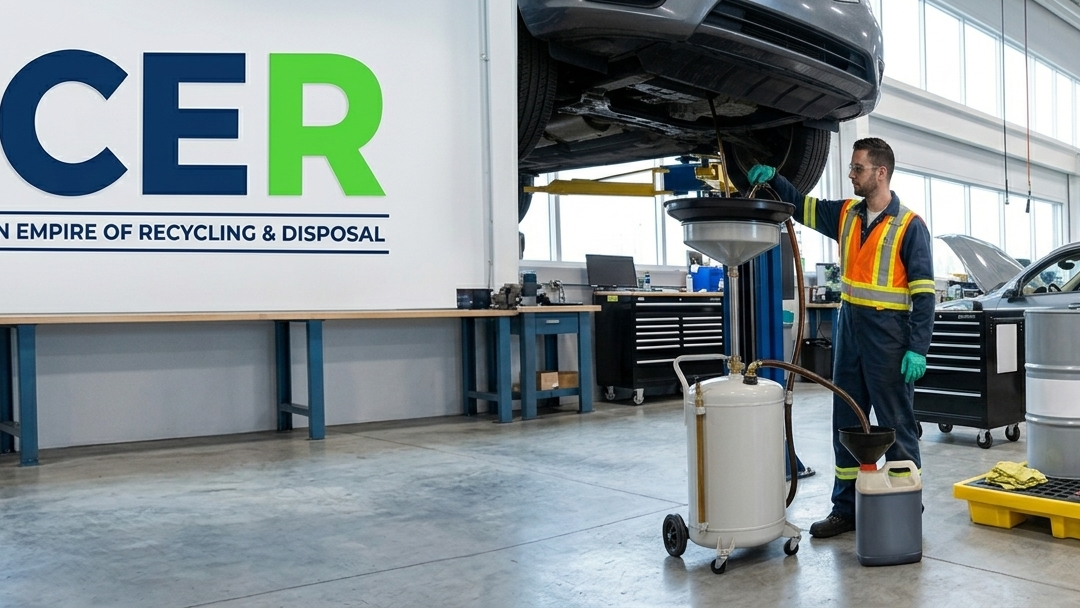
Waste oil is a common byproduct in both automotive and industrial operations. From engine oil changes in repair shops to heavy machinery lubrication in manufacturing plants, managing used oil safely is critical. Improper handling can lead to environmental contamination, legal penalties, and workplace hazards. That’s why understanding the best practices for waste oil collection is essential for every business dealing with hazardous materials.
In this blog, we’ll explore practical and effective waste oil collection tips specifically for automotive and industrial businesses, helping you stay compliant, safe, and environmentally responsible.
Why Waste Oil Collection Matters
Used oil is considered hazardous because it can contain harmful contaminants such as heavy metals, chemicals, and toxins. If not handled correctly, it can pollute soil, groundwater, and waterways.
Proper waste oil collection ensures:
- Protection of the environment
- Compliance with local and federal regulations
- Safer working conditions
- Reduced risk of fines and liabilities
Commercial Waste Disposal Delta not only meets legal requirements but also demonstrates environmental responsibility.
Understand the Types of Waste Oil
Before implementing a collection system, it’s important to know what types of waste oil your business generates. Common categories include:
- Engine oil from vehicles
- Hydraulic oil from machinery
- Transmission fluid
- Gear oil
- Compressor oil
Each type may require specific handling and storage procedures, so proper identification is key.
Use Proper Storage Containers
One of the most important aspects of waste oil collection is safe storage. Always use containers that are:
- Leak-proof and durable
- Clearly labeled as “Used Oil.”
- Made of compatible materials (such as steel or high-density polyethylene)
Avoid mixing waste oil with other hazardous substances like solvents or antifreeze, as this can complicate disposal and increase risks.
Label and Organize Storage Areas
Clear labeling helps prevent accidents and ensures compliance with safety regulations. Your storage area should be:
- Clearly marked and restricted
- Equipped with spill containment systems
- Organized to separate different types of waste
Keeping your facility well-organized reduces the chances of cross-contamination and makes collection more efficient.
Prevent Spills and Leaks
Spills are not only dangerous but also costly. To minimize the risk:
- Use drip pans when transferring oil
- Regularly inspect storage containers for damage
- Train staff on proper handling procedures
Having a spill response plan in place is also essential for quick action in case of emergencies.
Schedule Regular Waste Oil Collection
Letting waste oil accumulate can create safety hazards and storage issues. Establish a regular collection schedule based on your business needs.
Partnering with a professional service like Canadian Empire Recycling & Disposal ensures that your waste oil is picked up, transported, and disposed of safely and in compliance with regulations.
Train Your Employees
Your team plays a crucial role in maintaining safe waste oil practices. Provide regular training on:
- Proper handling and storage techniques
- Emergency spill response
- Use of personal protective equipment (PPE)
Well-trained employees reduce the risk of accidents and help maintain a safe work environment.
Follow Local Regulations
Waste oil disposal is regulated to protect public health and the environment. Businesses must:
- Comply with hazardous waste disposal Delta
- Maintain proper documentation and records
- Use licensed waste collection services
Failure to follow these regulations can result in heavy fines and legal consequences.
Consider Recycling Options
Used oil can often be recycled and re-refined into new products. Recycling not only reduces environmental impact but can also lower disposal costs.
Working with a certified junk removal company Delta ensures that your waste oil is processed responsibly and reused whenever possible.
Maintain Detailed Records
Keeping accurate records of your waste oil collection Delta activities is essential for compliance and audits. Track:
- Quantity of waste oil generated
- Collection dates
- Disposal methods
- Service provider details
These records can protect your business in case of inspections or regulatory reviews.
Benefits of Professional Waste Oil Collection Services
Hiring a professional service provider offers several advantages:
- Safe and compliant disposal
- Reduced risk of environmental damage
- Time and cost savings
- Expert handling of hazardous materials
Professional companies use specialized equipment and follow strict guidelines to ensure proper waste management.
Effective waste oil collection is not just a regulatory requirement—it’s a responsibility. Automotive and industrial businesses must take proactive steps to handle used oil safely, protect the environment, and maintain compliance.
By implementing proper storage, training employees, preventing spills, and scheduling regular pickups, you can significantly reduce risks and improve operational efficiency.
For reliable and compliant waste oil collection services, contact Canadian Empire Recycling & Disposal. Their experienced team provides safe, efficient, and environmentally responsible solutions tailored to your business needs.