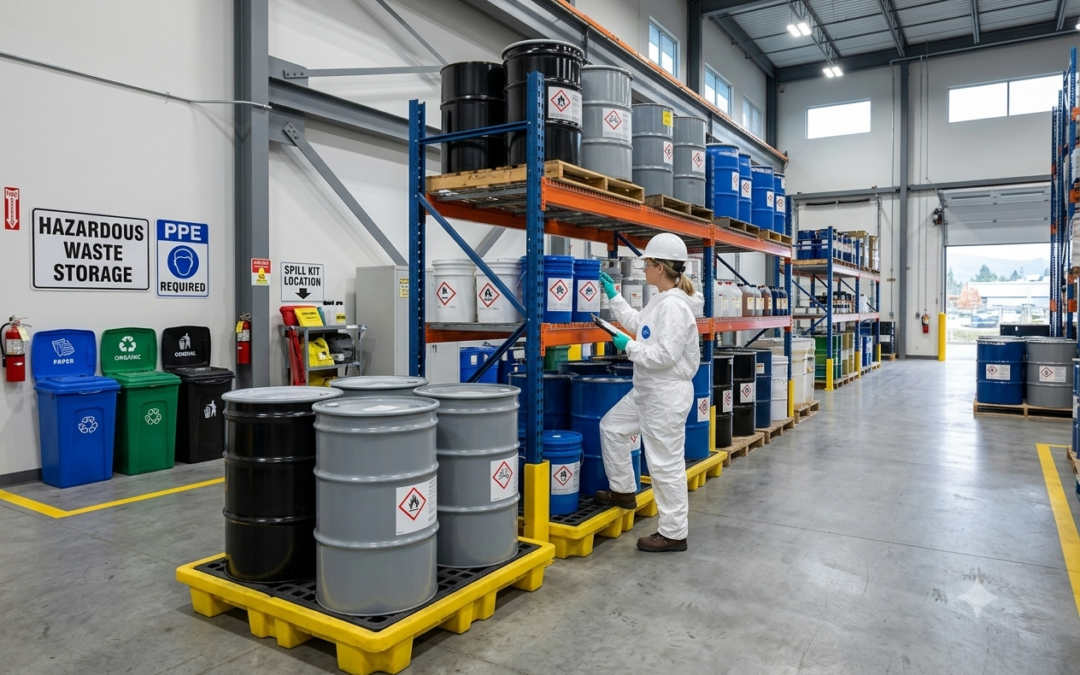
Managing hazardous waste is an essential responsibility for businesses across Burnaby. Whether you operate a manufacturing facility, automotive shop, warehouse, laboratory, healthcare clinic, or commercial property, improper handling of hazardous materials can lead to workplace safety risks, environmental damage, and costly penalties. Many violations occur not because businesses intentionally ignore regulations, but because they overlook proper storage, labeling, documentation, or disposal procedures.
By understanding the most common hazardous waste violations, businesses can build safer workplaces, reduce environmental risks, and improve their overall waste management practices. Working with a trusted provider for Hazardous Waste Disposal Burnaby also helps organizations handle hazardous materials responsibly while supporting long-term sustainability goals.
Why Hazardous Waste Compliance Matters
Hazardous waste contains substances that may be flammable, corrosive, toxic, or reactive. If these materials are not managed correctly, they can threaten employees, customers, nearby communities, and the environment.
Proper waste management also protects businesses by:
- Reducing workplace accidents
- Preventing environmental contamination
- Improving operational efficiency
- Supporting sustainability initiatives
- Minimizing costly cleanup projects
A proactive approach helps businesses avoid common mistakes before they become larger problems.
1. Improper Chemical Storage
One of the most common violations involves storing hazardous chemicals incorrectly.
Common storage mistakes include:
- Keeping incompatible chemicals together
- Storing containers near heat sources
- Using damaged or leaking containers
- Blocking emergency access routes
- Overcrowding storage shelves
Proper storage reduces the chance of spills, fires, and chemical reactions.
2. Missing or Incorrect Labels
Every hazardous waste container should be clearly identified.
Common labeling problems include:
- Missing labels
- Faded labels
- Incorrect chemical names
- Unmarked waste containers
- Illegible warning information
Without accurate labels, employees may unknowingly mishandle hazardous materials, increasing workplace risks.
3. Keeping Hazardous Waste Too Long
Many businesses continue storing unwanted chemicals because they assume they may be useful later.
Examples include:
- Expired cleaning products
- Old paint supplies
- Laboratory chemicals
- Industrial solvents
- Automotive fluids
Regular inspections help identify materials that should be removed before they become safety concerns.
4. Mixing Different Hazardous Wastes
Combining different waste streams is another common violation.
For example:
- Acids mixed with bases
- Solvents mixed with oils
- Unknown chemicals poured into shared containers
Mixing hazardous materials can create dangerous chemical reactions and complicate safe disposal.
5. Poor Employee Training
Employees who work around hazardous materials should understand:
- Safe handling procedures
- Spill response
- Storage requirements
- Personal protective equipment (PPE)
- Emergency reporting procedures
Routine training helps reduce human error and improves workplace safety.
6. Improper Disposal Methods
Some businesses mistakenly dispose of hazardous materials through regular garbage or drains.
Examples include:
- Paints
- Solvents
- Oils
- Industrial cleaners
- Chemical residues
Professional Hazardous Waste Disposal Burnaby services ensure these materials are collected and managed responsibly rather than creating unnecessary environmental risks.
7. Ignoring Regular Waste Inspections
Hazardous waste management should not be treated as a one-time task.
Routine inspections help businesses identify:
- Leaking containers
- Expired chemicals
- Damaged storage cabinets
- Missing labels
- Unsafe storage conditions
Regular audits reduce the likelihood of hidden problems developing over time.
8. Poor Waste Segregation
Keeping hazardous waste separate from recyclable and general commercial waste improves safety and efficiency.
A well-organized waste management system makes collection easier while supporting Commercial Waste Recycling Burnaby programs for materials that can be recovered instead of discarded.
9. Inadequate Spill Preparedness
Even well-managed facilities should prepare for unexpected spills.
Businesses should maintain:
- Spill response kits
- Protective equipment
- Emergency contact procedures
- Clearly marked containment areas
Being prepared minimizes disruption if an incident occurs.
10. Lack of Waste Documentation
Keeping organized waste records benefits every commercial facility.
Documentation may include:
- Waste inventories
- Collection schedules
- Inspection reports
- Employee training records
- Disposal documentation
Maintaining accurate records helps businesses monitor waste generation and improve internal processes.
How Businesses Can Prevent Hazardous Waste Violations
Preventing violations begins with a structured waste management plan.
Businesses should:
- Conduct regular facility inspections.
- Clearly label all hazardous materials.
- Separate incompatible chemicals.
- Train employees on safe handling procedures.
- Schedule routine hazardous waste collection.
- Review storage areas frequently.
- Work with experienced waste management professionals.
Small improvements made consistently can significantly reduce workplace risks.
Building a Safer Commercial Waste Strategy
Effective hazardous waste management goes beyond simply removing unwanted materials. Businesses should regularly review their operations to identify opportunities to reduce waste generation, improve storage practices, and increase recycling wherever possible. Integrating Commercial Waste Recycling Burnaby initiatives alongside responsible hazardous waste management helps create a safer, more sustainable workplace while supporting long-term environmental responsibility.
Protect Your Business with Canadian Empire Recycling & Disposal
Managing hazardous waste doesn’t have to be complicated. Contact Canadian Empire Recycling & Disposal for reliable waste management solutions for businesses throughout Burnaby, helping organizations safely identify, collect, and manage hazardous materials. With professional service and environmentally responsible practices, their team helps businesses maintain safer workplaces while supporting efficient commercial waste management.